Why Treviso is Called ‘Little Venice’ (And Why It’s Actually Better)
Why Treviso is Called ‘Little Venice’ (And Why It’s Actually Better)
When travelers think of Italian water cities, Venice instantly comes to mind. But just 30 kilometers north lies a hidden gem that locals affectionately call “Little Venice” – Treviso. This charming medieval city in the Veneto region offers everything Venice has – romantic canals, historic architecture, and authentic Italian culture – but without the overwhelming crowds and tourist traps. In this comprehensive guide, we’ll explore why Treviso deserves its nickname, and more importantly, why many visitors actually prefer it to its famous neighbor.
Understanding Treviso: Italy’s Best-Kept Secret
Treviso is a stunning walled city located in the Veneto region of Northern Italy, approximately 30 kilometers (18 miles) north of Venice. With a population of around 85,000 residents, this provincial capital offers visitors an authentic Italian experience that has largely disappeared from its more famous neighbor. The city sits at the confluence of the Sile and Botteniga rivers, creating a network of waterways that flow through the historic center and give Treviso its distinctive character.
Unlike Venice, where tourism dominates every aspect of daily life, Treviso remains a living, breathing Italian city where locals outnumber tourists by a significant margin. This means you’ll experience genuine Italian culture – from the morning ritual at the fish market to the evening passeggiata along the Sile River. The city’s economy isn’t solely dependent on tourism; it’s also home to major fashion brands like Benetton and Geox, giving it a contemporary vibrancy that complements its medieval charm.
Treviso is also internationally recognized as the birthplace of tiramisu, Italy’s most beloved dessert. Food enthusiasts from around the world make pilgrimages to taste this iconic dessert where it was invented, making Treviso a must-visit destination for culinary travelers. The city’s gastronomic heritage extends far beyond tiramisu, encompassing the famous Prosecco wine region, Treviso radicchio, and countless traditional osterie serving authentic Venetian cuisine.
The Water Connection: Why Treviso is Called ‘Little Venice’
A Network of Historic Canals
The primary reason Treviso earned its nickname is its extensive network of canals that wind through the historic center. The Botteniga River splits into multiple branches, creating waterways that flow beneath ancient buildings, alongside cobblestone streets, and through hidden corners of the medieval city. These canals date back to the Roman era when they were used for defensive purposes and to power mills for the wool and silk industries.
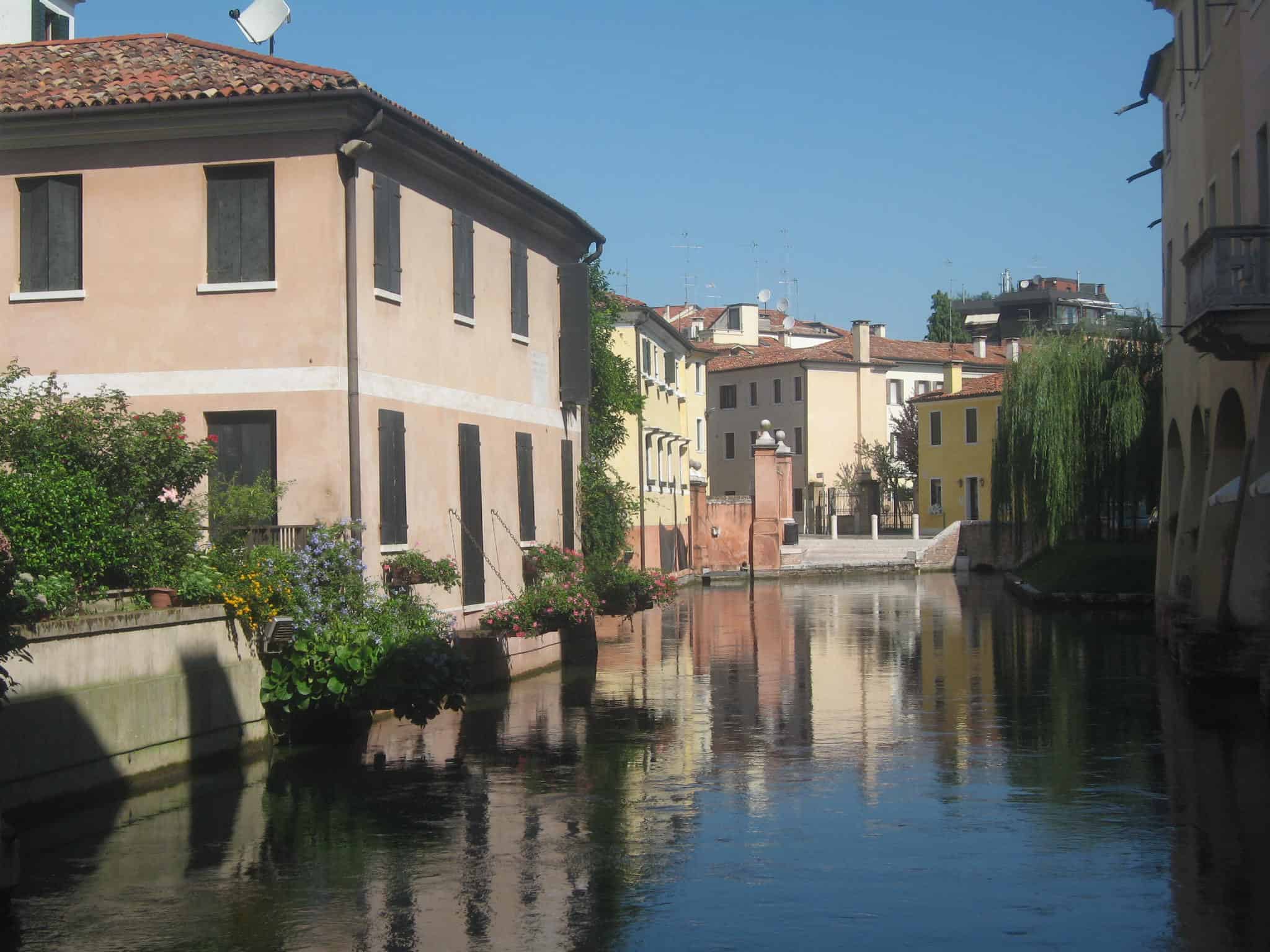
Walking through Treviso’s historic center, you’ll discover canal views at every turn. The Buranelli area is particularly enchanting, where colorful buildings line the waterway, their reflections dancing on the surface just like the famous scenes in Venice. What makes Treviso special is that you can walk right up to these canals without navigating through crowds of tourists, allowing you to pause, photograph, and truly appreciate the beauty without feeling rushed.
The canals served practical purposes throughout Treviso’s history. Medieval craftsmen used them to transport goods, power water mills, and dispose of waste. The city’s prosperity during the Middle Ages was partially due to its strategic position along these waterways, which connected Treviso to the Adriatic Sea via the Sile River. Today, these same canals provide a romantic backdrop for evening strolls and al fresco dining.
Venetian Architecture and Influence
Treviso’s architecture strongly reflects Venetian influence, particularly from the period when it was under Venetian Republic rule (1339-1797). This nearly five-century connection left an indelible mark on the city’s appearance. You’ll find buildings with distinctive Venetian Gothic features: pointed arches, decorative stonework, and external frescoes that were typical of Venetian palazzos.
The painted houses of Treviso are perhaps its most photographed feature. These buildings, adorned with centuries-old frescoes, line the canals and main streets, creating a visual feast that rivals anything in Venice. Many of these frescoes date from the 15th and 16th centuries, depicting religious scenes, mythological figures, and decorative patterns that have remarkably survived the ravages of time.
The Loggia dei Cavalieri, built in the 13th century, exemplifies Treviso’s Venetian-Romanesque-Byzantine architectural fusion. This open-air meeting hall features brick columns and arches where nobles and merchants once gathered to discuss politics and commerce. Similar structures can be found throughout Venice, but in Treviso, you can approach and examine them without battling tourist crowds.
The Romantic Atmosphere
Like Venice, Treviso possesses an undeniably romantic atmosphere that makes it perfect for couples and anyone seeking a peaceful escape. The combination of flowing water, medieval architecture, intimate piazzas, and excellent restaurants creates an ambiance that rivals any Italian destination. The difference is that in Treviso, this romance feels genuine rather than commercialized.
Evening walks along the Sile River are particularly magical. As the sun sets, the light reflects off the water, illuminating the ancient city walls and creating a golden glow that photographers dream about. Couples stroll hand-in-hand along the riverbank paths, stopping at wine bars for a spritz or at gelaterias for a sweet treat. The absence of mass tourism means these moments feel personal and intimate.
The bridges over Treviso’s canals offer perfect spots for those iconic Italian moments. Unlike Venice’s Rialto or Bridge of Sighs, which are perpetually congested with tourists, Treviso’s bridges remain peaceful spaces where you can actually pause and take in the view without being jostled or pressured to move along. The Ponte Dante is particularly beloved by locals and makes for stunning photographs any time of day.
Why Treviso is Actually Better Than Venice: The Compelling Advantages
Authenticity Over Tourism
The most significant advantage Treviso holds over Venice is authenticity. Venice receives approximately 30 million visitors annually, overwhelming its 50,000 permanent residents. This imbalance has transformed much of Venice into a theme park version of itself, with souvenir shops replacing local businesses and restaurants catering primarily to tourists rather than locals.
Treviso, by contrast, remains a functioning Italian city where tourism complements rather than dominates the local economy. When you walk through Treviso’s streets, you’ll see Italian families shopping at the morning market, office workers grabbing espresso at the bar, and elderly residents chatting on benches in the piazza. These scenes of everyday Italian life have become increasingly rare in Venice, where the historic center is essentially a tourist zone.
The restaurants in Treviso serve food to please locals first and tourists second, which means higher quality, better value, and more authentic Venetian cuisine. You’ll find traditional dishes like pasta e fagioli, baccalà mantecato, and risotto al radicchio prepared the way Italian grandmothers have made them for generations. Prices are significantly lower than Venice, and you won’t encounter cover charges or tourist menus with inflated prices.
No Crowds, Pure Enjoyment
Anyone who has visited Venice during peak season knows the frustration of overwhelming crowds. The narrow streets become human traffic jams, popular sites require long queues, and finding space to simply stand and appreciate the beauty becomes challenging. The experience can feel more like crowd management than cultural exploration.
Treviso offers the complete opposite experience. Even during summer months, you can walk through the historic center without feeling crowded. The Piazza dei Signori, Treviso’s main square, never feels congested. You can photograph the canals without photobombers in every shot. Museums and churches can be explored at your own pace without waiting in lines or being rushed through by crowds behind you.
This absence of crowds fundamentally changes the quality of your experience. You can actually have conversations with local shopkeepers, who have time to explain their products and share recommendations. Restaurant servers aren’t rushing to turn tables. You can linger over a glass of Prosecco in a canal-side café without feeling pressured. The slower, more relaxed pace allows you to truly absorb the atmosphere and connect with the place.
Exceptional Value for Money
The cost difference between Venice and Treviso is substantial and affects every aspect of your visit. Accommodation in Treviso costs 40-60% less than comparable hotels in Venice. A comfortable three-star hotel in Treviso’s historic center might cost €80-120 per night, while a similar room in Venice would easily run €200-300 or more during high season.
Restaurant prices follow the same pattern. A complete meal with appetizer, pasta course, main dish, and wine in a good Treviso osteria might cost €25-35 per person. The same quality meal in Venice would typically cost €50-70 or more. Even simple items like coffee show the difference: an espresso at the bar in Treviso costs €1-1.20, while tourist-area Venice cafés charge €3-5 for the same coffee.
Shopping in Treviso also provides better value. Local markets sell excellent produce, cheese, and wine at reasonable prices. Boutique shops offer quality Italian clothing and leather goods without the luxury brand markup you’ll find in Venice. And because Treviso isn’t dependent on tourism, shops maintain fair pricing year-round rather than inflating prices during peak season.
Easy Accessibility and Navigation
Getting around Treviso is remarkably simple compared to Venice. The entire historic center is walkable in about 20 minutes, yet it’s packed with interesting sights, restaurants, and shops. Streets follow logical patterns, and you can use Google Maps effectively, unlike Venice where the maze of calli (alleyways) can leave even GPS confused.
Treviso also offers modern conveniences that Venice cannot. Cars can access the periphery of the historic center, making it easy to arrive with luggage or to take day trips to surrounding areas. The train station is a 10-minute walk from the center. Treviso Airport (actually called Venice Treviso Airport) is just 5 kilometers away, offering easy access for international travelers and often cheaper flights than Venice Marco Polo Airport.
Cycling is popular in Treviso, with excellent bike paths along the rivers and through the city. You can rent a bicycle and explore the entire area comfortably, something impossible in Venice. The flat terrain and bike-friendly infrastructure make Treviso perfect for families with children or anyone who prefers cycling to walking.
Gateway to the Prosecco Region
Treviso’s location makes it the perfect base for exploring the Prosecco wine region, one of Italy’s most beautiful and renowned wine-producing areas. The Prosecco hills, now a UNESCO World Heritage site, are just 20-30 minutes from Treviso by car. The towns of Conegliano and Valdobbiadene, the heart of Prosecco Superiore production, are easily accessible for day trips.
Wine enthusiasts can visit family-run wineries, participate in tastings, and learn about Prosecco production from the people who actually make it. The landscape of rolling hills covered with vineyards is spectacular, particularly during autumn when the leaves turn golden. Many wineries offer tours and tastings that provide intimate insights into the winemaking process.
Staying in Treviso rather than Venice for wine tours makes practical sense. You can easily rent a car or join organized tours that depart from Treviso. After a day of wine tasting, you can return to comfortable, affordable accommodation in Treviso rather than facing the logistical challenges and expense of getting back to Venice. The city’s restaurants also feature extensive Prosecco selections at fraction of Venice prices.
What to See and Do in Treviso: Essential Experiences
The Historic City Center
Piazza dei Signori forms the heart of Treviso’s social life. This elegant square is surrounded by historic buildings including the Palazzo dei Trecento (Palace of the Three Hundred), which houses the city council. The piazza comes alive during the evening passeggiata when locals gather for aperitivo at the surrounding cafés. The morning market on Saturdays transforms the square into a vibrant showcase of local produce, flowers, and regional products.
The Loggia dei Cavalieri, just off the main square, is a must-see architectural gem. This 13th-century meeting hall features brick columns, frescoed ceilings, and Gothic arches. It served as a gathering place for the nobility and merchant class during the Middle Ages. Today, it hosts cultural events and provides a atmospheric backdrop for photographs.
Calmaggiore is Treviso’s main shopping street, connecting Piazza dei Signori to the Duomo. This pedestrian street is lined with elegant shops, cafés, and historic buildings. Unlike Venice’s touristy shopping streets, Calmaggiore primarily serves locals, offering authentic Italian fashion, jewelry, and specialty food shops. The street is perfect for people-watching while enjoying a gelato or coffee.
The Enchanting Buranelli Canal District
The Buranelli area represents Treviso at its most picturesque. This small district features colorful buildings lining a canal, with overhanging flowers, reflections in the water, and charming bridges creating postcard-perfect scenes. The area takes its name from the island of Burano near Venice, known for its colorful houses.
Several excellent restaurants and wine bars line the Buranelli canal, offering outdoor seating where you can dine alongside the water. The atmosphere is particularly magical in the evening when lights reflect off the water and the temperature cools. This is where you’ll understand why Treviso earned its “Little Venice” nickname – the romantic canal views rival anything in Venice, but you’ll have them largely to yourself.
Treviso Cathedral and Religious Art
The Duomo di Treviso (Cathedral of Saint Peter) combines Romanesque, Gothic, and Neoclassical elements, reflecting its long construction history from the 12th to 18th centuries. Inside, you’ll find masterpieces by Titian, including his Annunciation altarpiece, and beautiful frescoes by Pordenone. The baptistery features Romanesque frescoes that are among the oldest in the city.
San Nicolò Church is another religious gem, particularly significant for art lovers. This massive Dominican church contains frescoes by Tommaso da Modena, including the famous portrait of Cardinal Hugh of Saint-Cher – believed to be the first artistic representation of eyeglasses in history. The church’s Capitolo dei Domenicani (Chapter House of the Dominicans) features forty portraits of Dominican monks, each uniquely characterized.
The Historic Pescheria (Fish Market)
The Pescheria, located on an island in the Cagnan Canal, has been Treviso’s fish market since 1856. This covered market operates every morning except Sundays, offering fresh seafood from the Adriatic. The market’s location on the water allowed fishermen to deliver their catch directly by boat, a practice that continued until recently.
Visiting the Pescheria provides insight into authentic Venetian culinary culture. Local residents shop here for the freshest fish, and the market atmosphere buzzes with conversation between vendors and customers discussing preparation methods and recipe ideas. The surrounding area features excellent restaurants and wine bars perfect for aperitivo, and the canal views are among the most photographed in Treviso.
City Walls and the Sile River
Treviso’s Renaissance-era city walls, built by the Venetian Republic in the 16th century, remain largely intact and can be walked for several kilometers. The walls provide elevated views of the historic center and surrounding countryside. Three impressive gates – Porta San Tommaso, Porta Santi Quaranta, and Porta Altinia – offer entry to the historic center and are architectural monuments in themselves.
The Sile River, which encircles the historic center, offers beautiful walking and cycling paths. These riverside paths are popular with locals for jogging, cycling, and evening strolls. The paths connect to a larger network that extends all the way to the Adriatic Sea, making Treviso a starting point for longer cycling adventures through the Venetian countryside.
Treviso’s Culinary Excellence: Beyond Tiramisu
The Birthplace of Tiramisu
Treviso holds the honor of being tiramisu’s birthplace, though the exact origin story remains debated. The most widely accepted account credits Restaurant Le Beccherie, where chef Roberto Linguanotto and owner Alba Campeol created the dessert in the 1960s. The name tiramisu means “pick me up” in Italian, referring to the energy boost from the coffee and sugar.
Visitors to Treviso can experience tiramisu where it was invented and taste versions from numerous restaurants, each claiming their recipe is most authentic. Making tiramisu is also a popular activity – several restaurants and cooking schools offer tiramisu-making classes where participants learn to prepare this iconic dessert using traditional methods and local ingredients.
Radicchio di Treviso: The Red Gold
Radicchio di Treviso is a protected IGP (Protected Geographical Indication) vegetable unique to this region. This burgundy-colored chicory has a pleasantly bitter flavor and crisp texture that makes it perfect for salads, risottos, and grilled dishes. Two varieties exist: the elongated Radicchio Rosso di Treviso (late harvest) and the round Radicchio Variegato di Castelfranco.
The winter season (November through March) is prime radicchio season, when Treviso celebrates this local specialty with festivals and special menus. Restaurants throughout the city feature creative radicchio preparations during these months. Tasting radicchio risotto or grilled radicchio with polenta provides authentic insight into Venetian culinary traditions.
Traditional Venetian Cuisine
Treviso’s restaurants serve authentic Venetian cuisine that has been perfected over centuries. Baccalà mantecato (whipped salt cod) is a local specialty, served as a spread on crusty bread or polenta. Pasta e fagioli (pasta and bean soup) is comfort food at its finest, especially during winter. Risi e bisi (rice and peas) showcases the simplicity and elegance of Venetian cooking.
The city’s proximity to both the sea and mountains means menus feature excellent seafood and game. Fresh fish from the Adriatic appears daily at the Pescheria and in restaurant kitchens. Wild game dishes like venison with polenta are autumn specialties. The cooking style emphasizes quality ingredients prepared simply to let natural flavors shine.
Prosecco and the Aperitivo Tradition
Being at the doorstep of Prosecco country, Treviso naturally excels in wine culture. The aperitivo tradition here is taken seriously – locals gather before dinner for a Prosecco-based spritz (Aperol or Campari with Prosecco and soda water) accompanied by small snacks called cicchetti. Many bars offer generous aperitivo spreads that can constitute a light meal.
Wine bars throughout Treviso offer extensive Prosecco selections, often featuring small producers unavailable outside the region. Tasting flights allow you to compare different styles – from dry and mineral to fruity and aromatic. Knowledgeable bartenders can guide you through the differences between Prosecco, Prosecco Superiore DOCG, and Cartizze, the premium Prosecco from a specific hillside area.
Practical Information for Visiting Treviso
When to Visit Treviso
Treviso is enjoyable year-round, but each season offers distinct advantages. Spring (April-June) brings pleasant temperatures, blooming wisteria draped over canals, and outdoor dining weather. This is arguably the best time to visit for comfortable sightseeing and experiencing the city at its most beautiful.
Summer (July-August) can be hot but offers the longest days for exploration and the most vibrant street life. Locals take their holidays in August, so the city becomes quieter but restaurants and shops remain open for visitors. Autumn (September-November) is spectacular for food lovers, with radicchio season beginning, new wine releases, and perfect weather for cycling through the countryside.
Winter (December-February) sees fewer tourists and lower prices, making it ideal for budget travelers. The holiday season brings Christmas markets and festive decorations. Winter is also prime time for hearty Venetian cuisine and visiting the Prosecco region without crowds. While temperatures can drop, the city rarely experiences the severe flooding that affects Venice.
Getting to and Around Treviso
Treviso Airport (Venice Treviso Airport) serves numerous European destinations with budget airlines, making it an economical entry point to the Veneto region. The airport is just 5 kilometers from the city center, reachable by bus in 15 minutes or taxi in 10 minutes. This convenience contrasts sharply with Venice Marco Polo Airport, which requires expensive water taxis or complex public transport connections.
From Venice, frequent trains connect to Treviso in just 30-40 minutes, costing around €4. This makes Treviso an easy day trip from Venice or an alternative base for exploring the region. The train station in Treviso is a 10-minute walk from the historic center, and the walk itself is pleasant, passing through local neighborhoods.
Within Treviso, walking is the best way to explore the compact historic center. Everything of interest lies within a 20-minute walk. Bicycles are available for rent and highly recommended for exploring areas outside the center, particularly the riverside paths and surrounding countryside. Several companies offer guided bicycle tours that combine cycling with wine tasting in the Prosecco region.
Where to Stay in Treviso
Accommodation options in Treviso range from luxury hotels in converted historic buildings to comfortable bed and breakfasts in residential neighborhoods. Staying within the city walls puts you in the heart of the historic center, walking distance to everything. Hotels outside the walls typically offer lower prices and easier parking if you’re traveling by car.
Budget travelers will find hostels and affordable hotels that would be impossible to afford in Venice. Mid-range hotels in Treviso offer excellent value, often including amenities like breakfast, air conditioning, and Wi-Fi that would cost extra in Venice. Boutique hotels in historic buildings provide authentic character and often feature original architectural elements like exposed beams or frescoed ceilings.
Agriturismos in the surrounding countryside offer another accommodation option, combining rural tranquility with easy access to Treviso. These farm-stay establishments typically serve home-cooked meals using ingredients from the property and often produce their own wine. Staying at an agriturismo provides insight into rural Venetian life and makes an excellent base for exploring the Prosecco region.
Day Trips from Treviso: Exploring the Veneto Region
Treviso’s central location makes it an ideal base for exploring Northern Italy. Venice is 30-40 minutes by train, allowing you to experience the famous city while returning to affordable, peaceful Treviso each evening. This strategy lets you enjoy Venice’s highlights without dealing with its challenges and expenses.
The Prosecco wine region, including the towns of Conegliano and Valdobbiadene, is 20-30 minutes by car. These towns are charming in their own right, with historic centers, medieval castles, and excellent restaurants. The scenic drive through the Prosecco hills, now a UNESCO World Heritage site, ranks among Italy’s most beautiful routes.
Padua (Padova), 40 minutes by train, offers extraordinary artistic treasures including Giotto’s Scrovegni Chapel frescoes and the magnificent Prato della Valle piazza. Vicenza, about 45 minutes away, is famous for Palladian architecture, including Teatro Olimpico and numerous Renaissance villas scattered throughout the countryside.
The Dolomites mountain range, a UNESCO World Heritage site, is accessible for day trips from Treviso. Towns like Cortina d’Ampezzo are 90 minutes by car, offering spectacular alpine scenery, hiking in summer, and skiing in winter. The contrast between Treviso’s canal-side elegance and the Dolomites’ dramatic peaks makes for an unforgettable combination.
Conclusion: Treviso Deserves Its Moment in the Spotlight
While Venice rightfully maintains its position as one of the world’s most iconic cities, Treviso offers something increasingly rare: authentic Italian beauty without mass tourism. The “Little Venice” nickname accurately reflects the city’s canal-laced charm and Venetian architectural heritage, but Treviso has earned the right to be appreciated on its own merits rather than as Venice’s shadow.
The advantages Treviso holds over Venice – authenticity, manageable crowds, exceptional value, and accessibility – make it not just a worthy alternative but potentially a superior choice for many travelers. Those seeking genuine cultural immersion, outstanding food and wine, beautiful architecture, and romantic atmosphere will find everything they desire in Treviso, often exceeding what Venice can offer in its current over-touristed state.
For food lovers, Treviso is unmatched. As the birthplace of tiramisu, the gateway to Prosecco country, and the home of Treviso radicchio, the city offers culinary experiences that cannot be replicated elsewhere. The restaurants serve locals first and tourists second, ensuring quality and authenticity that has largely disappeared from Venice.
As sustainable and responsible tourism becomes increasingly important, Treviso represents a model for how historic cities can maintain their character while welcoming visitors. By choosing Treviso over Venice – or at least spending time in both – travelers support a more balanced approach to tourism that benefits local communities rather than overwhelming them.
The next time you plan a trip to the Veneto region, consider giving Treviso the attention it deserves. Stay in Treviso’s historic center, explore its canals and piazzas, dine in its authentic restaurants, and venture into the surrounding Prosecco region. You’ll discover why an increasing number of savvy travelers are choosing this “Little Venice” that many argue is actually better than the original.
Frequently Asked Questions (FAQs)
FAQ 1: Is Treviso worth visiting if I’m already going to Venice?
Absolutely. Treviso offers a completely different experience from Venice despite their proximity. While Venice showcases grand palaces and world-famous attractions, Treviso provides authentic Italian daily life, superior food at better prices, and beautiful canals without overwhelming crowds. Many travelers find that Treviso gives them the relaxed Italian experience they hoped to find in Venice. Consider spending at least one full day in Treviso, or better yet, use it as your base for exploring the region. The 30-40 minute train connection makes it easy to visit Venice as a day trip while returning to Treviso’s peaceful atmosphere and affordable accommodation each evening. If you only have time for one city, consider whether you prefer Venice’s iconic sights and grandeur or Treviso’s authentic culture and culinary excellence – both are worthwhile, but they satisfy different travel desires.
FAQ 2: How many days should I spend in Treviso?
A minimum of two full days allows you to explore Treviso’s historic center thoroughly, including its canals, churches, markets, and restaurants. However, three to four days is ideal, especially if you want to take day trips to the Prosecco region, experience a tiramisu-making class, or simply relax and absorb the atmosphere at a leisurely pace. Many visitors use Treviso as a base for a week or more, taking day trips to Venice, Padua, Vicenza, and the Dolomites while returning to Treviso each evening. This approach provides the best of both worlds – experiencing the region’s major attractions while enjoying Treviso’s authentic culture and excellent value. The city rewards slow travel; the longer you stay, the more you’ll appreciate its subtle charms and discover hidden corners that make it special. Local festivals, seasonal food specialties, and market days provide additional reasons to extend your visit.
FAQ 3: What’s the best way to experience Treviso’s food scene?
The best way to experience Treviso’s food scene is to embrace the local rhythm and seek out authentic experiences rather than tourist-oriented restaurants. Start your day at the Pescheria (fish market) to see locals shopping for fresh Adriatic seafood, then enjoy a morning coffee and cornetto at a bar frequented by residents rather than tourists. For lunch, try a traditional osteria serving Venetian specialties like pasta e fagioli or baccalà mantecato. Take a tiramisu-making class at a local restaurant – not only will you learn to prepare this iconic dessert, but you’ll also gain insight into Treviso’s culinary culture. The aperitivo hour (typically 6-8 PM) is essential to experience; find a wine bar along the canals, order a Prosecco spritz, and enjoy the complimentary cicchetti (small snacks). For dinner, avoid restaurants with multilingual menus posted outside and instead ask locals for recommendations. Visit during radicchio season (November-March) to experience this unique local specialty in various preparations. Consider taking a guided food tour with a local expert who can provide context and access to producers and restaurants you wouldn’t discover independently. Finally, make time for a day trip to a Prosecco winery where you can taste wine at the source and understand its connection to the region’s culture and landscape. The key is slowing down, following local customs, and prioritizing authentic experiences over convenience. get in touch with us email: info@tourleadertreviso.com