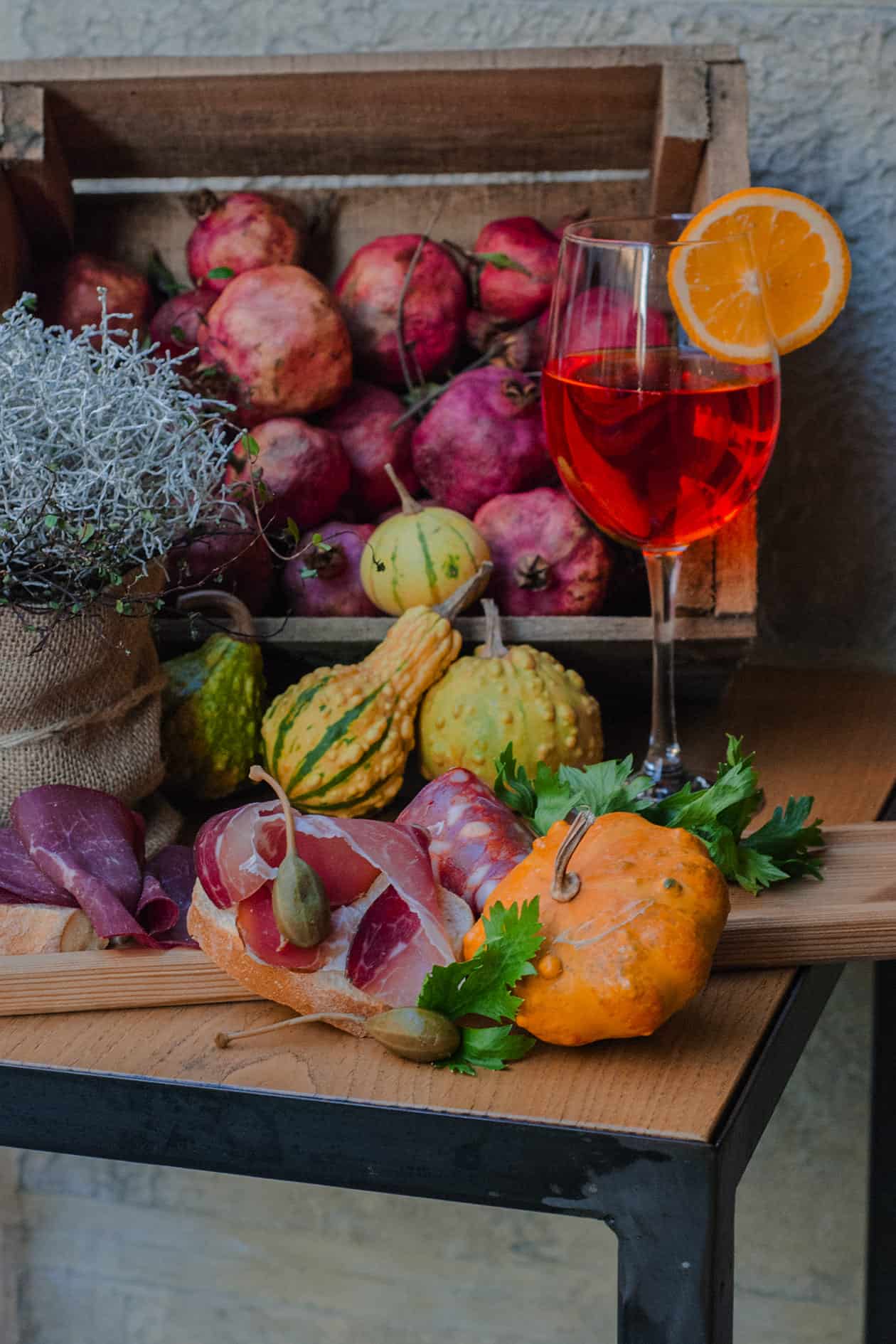
The Ultimate Guide to Treviso’s Osterie and Bacari
My name is Igor Scomparin, and I am a licensed local guide based in the Veneto, working daily between Treviso and Venice. I am the owner of www.tourleadertreviso.com
and www.tourleadervenice.com
, two boutique travel projects focused on helping travelers understand Veneto through its everyday rituals—especially food and wine.
If you want to understand Treviso, forget museums for a moment and step into an osteria or a bacaro.
This is where the city speaks freely.
Where habits are visible.
Where locals gather without planning.
This article is the ultimate guide to Treviso’s osterie and bacari—what they are, how they differ, how locals use them, and how you should approach them if you want an authentic experience.
Osterie and Bacari: What’s the Difference?
Visitors often use these words interchangeably. Locals never do.
Understanding the difference changes everything.
Osteria
An osteria is about food first.
Traditionally, an osteria offers:
A small menu
Regional dishes
Wine by the jug or glass
A relaxed pace
Osterie are places where you sit, eat, and stay.
Bacaro
A bacaro is about wine and movement.
Bacari are:
Informal
Standing-room focused
Built around cicchetti and drinks
Social and dynamic
You don’t “go to” a bacaro.
You pass through it.
Treviso has both—and locals know exactly when to choose one or the other.
Why Osterie and Bacari Matter in Treviso
Treviso’s food culture is not restaurant-driven.
It is osteria-driven.
These places:
Follow the seasons
Reflect local taste
Serve locals daily
Change little over time
They are not curated for visitors. That’s why they’re honest.
How Locals Use Osterie
Locals go to osterie to:
Eat lunch during the workday
Have a relaxed dinner
Meet friends without noise
Enjoy familiar dishes
Osterie are predictable in the best way. You return because you know what you’ll get.
Menus are often:
Short
Seasonal
Written by hand
If something is missing, it means it’s not in season—or not good that day.
How Locals Use Bacari
Bacari serve a different purpose.
Locals use them to:
Start the evening
Drink a Spritz or a glass of wine
Eat something small
Talk and move on
You might visit:
One bacaro
Then another
Then maybe an osteria
This movement is essential to Treviso’s social rhythm.
Cicchetti: The Language of Bacari
Cicchetti are small bites designed to accompany wine, not replace meals.
They may include:
Crostini
Simple sandwiches
Meatballs
Seasonal vegetables
Locals rarely order many at once. One or two is enough.
Cicchetti are about gesture, not appetite.
Wine Culture in Treviso’s Osterie
Wine in Treviso is:
Local
Simple
Affordable
You will often see:
Wine served without labels
Carafes instead of bottles
Staff who pour without asking too many questions
This is wine as food, not wine as performance.
Standing vs Sitting: A Cultural Detail That Matters
In bacari, standing is normal—even preferred.
Standing:
Encourages conversation
Keeps things informal
Prevents overstaying
In osterie, sitting means you’re there to eat—and to stay.
Understanding where to stand and where to sit is a key local code.
What Time to Visit Osterie and Bacari
Timing matters more than choice.
Bacari
Best time: 5:30–7:30 PM
Earlier is calmer
Later is livelier
Osterie
Lunch: 12:30–1:30 PM
Dinner: after 7:30 PM
Arriving outside these windows often means missing the atmosphere.
What Locals Avoid (And You Should Too)
To experience Treviso’s osterie and bacari properly, avoid:
Restaurants with long multilingual menus
“Aperitivo buffet” concepts
Places advertising tradition too loudly
Overly decorated interiors
Authenticity in Treviso is quiet.
Why Treviso’s Bacari Feel Different from Venice’s
Venice is famous for bacari—but Treviso’s are more relaxed.
In Treviso:
Fewer tourists
More regulars
Less pressure
Lower prices
The experience is less performative and more personal.
Osterie as Social Anchors
Many Trevigiani return to the same osteria for decades.
These places become:
Extensions of home
Meeting points
Shared memories
You don’t need variety when you have trust.
How to Order Like a Local
A few simple rules:
Ask what’s good today
Don’t over-order
Trust the staff
Accept what’s missing
If a dish is unavailable, it’s a sign of quality—not a problem.
Why Guided Visits Make a Difference
Osterie and bacari can feel intimidating without context.
As a local guide, I help visitors understand:
Where to start
How to move between places
When to stop
How to read the room
Suddenly, Treviso feels accessible.
Osterie, Bacari, and the Rhythm of the Day
These places are not isolated experiences.
They connect:
Work and leisure
Food and conversation
Individual and community
This rhythm is what makes Treviso feel alive.
Final Thoughts: Follow the Habit, Not the Hype
If you remember one thing from this guide, remember this:
In Treviso, the best osteria or bacaro is the one locals return to without thinking.
Don’t search for perfection.
Follow repetition.
Follow habit.
That’s where Treviso reveals itself.
Frequently Asked Questions
1. Can I eat a full meal in a bacaro?
Usually no. Bacari are for drinks and small bites, not full dinners.
2. Are osterie suitable for solo travelers?
Absolutely. Eating alone is normal and comfortable in Treviso.
3. Do I need reservations for osterie in Treviso?
Sometimes for dinner, rarely for lunch. Bacari never require reservations.
If you would like help discovering Treviso’s osterie and bacari with a local guide, or planning a food-focused experience in Treviso or Venice, feel free to contact us at:
📧 info@tourleadertreviso.com
I’ll be happy to help you experience Treviso the way locals do—one glass, one bite, one conversation at a time.