Why Treviso’s Radicchio Festival Is Worth Planning Your Trip Around
My name is Igor Scomparin, and I am a licensed local guide based in the Veneto, working daily between Treviso and Venice. I am the owner of www.tourleadertreviso.com
and www.tourleadervenice.com
, two boutique travel projects created to help travelers experience Northern Italy through its seasons, traditions, and everyday rituals—not through staged attractions.
If you ask locals when Treviso feels most like itself, many will answer without hesitation:
“During radicchio season.”
And at the heart of that season is the Radicchio Festival—a celebration that is quiet, agricultural, and deeply meaningful to the people who live here.
This article explains why Treviso’s Radicchio Festival is worth planning your trip around, what actually happens during it, and why it offers a more authentic experience than many better-known Italian events.
Radicchio Is Not a Side Dish in Treviso
To understand the festival, you must first understand the ingredient.
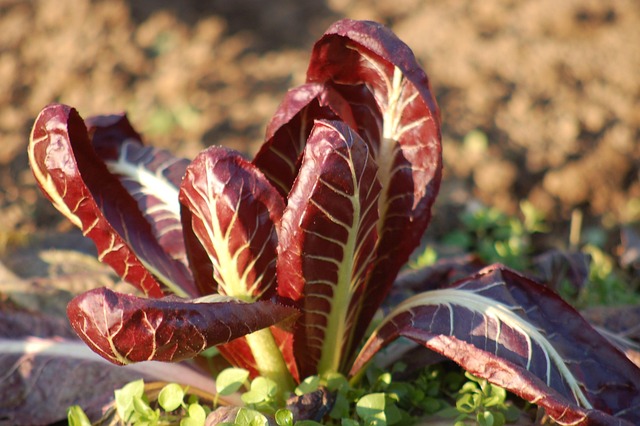
Radicchio Rosso di Treviso is not garnish.
It is not decoration.
It is not a trend.
It is identity.
For Treviso, radicchio represents:
Land
Water
Season
Patience
Knowledge passed down through generations
Celebrating radicchio means celebrating the territory itself.
What the Radicchio Festival Really Is (And What It Isn’t)
The Radicchio Festival—often referred to locally as the Sagra del Radicchio—is not a single, spectacular event with fireworks and stages.
It is:
Agricultural
Seasonal
Community-based
Spread across towns and weeks
There is no fixed formula. And that’s exactly why it feels real.
When the Festival Takes Place
The festival happens during radicchio season, generally between late November and January, depending on weather and harvest conditions.
This timing is not negotiable.
Radicchio depends on:
Cold nights
Frost
Spring-fed water
Slow growth
The festival follows nature, not the calendar.
Planning your trip around it means embracing winter—and Treviso shines in winter.
Why Winter Is the Best Time to Visit Treviso
Many travelers avoid Northern Italy in winter. Locals don’t.
Winter in Treviso means:
Fewer visitors
Quieter streets
Deeper food culture
Authentic daily life
The Radicchio Festival exists precisely because this is when the city slows down enough to celebrate what matters.
What Actually Happens During the Festival
Forget large stages and loud music.
During the Radicchio Festival, you’ll find:
Local producers presenting radicchio
Simple food stands
Seasonal dishes
Conversations, not performances
Radicchio appears everywhere:
Grilled
In risotto
Baked
Paired with meat, cheese, or eggs
This is not “festival food.”
It’s home cooking, shared publicly.
The Role of Producers: The True Stars
The real protagonists of the festival are not chefs or influencers.
They are:
Farmers
Growers
Families who work the fields
Many producers:
Have cultivated radicchio for generations
Follow strict traditional methods
Depend entirely on seasonal conditions
Meeting them gives meaning to every bite.
Radicchio Tardivo and Precoce: A Key Distinction
During the festival, locals pay close attention to variety.
Two types dominate:
Radicchio di Treviso Tardivo
Radicchio di Treviso Precoce
Locals know:
Which is better grilled
Which suits risotto
Which year was better than the last
This knowledge is cultural, not academic.
Why Food Tastes Better During the Festival
Radicchio eaten during the festival is:
At peak freshness
Cooked simply
Prepared with confidence
There is no need to explain it, elevate it, or reinterpret it.
Everyone already understands its value.
Markets, Osterie, and Everyday Life During Festival Season
Even outside official events, the festival changes the city.
You’ll notice:
Radicchio dominating markets
Seasonal menus everywhere
Conversations about harvest quality
Pride in small differences
This immersion is impossible to replicate at any other time of year.
Why Tourists Rarely Plan Around the Festival
Most visitors:
Travel in spring or summer
Associate festivals with spectacle
Don’t research agricultural seasons
As a result, they miss Treviso at its most authentic.
Those who plan around radicchio season experience a city that feels inhabited, not performed.
The Festival as a Lesson in Italian Food Culture
The Radicchio Festival teaches something essential about Italy:
Food is not entertainment.
It is memory, labor, and landscape.
The festival celebrates:
Waiting
Restraint
Respect for nature
Values that are increasingly rare—and deeply Trevigiani.
Why This Festival Is Worth the Trip Alone
You don’t visit the Radicchio Festival to “do” something.
You visit to:
Taste something at its best
Understand a territory
Feel part of a community
It is subtle, sincere, and unforgettable.
Experiencing the Festival With a Local Guide
As a local guide, I help visitors:
Understand what they’re eating
Meet the right producers
Choose the right dishes
Avoid superficial experiences
The festival becomes meaningful when you know why things taste the way they do.
Final Thoughts: Follow the Season, Not the Crowd
If you remember one thing from this article, remember this:
Treviso rewards travelers who follow the calendar of the land, not the calendar of tourism.
The Radicchio Festival is not loud.
It is not famous.
It is not designed for visitors.
And that is exactly why it is worth planning your trip around.
Frequently Asked Questions
1. Do I need tickets for the Radicchio Festival?
No. Events are generally open and informal.
2. Is the festival suitable for non-food-focused travelers?
Yes. It offers cultural insight, not just food.
3. Can I experience radicchio season without attending official events?
Absolutely. Markets and osterie reflect the season throughout the city.
If you would like help planning a winter trip to Treviso, experiencing radicchio season with a local guide, or designing a food-focused itinerary in Treviso or Venice, feel free to contact us at:
📧 info@tourleadertreviso.com
I’ll be happy to help you discover Treviso at the moment when it is most itself—quiet, seasonal, and deeply rooted.