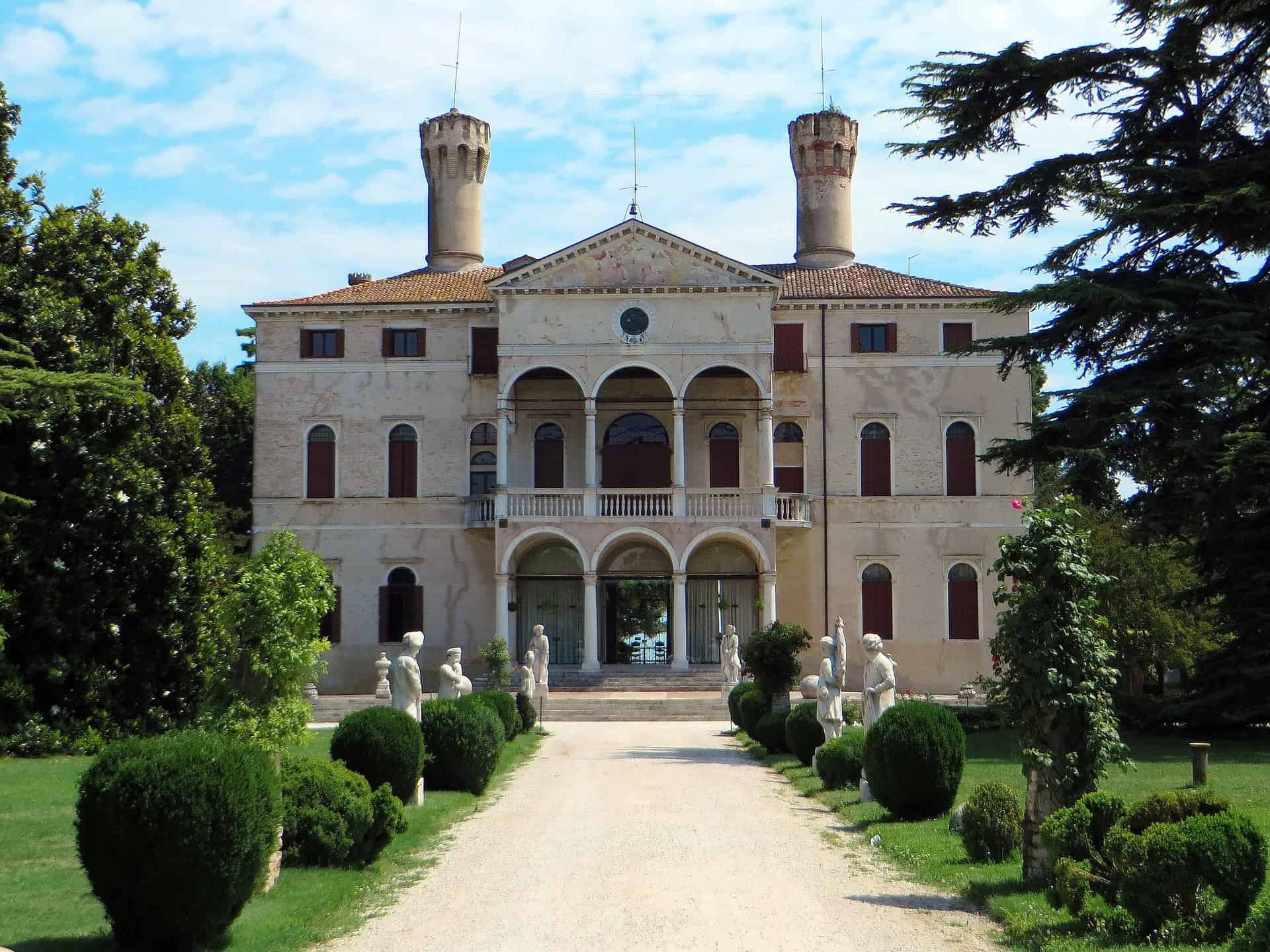
The Hidden Villas of Treviso Province: Palladio’s Lesser-Known Works
My name is Igor Scomparin, and I am a licensed local guide based in the Veneto, working daily between Treviso and Venice. I am the owner of www.tourleadertreviso.com
and www.tourleadervenice.com
, two boutique travel projects created to help travelers discover Veneto beyond the obvious—quietly, thoughtfully, and in context.
When people hear the name Andrea Palladio, they think of famous masterpieces, grand symmetry, and perfectly photographed villas.
What they rarely think about is Treviso province.
And yet, this countryside—flat, agricultural, and discreet—holds some of Palladio’s least-known and most revealing works. Not monumental showpieces, but villas designed to be used, lived in, and integrated into the land.
This article explores the hidden Palladian villas of Treviso province, why they are overlooked, and why they may offer a deeper understanding of Palladio than his more celebrated sites.
Palladio Beyond the Postcard
Palladio did not design villas as museums.
He designed them as:
Working agricultural centers
Residences for landowners
Symbols of order and balance
Practical structures tied to productivity
In Treviso province, this functional side of Palladio is especially visible.
These villas were not meant to impress travelers.
They were meant to organize land, labor, and life.
Why Treviso Province Is Often Overlooked
Most Palladio itineraries focus on:
Vicenza
The Brenta Riviera
Famous, fully preserved villas
Treviso province is:
Rural
Dispersed
Less documented
Less restored
But this is precisely what makes it fascinating.
Here, Palladio’s architecture blends into daily life rather than standing apart from it.
A Landscape That Shaped the Architecture
Treviso province is flat, fertile, and water-rich.
This influenced Palladio’s designs:
Horizontal emphasis
Clear geometric organization
Integration with farmland
Strong relationship between house and barchesse (farm wings)
These villas feel grounded, not theatrical.
They belong to the land.
Palladio’s Villas as Agricultural Machines
To understand Palladio here, you must forget the idea of villas as “country houses.”
They were:
Centers of production
Administrative hubs
Storage spaces
Residences combined with work
Architecture served economy.
Beauty came from proportion and clarity—not decoration.
Villa Cornaro: The Famous One Near the Border
Villa Cornaro is often mentioned, but rarely truly explored in context.
While not deep inside Treviso city, it sits at the edge of Treviso’s cultural landscape and reflects Palladio’s transition toward domestic elegance combined with rural function.
Its significance lies not in grandeur—but in balance.
Lesser-Known Palladian Influences in Treviso Province
Not all villas in Treviso province are fully documented Palladio works.
Some are:
Attributed
Influenced
Adapted by followers
This makes the area a living laboratory of Palladian ideas rather than a closed catalogue.
You see:
Proportions repeated
Motifs simplified
Concepts adapted to local needs
Palladio becomes a language, not a signature.
Why These Villas Feel Different
Visitors often say these villas feel “quieter.”
That’s because:
They are still surrounded by farmland
Many remain private residences
Tourism has not reshaped them
Daily life continues around them
You don’t “visit” them in the usual sense.
You encounter them unexpectedly.
Private Ownership and Discretion
Most villas in Treviso province are:
Privately owned
Not open to the public
Still lived in
This limits access—but preserves authenticity.
The goal is not entry.
The goal is understanding their place in the landscape.
The Relationship Between Villa and Land
In Treviso province, you can still read Palladio’s logic clearly:
Central house = authority and order
Agricultural wings = productivity
Symmetry = rational control of space
These villas are maps of a worldview where architecture organized society.
Why Palladio Matters More Here Than in Famous Sites
In celebrated villas, Palladio is often admired aesthetically.
In Treviso province, he is understood functionally.
You see:
How design responds to need
How beauty serves purpose
How architecture shapes daily life
This is Palladio without performance.
Why Tourists Rarely See These Villas
Most visitors:
Don’t leave main routes
Expect open monuments
Follow fixed itineraries
Treviso’s Palladian villas require:
Slowness
Curiosity
Context
They reward those willing to look without expecting spectacle.
Experiencing These Villas With a Local Guide
As a local guide, I don’t promise entry into every villa.
What I offer instead:
Historical context
Landscape reading
Architectural explanation
Connection between land and design
Suddenly, fields, roads, and buildings make sense together.
Why This Matters for Understanding Veneto
Palladio shaped not only buildings—but a way of organizing territory.
Treviso province shows:
How architecture supported agriculture
How rural Veneto functioned
How design influenced everyday life
Without places like this, Palladio becomes incomplete.
Final Thoughts: The Most Honest Palladio Is the Quietest
If you remember one thing from this article, remember this:
Palladio’s most revealing works are not always the most famous ones.
In Treviso province, his architecture whispers instead of declaring.
And for those willing to listen, it tells a deeper story.
Frequently Asked Questions
1. Can I visit Palladian villas in Treviso province?
Some can be viewed externally; most are private and should be respected.
2. Are these villas worth seeing if I’ve already visited Vicenza?
Yes. They offer a more functional, rural perspective on Palladio’s work.
3. Do I need a guide to understand them?
Highly recommended—context is essential when access is limited.
If you would like to explore the hidden Palladian landscape of Treviso province, design a countryside itinerary, or combine architecture, history, and local life in Veneto, feel free to contact us at:
📧 info@tourleadertreviso.com
I’ll be happy to help you discover Palladio where he worked most quietly—and most honestly.