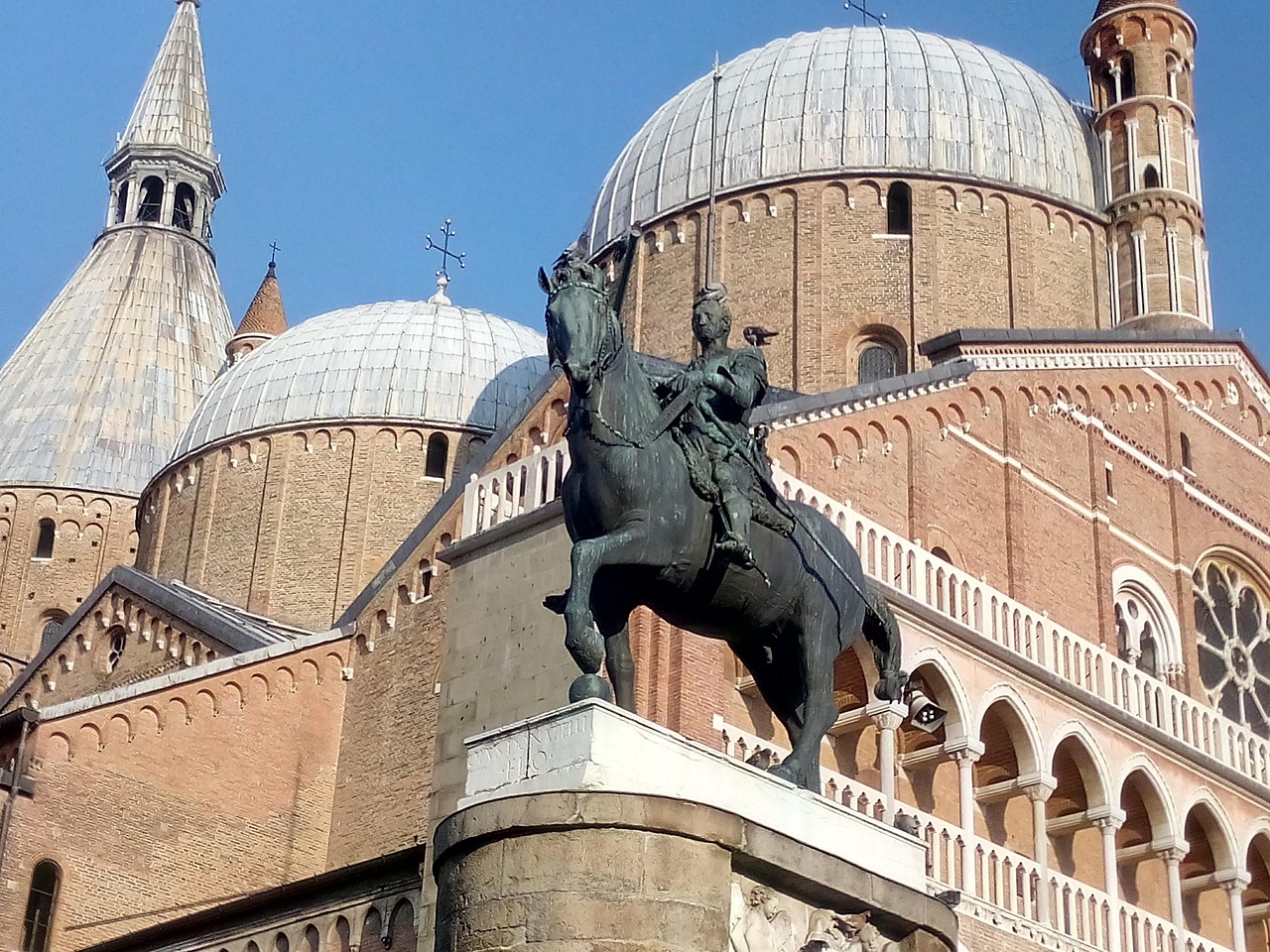
Padua from Treviso: Giotto, Saints, and the Oldest Botanical Garden
My name is Igor Scomparin, and I am a licensed local guide based in the Veneto, working daily between Treviso and Venice. I am the owner of www.tourleadertreviso.com
and www.tourleadervenice.com
, two boutique travel projects created to help travelers experience Veneto as a connected cultural landscape—not a series of isolated highlights.
From Treviso, one of the most meaningful day trips you can take is to Padua.
Padua is not a city you skim.
It is a city you enter—intellectually, spiritually, and historically.
This article explains how to visit Padua from Treviso, why Giotto, saints, and science coexist so naturally here, and how to experience the city without turning it into a checklist.
Why Padua Matters in Veneto
Padua is one of the intellectual pillars of northern Italy.
For centuries, it has been a city of:
Learning
Faith
Debate
Experimentation
While Venice looked outward to the sea, Padua looked inward—toward ideas, medicine, theology, and art.
Understanding Padua helps you understand the mind of Veneto.
Getting from Treviso to Padua
Padua is easy to reach from Treviso.
Train time: approximately 1 hour
Frequent connections
Arrival: Padua station, walkable to the historic center
No car is necessary.
The journey is smooth, direct, and ideal for a full-day visit.
Giotto and the Birth of Modern Painting
Padua holds one of the most important turning points in Western art history.
That moment lives inside the Scrovegni Chapel, painted by Giotto in the early 14th century.
Giotto did something revolutionary:
He gave weight to bodies
Emotion to faces
Space to scenes
Painting moved from symbolic to human.
Everything that follows in Renaissance art begins here.
Why the Scrovegni Chapel Is Not “Just Another Church”
The Scrovegni Chapel is:
Small
Controlled
Intense
It is not designed for crowds or speed.
Inside, the frescoes form a complete narrative—from life to death, hope to judgment. You don’t observe them individually. You absorb them as a whole.
This is why access is limited and timed.
Giotto demands attention, not admiration.
Padua as a City of Saints
Padua is also inseparable from Saint Anthony of Padua.
Unlike many religious cities, devotion here is not distant or symbolic. It is active.
People come to Padua:
To pray
To ask
To give thanks
The presence of Saint Anthony is not historical—it is living.
The Basilica of Saint Anthony: Faith in Motion
The Basilica of Saint Anthony is not quiet.
It is:
Constantly visited
Actively used
Deeply emotional
You will see:
Locals lighting candles
Pilgrims kneeling
People passing through quickly but intentionally
This is not a museum. It is a functioning spiritual center.
Why Padua Balances Faith and Reason
What makes Padua unique is not that it has saints and scholars—but that it embraces both equally.
This balance is embodied in:
Its university
Its hospitals
Its churches
Faith and science here grew side by side, not in opposition.
Europe’s Oldest Botanical Garden
Padua is home to the Orto Botanico di Padova, the oldest academic botanical garden in the world, founded in 1545.
It was created to:
Study medicinal plants
Teach medical students
Advance scientific knowledge
This garden represents Padua’s commitment to observation, experimentation, and learning.
Why the Botanical Garden Still Matters Today
The Orto Botanico is not just historical.
It remains:
A research center
A living archive
A symbol of continuity
Plants are arranged not for decoration, but for understanding.
It is one of the clearest expressions of Padua’s scientific soul.
Walking Padua: A City Built for Thought
Padua is flat, spacious, and walkable.
As you move through it, you notice:
Arcaded streets
Large piazzas
Long visual axes
This architecture supports conversation, teaching, and gathering.
Padua feels designed for minds at work.
The University City Atmosphere
Founded in 1222, the University of Padua shaped the city profoundly.
You still feel it:
In cafés
In bookstores
In mixed-age crowds
Students and professors coexist with pilgrims and residents.
This mix keeps Padua intellectually alive.
Food in Padua: Functional and Regional
Padua’s food culture reflects its academic nature.
Meals are:
Nourishing
Practical
Regional
Expect:
Simple pastas
Rice dishes
Seasonal vegetables
Food supports the day—it doesn’t dominate it.
How Much Time You Need in Padua
Padua deserves a full day.
Trying to compress:
Giotto
Saint Anthony
The botanical garden
into a half day turns depth into stress.
Padua rewards patience.
Common Mistakes Visitors Make
From experience, visitors often:
Only see the Scrovegni Chapel
Rush between highlights
Ignore the city in between
Padua lives in its continuity—not just its monuments.
Padua and Treviso: A Powerful Combination
Treviso offers:
Daily rhythm
Quiet beauty
Food and water
Padua offers:
Ideas
Faith
Knowledge
Together, they represent two essential sides of Veneto life.
One feeds the body.
The other feeds the mind.
Why a Local Guide Changes Padua Completely
Padua is rich—but complex.
With a local guide, you gain:
Context between sites
Historical connections
A readable narrative
Without guidance, Padua can feel overwhelming.
With it, everything aligns.
Final Thoughts: A City That Thinks Deeply
If you remember one thing from this article, remember this:
Padua is not a city you visit for beauty alone—it’s a city you visit to understand how Europe learned to think differently.
From Giotto’s humanity to Saint Anthony’s devotion, from medicine to botany, Padua shows how art, faith, and science can grow together.
As a day trip from Treviso, it is not just convenient—it is essential.
Frequently Asked Questions
1. Is Padua suitable for a day trip from Treviso?
Yes, a full day allows you to experience its main cultural layers without rushing.
2. Do I need to book the Scrovegni Chapel in advance?
Yes. Reservations are required and strongly recommended.
3. Is Padua very religious?
It is both religious and academic—this balance defines the city.
If you would like help planning a day trip to Padua from Treviso, booking Giotto’s frescoes, or designing a cultural itinerary combining Treviso, Padua, and Venice, feel free to contact us at:
📧 info@tourleadertreviso.com
I’ll be happy to help you experience Padua not as a list of monuments—but as a city where ideas, faith, and observation still meet.