igor
About igor
Posts by :
Here is the full article — clean, copy-paste ready, all links embedded naturally:
Does Treviso Have Its Own Airport — And What Do You Need to Know Before You Land?
Most travelers arrive in the Veneto expecting Marco Polo. They book their flights to Venice, they scroll through transfer options, they brace themselves for the water taxi prices and the crowds at arrivals.
And then some of them — the ones who found a Ryanair or Wizz Air fare that seemed almost too good to be true — look more carefully at their booking confirmation and notice something unexpected. The airport code is not VCE. It is TSF. The airport is not Venice Marco Polo. It is Treviso Antonio Canova.
At which point, a mild panic sets in.
I am Igor Scomparin. I was born and raised between Treviso and the Veneto countryside, I have held an official Tour Guide License for this region since 2007, and I have picked up more guests from Treviso Airport than I can count. I have watched that mild panic play out on arrivals faces more times than I can remember — and I am here to tell you that it is entirely unnecessary.
Treviso Airport is not a problem. In many ways, it is an advantage. Let me explain everything you need to know before you land.
What Exactly Is Treviso Airport?
Treviso Antonio Canova Airport — IATA code TSF, universally known simply as Canova — is a fully operational international airport located approximately three kilometres west of Treviso city centre, in the flat agricultural land between the city and the village of Sant’Angelo.
It opened as a civilian airport in the 1930s, was used as a military airfield during the Second World War, and was rebuilt and modernised for commercial use in the postwar period. The current terminal building — clean, functional, and named in honour of Antonio Canova, the great neoclassical sculptor born in the Treviso province in 1757 — was completed in 2007.
The airport operates as a primary base for low-cost carriers, principally Ryanair and Wizz Air, connecting Treviso with dozens of European destinations year-round as well as a number of seasonal routes to North Africa and the Mediterranean. It is, in the language of the airline industry, a secondary airport for the Venice metropolitan area — which is marketing language for an airport that is actually closer to a more interesting city than the one it officially serves.
The terminal is compact and manageable — one building, two levels, no inter-terminal connections to navigate, no shuttle buses between concourses. Ground floor for arrivals, first floor for departures. Baggage claim, information desks, car rental counters, and ground transport options are all within a two-minute walk of each other. After the bewildering complexity of major hub airports, Treviso Canova feels almost startlingly simple.
The First Thing to Understand: This Is Not Venice’s Second Airport
Airlines and booking platforms frequently describe Treviso as a Venice airport — a secondary option for travellers heading to the lagoon city. This is technically accurate in the sense that coach connections exist between Treviso and Venice, and many passengers do use it for exactly that purpose.
But framing Treviso Airport purely as a back door to Venice misses the point entirely.
If you have landed at Treviso Canova, you have landed at the airport of one of the most beautiful, most liveable, and most genuinely Italian cities in the northeast of the country. Treviso itself — with its medieval canals, its frescoed palaces, its extraordinary food and wine culture, its quiet streets and its complete absence of mass tourism — is twenty minutes away by bus and taxi.
The question is not how quickly you can leave Treviso and get to Venice. The question is whether you have considered, even for a moment, the possibility that you might want to stay.
Getting From the Airport to Treviso City Centre
This is the practical question that most people have first, and the answer is straightforward.
By public bus — the cheapest and perfectly adequate option. The Mobilità di Marca Airlink service runs directly between Treviso Airport and Treviso Centrale railway station, roughly every thirty minutes throughout the day, from early morning until late evening. The journey takes approximately twenty minutes. A single ticket costs a few euros and can be purchased at the ticket office in arrivals, from the driver, or via the MOM app. The 1Day Card — valid on the entire city network for 24 hours — costs five euros and is excellent value if you plan to move around the city. The 3Day Card costs seven euros.
By taxi — faster and more convenient, particularly with luggage or when arriving late. The taxi rank is immediately outside the arrivals exit. The fare to the city centre is metered and typically falls in a range that most travellers find reasonable for the convenience. Taxis in Treviso are reliable and the drivers are generally familiar with the hotels and addresses in the historic centre.
By private transfer — the option I recommend for guests who want to begin their Treviso experience the moment they land rather than the moment they arrive at their hotel. A private transfer means a driver who knows you are coming, a vehicle that is ready when you exit arrivals, and — if you book through me — often the beginning of a conversation about what you are going to do and see in the coming days. It is not dramatically more expensive than a taxi for individuals or couples, and for families or groups it frequently works out cheaper per person. I arrange private transfers from Treviso Airport as part of my services — get in touch before your trip and I will handle everything.
Getting From the Airport to Venice
If your plans do involve Venice — either as a day trip or because you are continuing there — the connections from Treviso Airport are simple.
The Barzi Bus Service and Flibco operate coach connections from the airport directly to Venice, reaching the city in approximately forty minutes via the motorway. The Flibco service, launched in late 2024, connects Treviso Airport with Mestre railway station and Venezia Tronchetto, with up to fifteen daily departures timed to align with flight arrivals and departures. Tickets can be purchased online or through the Flibco app.
Alternatively, take the Airlink bus to Treviso Centrale station and board a regional train to Venice — a journey of about thirty minutes on the direct service, with trains running frequently throughout the day.
The honest advice, though, is this: if you have landed at Treviso and you have any flexibility in your itinerary whatsoever, consider spending at least one night — ideally two or three — in Treviso before or after Venice. The city has a quality of daily life, a food and wine culture, and a level of genuine local atmosphere that Venice, for all its extraordinary beauty, simply cannot offer anymore.
The Terminal: What to Expect Inside
Treviso Canova is a small airport. This is not a criticism — it is one of its most significant practical advantages.
The terminal opens at 5am and operates until midnight, or until the last scheduled flight has arrived. Passengers cannot remain inside overnight, so if you have a very early departure, the accommodation options in the immediate vicinity of the airport — several B&Bs are within a five-minute walk of the terminal — are worth knowing about.
On the ground floor, arrivals, baggage claim, an ATM, car rental desks, the information desk, and a grab-and-go café. On the first floor, departures, check-in counters, a single security checkpoint, the gate area, a duty-free shop, fashion and accessories stores, a newsagent, a bookshop, a regional products store, cafés, bars, and fast food outlets. Currency exchange is also on the first floor.
Free Wi-Fi is available throughout the terminal via the Treviso Airport Free Wifi network — no registration required, no time limit. Charging stations for electronic devices are located in the boarding lounges.
Accessibility services are provided in compliance with European regulations for passengers with reduced mobility, and are free of charge. Assistance must be requested at least 48 hours in advance through your airline or travel agency.
Parking at Treviso Airport
The airport has four parking areas — three long-term car parks with a combined total of 564 spaces, and a short-term area directly in front of the terminal building with 50 spaces for drop-offs and quick collections. If you are driving yourself to the airport, the long-term car parks are well-signposted and a short walk from the terminal. If you are collecting someone, the short-term area directly in front of arrivals makes the process straightforward.
The First Hour After Landing: What I Recommend
Here is what I tell every guest who asks me what to do in the first hour after landing at Treviso Canova.
Do not rush. You have landed in one of the most pleasant corners of Italy, and the city centre is twenty minutes away. Exit arrivals, take a breath of Veneto air — which in spring smells faintly of cut grass and something floral from the fields surrounding the airport — and orient yourself calmly.
If you have a private transfer booked, your driver will be waiting in arrivals with your name. If you are taking the bus, follow the signs to the bus stop immediately outside the terminal exit and check the departure board for the next Airlink service to Treviso Centrale. If you are taking a taxi, the rank is directly outside.
By the time you reach the canals and the historic centre of Treviso, you will understand why I am not in the habit of apologising to guests who land here rather than at Marco Polo. Twenty minutes from landing to standing beside a medieval canal in a city that has barely changed in five centuries — with an aperitivo waiting and a market to explore in the morning — is, by almost any measure, an excellent beginning to a trip.
What Comes Next
Once you have arrived in Treviso, the question is what to do with it. The city rewards slow exploration — its river, its walls, its bacari, its markets, its extraordinary surrounding countryside of Prosecco hills and Palladian villas — and it is the kind of place where a good local guide makes an enormous difference to what you see and understand.
I offer fully private tours of Treviso and the surrounding Veneto — walking tours of the historic centre, Prosecco Road excursions, day trips to Asolo, Bassano del Grappa, and the Dolomites, private airport transfers from Treviso Canova, and fully customised multi-day itineraries.
Everything I do is 100% private. No shared groups. No rushed itineraries. Just you, the real Veneto, and a guide who was born here and has spent his entire professional life learning to show it properly.
📩 Get in touch before your trip and let’s plan everything from the moment you land.
Frequently Asked Questions
Is Treviso Airport the same as Venice Airport?
No — they are two separate airports, approximately 30 kilometres apart. Venice Marco Polo Airport (VCE) is located on the edge of the Venetian lagoon and serves as the main international gateway for the region, with flights from across Europe, North America, and beyond. Treviso Antonio Canova Airport (TSF) is a smaller, primarily low-cost airport located near Treviso city centre, operated mainly by Ryanair and Wizz Air. Both airports serve the broader Veneto region, but they are distinct facilities with different airline mixes, different scales, and — crucially — different surrounding cities. Landing at Treviso puts you twenty minutes from one of the most beautiful and least touristy cities in northeastern Italy. That is not a consolation prize. It is, arguably, the better outcome.
How long does it take to get from Treviso Airport to the city centre?
By public bus — the Mobilità di Marca Airlink service — the journey from the airport to Treviso Centrale railway station takes approximately twenty minutes, with departures roughly every half hour throughout the day. By taxi, the journey is fifteen to twenty minutes depending on traffic, and the fare is metered. By private transfer, the timing is similar to a taxi but with the added convenience of a driver waiting for you in arrivals. From the railway station or from wherever your transfer drops you, the historic centre of Treviso is either a short walk or a brief further taxi ride. In practical terms, most guests are standing in the centre of Treviso within thirty to forty minutes of collecting their baggage.
Can I get from Treviso Airport directly to Venice?
Yes, easily. Coach services operated by Barzi Bus Service and Flibco run directly from Treviso Airport to Venice, with the Flibco service connecting to Mestre railway station and Venezia Tronchetto in approximately forty minutes. Alternatively, the Airlink bus connects the airport to Treviso Centrale station, from where frequent regional trains reach Venice in about thirty minutes. That said, if you have the flexibility to spend even one night in Treviso before continuing to Venice, I strongly recommend it. The two cities are genuinely different experiences, and Treviso offers something Venice no longer can — a living, breathing Italian city where the locals are still in charge of their own streets.
Igor Scomparin is a licensed Tour Guide and Tour Leader for the Veneto Region, certified Travel Agency Director, and founder of tourleadertreviso.com. He has been featured in Rick Steves’ travel guides to Italy and Europe since 2008.
Are Treviso’s City Walls the Most Underrated Monument in Italy?
There is a moment, walking along the southern stretch of Treviso’s city walls in the early morning, when you stop and realize that almost nobody knows this exists.
Not the tourists — they are not here yet, or when they do come, they head straight for the canals and the Pescheria and the Piazza dei Signori. Not even many Italians, outside of the Veneto, could tell you that Treviso possesses one of the best-preserved Renaissance military fortification systems in the entire country.
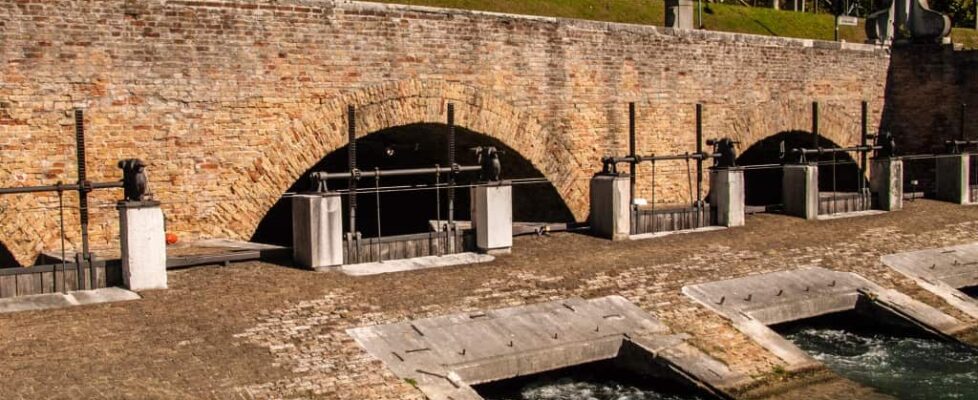
And yet here it stands. Nearly four kilometres of walls, bastions, moats and gates, built by the greatest military engineers of the Venetian Republic between the late fifteenth and mid-sixteenth century, still almost entirely intact, still encircling the old city in a ring of pale stone and quiet authority.
I am Igor Scomparin. I was born in this region, I have held an official Tour Guide License for the Veneto since 2007, and I have walked these walls hundreds of times. Every time, I find something I had not noticed before. That is what five hundred years of history does — it rewards attention.
Why Did Venice Build Walls Around Treviso?
To understand the walls, you need to understand what Treviso meant to Venice.
From 1339 onwards, Treviso was one of the most strategically important cities in the Venetian Republic’s mainland territories — the Terraferma. It sat at the northern edge of the Venetian plain, controlling the routes that led up into the Dolomites and across to the eastern borders. Whoever held Treviso held the key to the Veneto.
For most of the medieval period, the city was protected by older walls — adequate for an era of infantry and siege engines, but dangerously obsolete by the late fifteenth century. Because by then, everything had changed.
Gunpowder had changed it.
The introduction of artillery into European warfare made the tall, narrow walls of the medieval tradition not just ineffective but actively dangerous — they provided a high target for cannonballs and collapsed in ways that buried defenders rather than protecting them. A completely new approach to military architecture was required, and the Venetian Republic — wealthy, pragmatic, and acutely aware of the threats gathering along its northern and eastern borders — commissioned it.
The result was what military historians call the trace italienne: a system of low, angled bastions, wide earthen ramparts, and deep moats designed not to stop cannonballs but to absorb them, deflect them, and deny the enemy a clean line of fire. It was the most sophisticated military engineering of its age. And Treviso, completed between roughly 1509 and 1517 under the direction of Fra Giocondo and later modified by other Venetian engineers, is one of its finest surviving examples.
What Does the Walk Actually Look Like?
The walls of Treviso form an almost complete circuit around the historic centre — you can walk the full perimeter in about an hour and a half at a leisurely pace, or take a shorter section if you prefer.
The experience changes dramatically depending on which section you choose and what time of day you walk it.
The southern and western stretches, along the Sile and the moat, are the most dramatic. Here the walls rise directly from the water — the river was incorporated into the defensive system as a natural moat, which is why the Sile and its surrounding park feel so integral to the character of the city even today.
(link on “the Sile and its surrounding park”: https://www.tourleadertreviso.com/the-sile-river-trevisos-natural-treasure/)
The bastions — the angular, arrowhead-shaped projections that punctuate the walls at regular intervals — are best appreciated from the outside, where you can see how they were designed to provide overlapping fields of fire, eliminating the blind spots that had made medieval towers so vulnerable. Stand at the tip of one of the major bastions in the late afternoon and look back along the wall: you will immediately understand the geometry. Nothing could approach from this direction without being caught in a crossfire.
The northern stretch, along Viale Fratelli Cairoli and Viale della Repubblica, passes through a more urban landscape — the walls here are partially integrated into the modern city fabric, with gardens and residential streets running alongside them. Less dramatic, perhaps, but with their own quieter beauty.
The Gates: Three Survivors of Five Centuries
The walls are pierced by three main gates, each a monument in its own right.
Porta San Tomaso is the grandest — a triumphal arch in the Venetian Renaissance style, decorated with the lion of Saint Mark and the coat of arms of the Venetian Republic. It was the main ceremonial entrance to the city from the north, and it still functions today as a working gate through which cars and pedestrians pass, apparently without noticing that they are walking through a five-hundred-year-old masterpiece of civic architecture.
Stop and look at it properly. Run your hand along the stone if you can reach it. Think about the fact that this gate has been standing here since roughly 1517, that it watched the armies of the League of Cambrai threaten the city, that Napoleon’s troops marched through it, that it survived two world wars and the entire twentieth century and still stands, solid and unhurried, in a city that has largely forgotten to be impressed by it.
Porta Santi Quaranta — the Gate of the Forty Saints — is the southwestern entrance, more austere than Porta San Tomaso but with its own austere dignity. It takes its name from forty Christian martyrs, and there is a small devotional shrine embedded in the stonework that has been maintained, more or less continuously, since the gate was built.
Porta Altinia, in the northeast, is the most modest of the three, but historically significant as the gate that connected Treviso to the ancient Roman road of the same name — the route that once led all the way to the Adriatic coast.
What the Walls Tell You About Venice
Here is what I find most fascinating about Treviso’s walls, and what I try to convey to every guest I bring here.
These walls were not built to protect Treviso. They were built to protect Venice’s investment in Treviso. The Venetian Republic was, at its heart, a commercial enterprise of extraordinary sophistication — a trading empire that understood, better than almost any other power of its era, that security was the precondition for prosperity.
The military engineers who designed these walls were the same intellectual circle that produced some of the greatest art and architecture of the Italian Renaissance. Fra Giocondo, who oversaw much of the early work on Treviso’s fortifications, was also an architect, an antiquarian, and a friend of Leonardo da Vinci. The walls were not just functional objects — they were expressions of a particular idea about order, geometry, and the relationship between a city and its landscape.
You can see this if you look at the way the bastions are positioned. They are not placed arbitrarily — each one commands a specific view, controls a specific approach, fits into a system that was calculated with mathematical precision. Walking the walls is, in a sense, walking through a piece of applied Renaissance mathematics. Which is either deeply nerdy or deeply beautiful, depending on your point of view. I find it both.
This same tradition of Venetian architectural thinking — that beauty and function are not opposites but expressions of the same underlying intelligence — runs through everything the Republic built in this region. You see it in the Palladian villas of the Treviso countryside, where the same principles of geometry and proportion that govern the bastions reappear in the colonnades and pediments of the country houses.
(link on “Palladian villas of the Treviso countryside”: https://www.tourleadertreviso.com/the-hidden-villas-of-treviso-province-palladios-lesser-known-works/)
You see it in the churches, in the frescoes, in the layout of the streets. Treviso is, in this sense, a remarkably coherent city — one where five centuries of Venetian governance left a surprisingly consistent aesthetic imprint.
The Walls and the City: How They Shape Daily Life
One of the things that strikes every visitor who actually pays attention to the walls is how naturally they are integrated into the daily life of modern Treviso.
The moat has become a park. The ramparts are used for cycling and walking. Children play football in the shadow of the bastions. Couples walk along the outer edge of the walls in the evening, the Sile glittering below them, the stones of the fortifications warm in the last of the afternoon light.
This is not accidental. The walls were never demolished — unlike in many Italian cities, where nineteenth-century urban expansion saw the old fortifications torn down to make way for broad modern avenues — and their survival means that Treviso retains a physical memory of its own shape. The old city is still legible as a city. You can still feel, standing inside the walls, that you are somewhere with a boundary, a definition, a sense of inside and outside that most modern urban environments have entirely lost.
The best time to walk the walls is early morning, when the light is low and the city is quiet and the canal district feels like something from another century.
(link on “canal district”: https://www.tourleadertreviso.com/a-locals-guide-to-trevisos-canal-walks-the-routes-tourists-miss/)
The second best time is the evening, when the stone holds the warmth of the day and the bats — and there are always bats, looping along the ramparts at dusk — emerge from the crevices in the ancient masonry and begin their own patrol of the perimeter.
Connecting the Walls to the Rest of Treviso
The walls are best experienced as part of a broader walk through the historic centre rather than as a standalone attraction.
I typically begin a guided walk of the old city at Porta San Tomaso, then move inward along the medieval street pattern toward the Piazza dei Signori and the Loggia dei Cavalieri — one of Treviso’s most beautiful and least celebrated monuments.
(link on “Loggia dei Cavalieri”: https://www.tourleadertreviso.com/trevisos-best-kept-secret-the-church-of-san-nicolo/)
From there, a short walk brings you to the Pescheria and the canal system, then south along the water to the base of the walls. Walking outward through Porta Santi Quaranta, you get the full external view of the fortifications from the south — the moat, the rampart, the bastion — before looping back east along the outer perimeter toward the Sile.
The whole circuit, with stops, takes about three hours at a relaxed pace. It is, in my opinion, the single most rewarding walk you can do in Treviso — and almost nobody does it.
(link on “Pescheria”: https://www.tourleadertreviso.com/trevisos-fish-market-a-morning-ritual-since-1856/)
A Note on What You Will Not Find Here
There is no entrance fee to walk Treviso’s walls. There is no ticket booth, no audio guide, no gift shop. There is no crowd. There are no tour buses parked outside.
There is just the stone, the water, the geometry, and the long, quiet evidence of five centuries of human ambition and intelligence.
That is, I would argue, exactly as it should be. Some of the greatest things in Italy do not announce themselves. They simply wait for the people who are paying enough attention to find them.
If you would like to walk the walls with someone who has spent years learning to read them — who can show you where to stand to understand the geometry, which gate to approach from which angle, and which bar near Porta San Tomaso serves the best spritz in that corner of the city — I would be glad to take you.
(link on “spritz”: https://www.tourleadertreviso.com/where-to-find-the-best-spritz-in-treviso-according-to-a-local/)
📩 Get in touch to arrange a private walking tour of Treviso’s historic centre and city walls.
Frequently Asked Questions
Can you walk the full circuit of Treviso’s city walls?
Yes, and I strongly recommend it. The walls form an almost complete ring around the historic centre — roughly four kilometres in total — and the full circuit can be walked in about ninety minutes at a comfortable pace. The most dramatic sections are along the southern and western edges, where the walls rise directly from the Sile River and the original moat. The path along the outer perimeter is mostly flat, well-maintained, and accessible throughout the year. Early morning is the best time to go — the light is extraordinary and you will have the path almost entirely to yourself.
Do you need to pay to visit Treviso’s city walls?
No. The walls are entirely free and open to the public at all times. There is no ticket, no entrance gate, no guided tour required. You can simply walk out of the historic centre through any of the three surviving gates — Porta San Tomaso, Porta Santi Quaranta, or Porta Altinia — and begin exploring the outer perimeter immediately. This makes the walls one of the most remarkable free experiences in northeastern Italy, and one of the most underused.
How do Treviso’s walls compare to other Italian fortifications?
Treviso’s walls belong to a specific tradition of Renaissance military engineering — the trace italienne — that also produced famous fortifications in Lucca, Palmanova, and Bergamo. What makes Treviso distinctive is the exceptional state of preservation combined with the almost complete absence of tourist infrastructure around them. In Lucca, for example, the walls are extremely well known and heavily visited. In Treviso, you can walk the same quality of Renaissance military architecture in near-total solitude, integrated into a living city that has simply never made a fuss about what it has. For anyone with an interest in military history, architecture, or the Venetian Republic, Treviso’s walls deserve to be on the same list as the more famous examples — and arguably offer a more genuine experience precisely because they are not.
Igor Scomparin is a licensed Tour Guide and Tour Leader for the Veneto Region, certified Travel Agency Director, and founder of tourleadertreviso.com. He has been featured in Rick Steves’ travel guides to Italy and Europe since 2008.

The Last Radicchio: How Treviso Celebrates the End of Its Most Famous Season
There is something quietly melancholic about the last days of the Radicchio Rosso Tardivo di Treviso season.
By early March, the crates are getting lighter at the market. The vendors who have been selling this extraordinary vegetable since November speak about it the way farmers everywhere speak about the end of harvest — with a mixture of exhaustion, pride, and genuine sadness. Another season, almost gone. Another year before it comes back.
I am Igor Scomparin, a licensed local guide born and raised in the Veneto. I have walked these markets every winter of my life. And every year, without fail, the last weeks of radicchio season remind me why I chose to spend my career showing people this corner of Italy. Because what happens in Treviso in late winter — around a bitter, beautiful, deeply local vegetable — is one of the most authentic food experiences left in the whole country.
What Radicchio Rosso Tardivo Actually Is
Before we talk about the celebration, it helps to understand what makes this vegetable so extraordinary that an entire city builds a season around it.
The Radicchio Rosso Tardivo di Treviso IGP is not the round, cabbage-like radicchio you find in salad bags at American supermarkets. It is something entirely different. Long, slender, with deep burgundy leaves and firm white ribs, it looks almost like a flower that has not yet decided whether to open. The leaves curl inward, tender at the tips, crunchy at the base, with a bitterness that is sharp but never unpleasant — the kind of bitterness that makes your mouth water rather than recoil.
It grows only here. In the flatlands between Treviso, Castelfranco Veneto, and Chioggia, in specific soil conditions that cannot be replicated elsewhere. The farmers harvest the roots in late autumn, then transfer them to tanks of cold, clean spring water — a process called forzatura, or forcing — where they remain for several weeks, blanching in the dark until the leaves lose their chlorophyll and develop that characteristic deep red color and refined flavour.
The result is one of the most labour-intensive vegetables in Italian agriculture. And one of the most expensive, and one of the most worth it.
I wrote a full piece on why this vegetable deserves your attention — start there if you want the complete story before you visit. (link on “why this vegetable deserves your attention”: https://www.tourleadertreviso.com/radicchio-di-treviso-why-this-bitter-vegetable-is-worth-loving/)
The Season and Why the Ending Matters
The Radicchio Rosso Tardivo season runs from late November through early March. It is, by definition, a winter product — born in the cold, refined in cold water, at its best when the temperatures outside are low enough to keep it firm and sweet-bitter rather than limp and sharp.
By February the season is at its peak. The restaurants of Treviso are featuring it on every menu. The markets are full of it. (link on “markets”: https://www.tourleadertreviso.com/how-to-navigate-trevisos-markets-like-a-pro/)
And then, almost suddenly, it is March. The temperatures begin to rise. The forcing process becomes less reliable. The last crates arrive at the Pescheria and the surrounding market stalls, and the vendors know — this is it for another year. (link on “Pescheria”: https://www.tourleadertreviso.com/trevisos-fish-market-a-morning-ritual-since-1856/)
That ending is worth being present for. Not because it is dramatic — Italians do not make a fuss — but because of the quiet intensity it carries. The last radicchio of the season, grilled simply with olive oil and salt, tastes different when you know it will be another eight months before you can have it again.
How Treviso Celebrates: Fiori d’Inverno
The city does not let the season close without a proper farewell.
In early March, the event known as Fiori d’Inverno — Flowers of Winter — takes over the centre of Treviso with a dedicated celebration of the Radicchio Rosso Tardivo IGP. The name is perfect. Because that is exactly what this vegetable looks like when it is at its best: a dark red flower, curling at the edges, caught somewhere between opening and closing.
The event brings together local producers, chefs, and the general public in what is essentially a love letter to a vegetable. There is a show cooking area where local chefs demonstrate techniques — grilling, braising, raw preparations, risotto, pasta — that reveal the full range of what the radicchio can do in the hands of someone who has been cooking with it their whole life. There are market stalls where you can buy directly from the farmers who grew it, still cold from the forcing tanks. There are tastings paired with the wines of the territory — inevitably, a glass of Prosecco to cut through the bitterness. (link on “a glass of Prosecco”: https://www.tourleadertreviso.com/the-locals-guide-to-prosecco-road-beyond-conegliano-and-valdobbiadene/)
And there is the atmosphere that only a genuinely local Italian food event carries — not a tourist fair, not a staged performance, but a community gathering around something it genuinely loves.
What the Restaurants Do With the Last of It
The real celebration, though, happens quietly, in the kitchens of Treviso’s osterie and trattorias.
Every chef in the city knows when the season is ending. And in those final weeks of February and early March, menus shift subtly but noticeably — the radicchio appears in more dishes, prepared in more ways, as if the chefs are trying to say everything they have left to say about it before it disappears for another year.
You will find it grilled over open flame with nothing but a drizzle of good olive oil — the purist’s choice, the preparation that lets the vegetable speak for itself. You will find it raw in salads dressed with lemon and anchovies, or folded into a risotto where the bitterness dissolves into the butter and Parmigiano to become something altogether more complex and warming. (link on “risotto”: https://www.tourleadertreviso.com/how-to-eat-like-a-local-in-treviso-a-day-of-food/)
You will find it wrapped around scallops or shrimp, braised slowly with red wine until it collapses into a dark, sweet-bitter sauce, or tucked into a pasta with taleggio — the creamy local cheese that softens every sharp edge and turns the whole dish into something that makes you close your eyes.
The best place to experience this is not a restaurant with a tasting menu and a Michelin star. It is one of Treviso’s traditional bacari and osterie, where the menu is written on a chalkboard and changes every day depending on what the market offered that morning. (link on “bacari and osterie”: https://www.tourleadertreviso.com/the-ultimate-guide-to-trevisos-osterie-and-bacari/)
The Radicchio and the Aperitivo
One of the great pleasures of radicchio season is how naturally it integrates into Treviso’s aperitivo culture. (link on “aperitivo culture”: https://www.tourleadertreviso.com/the-art-of-the-italian-aperitivo-lessons-from-treviso/)
The cicchetti — the small bites served alongside a glass of wine or spritz at the city’s bacari — take on a seasonal character in winter. (link on “spritz”: https://www.tourleadertreviso.com/where-to-find-the-best-spritz-in-treviso-according-to-a-local/)
A piece of grilled radicchio on a slice of polenta. A small bruschetta with radicchio and creamy gorgonzola. A little pastry shell filled with radicchio and ricotta. These are the cicchetti of late winter in Treviso — humble, seasonal, made from what is available right now, and completely delicious.
Standing at the bar of a bacaro in the first week of March, with a spritz in one hand and a piece of radicchio polenta in the other, watching the last light of the afternoon come through the windows onto the canal outside — this is one of those travel moments that no guidebook can fully prepare you for. You just have to be there.
Why the End of the Season Is the Best Time to Arrive
There is a counterintuitive logic to visiting Treviso at the very end of radicchio season rather than at the beginning.
At the beginning — November, December — the city is still in autumn mode. The season feels long and unhurried. At the end, in February and March, there is an urgency to it. The chefs are more creative because they are working with what is left. The producers are more generous with their time because the pressure of the main harvest is behind them. The market vendors will talk to you in a way they simply do not have time to in December.
And the city itself, in early March, is beginning to shake off winter. The first signs of spring are appearing — the first asparagus shoots at the edges of the markets, the first outdoor tables at the cafés, the first evenings warm enough to walk along the Sile without a coat. (link on “Sile”: https://www.tourleadertreviso.com/the-sile-river-trevisos-natural-treasure/)
You are catching two seasons at once. The last of winter’s finest, and the very first whisper of spring.
What to Do: A Radicchio Morning in Treviso
Here is how I would spend a radicchio morning in Treviso in early March, if I were designing it for a guest.
Begin at the Pescheria before 8am. (link on “Pescheria”: https://www.tourleadertreviso.com/trevisos-fish-market-a-morning-ritual-since-1856/)
The fish market operates on the small island in the middle of the canal, and surrounding it are the stalls of the fruit and vegetable vendors. This is where the radicchio appears at its finest — straight from the producer, still cold, the leaves tight and glossy. Buy some if you have a kitchen. Watch how the locals choose it, turning each head in their hands, checking the ribs for firmness.
Then walk to one of the bars near the Piazza dei Signori for a coffee. A proper Italian coffee — standing at the bar, drunk in two minutes, followed by a glass of water. Then, if the timing is right, make your way to the show cooking at Fiori d’Inverno and watch a local chef do something extraordinary with what you just saw in its raw state at the market.
Lunch at one of the trattorias in the historic centre, where the day’s special will almost certainly feature radicchio in some form. (link on “trattorias”: https://www.tourleadertreviso.com/the-ultimate-guide-to-trevisos-osterie-and-bacari/)
And then, in the late afternoon, an aperitivo — a spritz and a plate of cicchetti — at a bacaro along the canal. The perfect ending to a morning built around one extraordinary vegetable. (link on “aperitivo”: https://www.tourleadertreviso.com/the-art-of-the-italian-aperitivo-lessons-from-treviso/)
Come Before It Is Gone
The Radicchio Rosso Tardivo di Treviso IGP season ends in early March. There is no negotiating with the calendar — when the temperatures rise, the season is over, and no amount of wishing will bring it back until November.
If you are reading this in February or the very first days of March, you still have time. Come now. Eat it grilled, eat it raw, eat it in a risotto, eat it as a cicchetto at a bacaro with a glass of Prosecco in your hand. Walk the markets in the morning while the crates are still full. (link on “markets”: https://www.tourleadertreviso.com/how-to-navigate-trevisos-markets-like-a-pro/)
And if you want to experience all of this properly — with a licensed local guide who knows which vendor to visit, which osteria to book, and exactly how to make a morning in Treviso feel like the best decision you have ever made — I am here.
📩 Get in touch and let’s plan your visit before the season closes.
Igor Scomparin is a licensed Tour Guide and Tour Leader for the Veneto Region, certified Travel Agency Director, and founder of tourleadertreviso.com. He has been featured in Rick Steves’ travel guides to Italy and Europe since 2008.
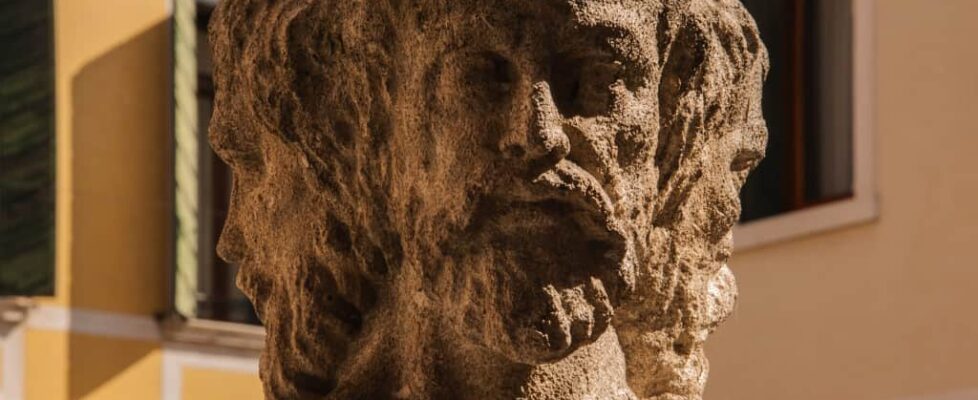
Is March the Best Month to Visit Treviso, Italy?
There is a moment in early March when Treviso exhales.
The last traces of winter fog lift off the Sile River, the market stalls at the Pescheria start filling up with the first spring vegetables, and the city — free of summer crowds, alive with locals going about their daily rituals — reveals itself for what it truly is: one of the most beautiful, most authentic, and most undervisited cities in all of Italy.
I am Igor Scomparin. I was born and raised between Treviso and the Veneto countryside, and I have been guiding travelers through this region professionally since 2007. I have been featured in Rick Steves’ travel guides to Italy since 2008. And every single year, when I look at my booking calendar, I notice the same thing: March is wide open. Almost nobody comes.
That is their loss. And it can be your gain.
Why Everyone Gets the Timing Wrong
Most American travelers plan their Italy trips around the summer months — June, July, August. Some discover the shoulder season and opt for September or October. A few adventurous souls come in April when the tulips bloom in Tuscany.
Almost nobody thinks of March.
And that, honestly, is the single biggest mistake a traveler can make when it comes to the Veneto.
Because while the rest of Italy is either soaked with tourists or still fully in winter hibernation, Treviso in March occupies this magical in-between space. The days are getting longer. The temperatures are mild — typically between 8°C and 15°C (46°F to 59°F), which is crisp and walkable. The city is awake, buzzing with local life, and completely free of the tour groups and selfie sticks that will descend in a few short weeks.
The Streets Belong to the Locals
Here is something I always tell my guests: if you want to understand a city, visit it when the locals are in charge.
In March, Piazza dei Signori belongs entirely to the people of Treviso. The cafés spill their tables onto the cobblestones on the first sunny afternoon. The elderly men play cards under the porticoes of Palazzo dei Trecento. The fruit vendors at the fish market on the island set up before dawn with the same unhurried precision they have used for generations.
(link on “fish market on the island”: https://www.tourleadertreviso.com/trevisos-fish-market-a-morning-ritual-since-1856/)
Nobody is performing for tourists. Nobody is selling you a postcard version of Italy. This is just Treviso, being Treviso.
The Pescheria in March is something you will want to plan your entire morning around. Arrive before 8am if you can. The light on the water, the shouts of the vendors, the smell of the canal in the cold air — it is one of those experiences that stays with you long after you have gone home.
The Radicchio Season Makes Its Final Bow
March opens with one of the great culinary spectacles of the Veneto calendar: the closing weeks of the Radicchio Rosso Tardivo di Treviso IGP season.
This extraordinary vegetable — bitter, tender, shaped like the fingers of an open hand — is one of the most prized ingredients in Italian cuisine. It grows only in this specific area, harvested in late autumn and then forced in cold running spring water until it reaches perfection. The season runs through winter and ends in early March. Which means that if you visit now, you are catching the finale.
The restaurants of Treviso will be serving it grilled, raw in salads, tucked into risotto, layered with taleggio in a pasta sauce that will make you question every life decision that led you away from this table. Local producers bring their last crates to the markets. And in early March, the event Fiori d’Inverno — Flowers of Winter — brings a dedicated market and show cooking to the piazza, celebrating the radicchio with the kind of reverence Italians reserve for their finest products.
If you want to understand why this vegetable matters so deeply to this city, read my piece on why Treviso’s radicchio is worth loving.
(link on “why Treviso’s radicchio is worth loving”: https://www.tourleadertreviso.com/radicchio-di-treviso-why-this-bitter-vegetable-is-worth-loving/)
And if you are wondering whether the festival itself deserves a trip, I explain exactly why in my guide to the Radicchio Festival of Treviso.
(link on “Radicchio Festival of Treviso”: https://www.tourleadertreviso.com/why-trevisos-radicchio-festival-is-worth-planning-your-trip-around/)
The Prosecco Hills Wake Up
Just north of Treviso, the UNESCO-listed hills of Conegliano and Valdobbiadene are stirring back to life in March.
The vineyards, stripped bare through winter, are beginning to show the first green buds on the Glera vines. The cantinas — the family-run wine producers who have been tending these steep, terraced slopes for generations — are opening their doors again for tastings. The air smells of cold earth and something almost electrical, that particular promise that comes before the growing season begins in earnest.
This is a quietly spectacular time to visit the Prosecco Road. There are no tour buses. There are no crowds. There is just you, a glass of Prosecco Superiore DOCG, a winemaker who has time to actually talk to you, and a view over the hills that changes every time the clouds move.
March is genuinely one of my favourite months to bring guests up into those hills. The conversations are different when a cantina is quiet. The winemaker stops rushing. The tasting becomes an education. I have put together a full guide to what lies along the Prosecco Road and beyond the well-known names.
(link on “what lies along the Prosecco Road and beyond the well-known names”: https://www.tourleadertreviso.com/the-locals-guide-to-prosecco-road-beyond-conegliano-and-valdobbiadene/)
A Big Moment for the Veneto: The 2026 Winter Paralympics
March 2026 carries an extra reason to be in the Veneto right now.
From March 6 to 15, the Milano Cortina 2026 Paralympic Winter Games are taking place across the region — and the Veneto is at the very center of it. The Dolomites, just a two-hour drive from Treviso, are hosting the alpine skiing and snowboard events at the Tofane Centre in Cortina d’Ampezzo. The world’s cameras are pointed at this region. International visitors are arriving from every corner of the globe.
And Treviso is playing its own role: Prosecco DOC — born in this very province — is the official sparkling wine of the Games. The Paralympic torch passed through Treviso’s Piazza dei Signori just days before the opening ceremony in Verona.
If you are visiting the Veneto this month, you are arriving at a genuinely historic moment for this part of Italy. For those who want to combine a stay in Treviso with a day in the Dolomites, read my guide to planning a day trip from Treviso to the Dolomites.
(link on “planning a day trip from Treviso to the Dolomites”: https://www.tourleadertreviso.com/from-treviso-to-the-dolomites-planning-your-mountain-escape/)
The Light Is Different in March
Every photographer I have ever guided has said the same thing about March light in Treviso: it is extraordinary.
The low winter angle is gone. The harsh midday brightness of summer has not yet arrived. What you get in March is a soft, golden, almost cinematic quality of light — particularly in the early morning and the hour before sunset — that makes the frescoed facades of the old city glow as if they are lit from within.
The canals reflect the pale blue sky. The cathedral of San Pietro catches the afternoon sun on its stone walls. The narrow calli behind the Pescheria offer alternating shafts of light and deep shadow that make even a phone camera look like serious photography.
For the best routes to walk with a camera in hand, read my guide to Treviso’s canal walks and the routes most tourists miss.
(link on “Treviso’s canal walks and the routes most tourists miss”: https://www.tourleadertreviso.com/a-locals-guide-to-trevisos-canal-walks-the-routes-tourists-miss/)
In March, with the light as it is, I recommend getting out by 7:30 in the morning. You will have the city entirely to yourself.
The Aperitivo Is in Full March Mode
There is a social rhythm to Italian cities that changes with the seasons, and Treviso’s is no exception.
In March, the aperitivo hour — that sacred 6 to 8pm ritual of spritz, cicchetti, and unhurried conversation — moves indoors and outdoors simultaneously. On warmer evenings, the bars along the canal open their windows. The standing-room crowd at the city’s best bacari grows louder and warmer. The spritz flows freely.
Treviso has a strong claim to having perfected the spritz. The local version, made with Aperol or Select and topped with Prosecco, is poured with a generosity you will not find anywhere else. And in March, with the city belonging mostly to locals, you are likely to find yourself the only non-Italian at the bar. That is not a warning. That is an invitation.
Read my piece on the art of the Italian aperitivo and what Treviso taught me about it.
(link on “the art of the Italian aperitivo and what Treviso taught me about it”: https://www.tourleadertreviso.com/the-art-of-the-italian-aperitivo-lessons-from-treviso/)
And if you want to know exactly where to go, I cover all the best spots in my guide to finding the best spritz in Treviso.
(link on “finding the best spritz in Treviso”: https://www.tourleadertreviso.com/where-to-find-the-best-spritz-in-treviso-according-to-a-local/)
What March Feels Like, Practically Speaking
Let me give you the practical picture, because this is the kind of detail that actually makes a trip work.
The weather in March is transitional. You will want layers — a light jacket in the morning, a sweater for the evenings, and a willingness to be pleasantly surprised by the warmth that arrives by early afternoon on sunny days. Rain is possible — this is northeastern Italy, not Sicily — but it rarely lasts long, and a rain shower in Treviso, with its elegant covered porticoes running the length of the main streets, is barely an inconvenience.
Restaurants and osterie are fully open and operating at their normal pace, without the reservation pressure of high season. You can walk into some of the best osterie and bacari in Treviso on a Tuesday evening and find a table without any difficulty whatsoever. That will not be true in June.
(link on “osterie and bacari in Treviso”: https://www.tourleadertreviso.com/the-ultimate-guide-to-trevisos-osterie-and-bacari/)
Hotel prices are lower. The museums are quiet. The streets are yours.
A March Itinerary: How I Would Plan It for You
If I were designing a March trip to Treviso from scratch, here is how I would approach it.
Arrive on a Thursday or Friday morning. Walk the canal district in the afternoon and find routes nobody else takes.
(link on “canal district”: https://www.tourleadertreviso.com/a-locals-guide-to-trevisos-canal-walks-the-routes-tourists-miss/)
Find a bacaro for your first spritz by 6pm. On your first full day, start at the Pescheria at 8am, then spend the morning in the historic center — the Duomo, the Church of San Nicolò, the Loggia dei Cavalieri. Lunch at a trattoria near the walls.
(link on “Pescheria”: https://www.tourleadertreviso.com/trevisos-fish-market-a-morning-ritual-since-1856/)
(link on “the Church of San Nicolò”: https://www.tourleadertreviso.com/trevisos-best-kept-secret-the-church-of-san-nicolo/)
Afternoon: a drive into the Prosecco Hills, a tasting at a family cantina, back in Treviso for dinner.
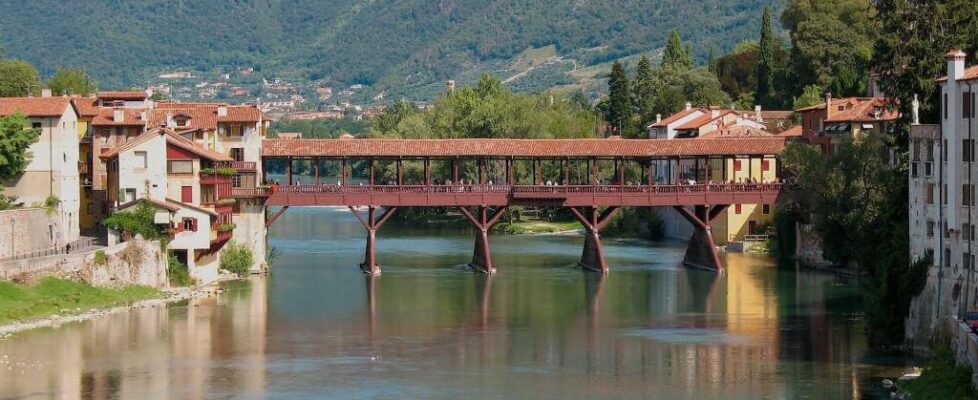
On your second full day, a day trip. Asolo in the morning — the city of a hundred horizons — then a stop at Bassano del Grappa on the way back, with its iconic wooden bridge and its grappa distilleries. Return to Treviso for a slow dinner and a final walk along the Sile as the evening light fades on the water.
(link on “Asolo in the morning”: https://www.tourleadertreviso.com/asolo-the-city-of-a-hundred-horizons-day-trip-from-treviso/)
(link on “Bassano del Grappa”: https://www.tourleadertreviso.com/bassano-del-grappa-history-bridges-and-mountain-views/)
All of this is, of course, infinitely better with a licensed local guide who knows which cantina to visit, which trattoria to book, and which route to take through the hills when the afternoon light is perfect.
Ready to Visit Treviso This March?
I offer fully private, tailor-made tours of Treviso and the surrounding Veneto — walking tours of the city, Prosecco Road excursions, day trips to Asolo, Bassano del Grappa and the Dolomites, private airport transfers from Treviso Canova, and fully customized multi-day itineraries.
Everything I do is 100% private. No shared groups. No rushed itineraries. Just you, the real Treviso, and a guide who has spent his entire career learning to love this place properly.
📩 Get in touch and let’s build your perfect March itinerary together. I will handle every detail — you just have to show up and enjoy it.
February Reflections: What Treviso Teaches You When You Slow Down
My name is Igor Scomparin, and I am a licensed local guide based in the Veneto, working daily between Treviso and Venice. I am the owner of www.tourleadertreviso.com
and www.tourleadervenice.com
, two boutique travel projects built around one idea: places reveal themselves only when you give them time.
February is the month that proves this better than any other.
Not because something special happens—but because very little does.
And in Treviso, that absence is meaningful.
This final February article is not a guide, a list, or a preview.
It is a reflection on what Treviso teaches you when you slow down, and why February is the month when those lessons become clearest.
February Removes the Noise
By late February, everything external has faded.
Holidays are over
Winter tourism has thinned
Spring expectations have not yet arrived
Treviso is no longer responding to visitors or seasons.
It is simply being itself.
This is when the city stops performing.
A City Without Urgency
In February, Treviso moves differently.
Mornings are quieter.
Evenings are earlier.
Conversations last longer.
Nothing feels unfinished—but nothing feels rushed.
This rhythm reveals something important:
Treviso was never meant to be consumed quickly.
Walking Without a Purpose Changes Everything
When there is nothing “to do,” walking becomes observation.
You begin to notice:
How canals reflect winter light
How streets curve instead of align
How people greet each other without stopping
Treviso becomes legible only when it is not competing for your attention.
February allows that.
Food as Continuity, Not Entertainment
Late February food is deeply honest.
No celebration dishes.
No seasonal announcements.
Just continuity.
People eat:
What sustains
What warms
What belongs to this moment
Meals are not experiences.
They are anchors.
This is one of the most overlooked lessons Treviso offers.
Why Silence Matters in Italian Cities
Silence is rare in Italy.
But in Treviso, February silence is not emptiness—it is space.
Space to:
Think
Observe
Reconnect with routine
This silence does not isolate.
It grounds.
Locals Are More Visible When Tourism Is Low
In February, you stop seeing “roles.”
There are no:
Hosts
Sellers
Performers
Only residents.
You see:
How people stand at bars
How they shop
How they walk alone
This is Treviso without adaptation.
Winter Light Teaches You How to Look
Late winter light in Treviso is:
Low
Precise
Honest
It doesn’t flatter buildings.
It reveals proportions.
You understand why Treviso is balanced rather than monumental.
Why it prefers harmony to dominance.
Light explains architecture better than words.
February Is the Month of Belonging
Visitors often ask:
“What is there to do in February?”
The real answer is:
You belong, temporarily.
You are not guided.
You are not entertained.
You are allowed to exist quietly.
Few destinations offer that permission.
Why Slowing Down Feels Uncomfortable at First
Most travelers feel uneasy in February.
There is no:
Schedule
Momentum
Narrative
But once the discomfort passes, something shifts.
You stop asking what’s next
and start asking why this feels right.
That’s the turning point.
Treviso Does Not Reward Efficiency
This is perhaps Treviso’s clearest lesson.
The city gives nothing extra to those who rush.
But it gives depth to those who stay still.
February makes this obvious.
What February Prepares You For
By the end of February, something subtle happens.
You are ready for:
Spring without anticipation
Events without pressure
Movement without urgency
March arrives not as excitement—but as continuation.
Treviso has already taught you how to receive it.
Why This Is the Perfect Article to End February
February is not a beginning.
It is not an ending.
It is a pause with meaning.
Ending the month with reflection rather than recommendation respects Treviso’s character—and the reader’s intelligence.
Final Thoughts: The Gift of an Unremarkable Month
If you remember one thing from this article, remember this:
Treviso in February teaches you that travel does not always need highlights—sometimes it needs honesty.
When nothing asks for your attention, you finally notice what deserves it.
And that is Treviso’s quiet gift at the end of winter.
Frequently Asked Questions
1. Is February too quiet for first-time visitors?
No. It is ideal for travelers who value atmosphere over activities.
2. Will I miss out by visiting before spring?
Only if you expect spectacle. If you seek authenticity, February offers more.
3. Is this a good moment to plan a longer stay?
Yes. February allows you to test rhythm before committing to movement.
If you would like to experience Treviso slowly, thoughtfully, and without performance—or plan a transition from winter calm into spring discovery—feel free to contact us at:
📧 info@tourleadertreviso.com
I’ll be happy to help you discover Treviso not when it is loud—but when it is most honest.
March Preview: Spring Events and Festivals in the Treviso Area
My name is Igor Scomparin, and I am a licensed local guide based in the Veneto, working daily between Treviso and Venice. I am the owner of www.tourleadertreviso.com
and www.tourleadervenice.com
, two boutique travel projects created to help travelers experience Veneto in sync with the calendar, not against it.
March is a transition month—and in Treviso, transitions matter.
Winter does not end abruptly.
Spring does not arrive loudly.
Instead, the city opens slowly, through small events, seasonal markets, agricultural rhythms, and local festivals that rarely make international calendars.
This article is a March preview of spring events and festivals in the Treviso area—not a list of headline acts, but a guide to what actually changes, where locals go, and why March is one of the smartest moments to plan a visit.
Why March Is a Special Month in Treviso
March is when Treviso resets.
Days grow longer
Light softens
Outdoor life cautiously returns
Seasonal food changes
Nothing explodes into activity—but everything begins to move again.
For visitors, this means access without pressure.
Spring Without the Crowds
March is still off-season.
You won’t find:
Large tour groups
Sold-out attractions
Compressed schedules
But you will find:
Functioning markets
Active cultural life
Locals reclaiming public space
March belongs to residents first—and that’s exactly why it’s rewarding.
Markets Change First (Always)
Before festivals appear, markets speak.
In March, Treviso’s markets begin to shift:
Winter vegetables fade
Early spring produce appears
Colors return slowly
This change is subtle—but locals notice immediately.
Markets are the first signal that the season has turned.
Local Spring Sagra Season Begins
March marks the reopening of the sagra calendar—local food and village festivals tied to seasonality.
These events are:
Small
Community-focused
Food-centered
They are not staged for visitors, but visitors are welcome.
Sagras in March often celebrate:
Early spring produce
Local products
Village identity
They are simple—and sincere.
Carnevale’s Final Echoes (Early March)
Depending on the year, Carnevale may spill into early March.
In the Treviso area, Carnevale is:
Family-oriented
Neighborhood-based
Modest compared to Venice
Masks appear briefly, then disappear—without ceremony.
This quiet ending fits Treviso’s character perfectly.
Cultural Programming Reawakens
March is when:
Small exhibitions open
Cultural associations restart activities
Talks, lectures, and concerts resume
These are not blockbuster events—but they are deeply local.
They reflect what Trevigiani are interested in right now.
Spring Walks and Outdoor Events Begin
As weather improves, informal outdoor events return:
Guided nature walks
River and countryside paths reopen socially
Community strolls appear on weekends
These activities often:
Have no online promotion
Are announced locally
Welcome participation without registration
You discover them by being present.
Food Culture Shifts Toward Lightness
March is a culinary turning point.
Heavy winter dishes give way to:
Lighter risotti
Early vegetables
Fresh herbs
Restaurants don’t announce this change.
They simply adjust.
Eating in March means tasting transition—a rare and revealing moment.
Prosecco Hills Begin to Stir
In the hills north of Treviso:
Vineyards wake up
Work resumes
Landscapes shift from brown to green
March is not harvest time—but it is preparation time.
This is when Prosecco country feels most authentic: quiet, agricultural, and focused.
Why March Is Ideal for Curious Travelers
March rewards travelers who:
Observe rather than rush
Accept unpredictability
Enjoy daily life more than events
You won’t “do” Treviso in March.
You’ll live alongside it.
Events Without Advertising
One of the most important things to understand about March in Treviso:
Many events are not advertised online.
They are:
Posted locally
Shared by word of mouth
Known to residents
This means flexibility matters more than planning.
Treviso as a Base in March
March is an excellent month to use Treviso as a base.
From here, you can:
Reach nearby towns easily
Adjust plans based on weather
Avoid congestion everywhere
Everything is accessible—but nothing is crowded.
March and the Return of Outdoor Aperitivo
One of the most pleasant signs of spring:
People start standing outside again.
Aperitivo slowly moves:
From inside to doorways
From bar counters to small outdoor spaces
This shift happens gradually—and locals notice it instinctively.
Why March Is Better Than April for Some Travelers
April brings:
More visitors
More fixed schedules
More expectations
March offers:
Space
Authentic rhythm
Fewer assumptions
For travelers who value atmosphere over agenda, March often feels better.
Planning a March Visit: What to Expect
Be prepared for:
Flexible schedules
Weather variation
Unannounced events
But also expect:
Open museums
Functioning restaurants
Fully active city life
March is not “quiet.”
It is balanced.
How a Local Guide Makes March Meaningful
March is one of the best months to explore with a local guide.
Why?
Context replaces programming
Small events become visible
Seasonal logic becomes clear
Without guidance, March can feel understated.
With it, everything connects.
Final Thoughts: March Is a Beginning, Not a Preview
If you remember one thing from this article, remember this:
March is not waiting for spring—it is already living it.
In the Treviso area, spring doesn’t arrive with fireworks.
It arrives through habits, food, light, and local gatherings.
And if you visit in March, you don’t witness the season.
You enter it.
Frequently Asked Questions
1. Is March a good month to visit Treviso?
Yes. It offers authentic daily life, mild weather, and minimal crowds.
2. Are there major festivals in March?
Mostly small, local events rather than large international festivals.
3. Should I plan specific dates far in advance?
No. Flexibility is more valuable than a fixed schedule in March.
If you would like help planning a March visit to Treviso, discovering local spring events, or building a seasonal itinerary for the coming months in Veneto, feel free to contact us at:
📧 info@tourleadertreviso.com
I’ll be happy to help you experience spring where it begins quietly—exactly the way Treviso does.
The Art of the Italian Aperitivo: Lessons from Treviso
My name is Igor Scomparin, and I am a licensed local guide based in the Veneto, working daily between Treviso and Venice. I am the owner of www.tourleadertreviso.com
and www.tourleadervenice.com
, two boutique travel projects created to help travelers understand Italy through its daily habits—not through staged experiences.
Few Italian words are as misunderstood abroad as aperitivo.
Many visitors imagine:
A pre-dinner drink
A happy hour
A buffet
A social obligation
In Treviso, aperitivo is none of those things—and all of them miss the point.
This article explains the art of the Italian aperitivo, using Treviso as a living classroom. Not rules to memorize, but lessons to observe—because aperitivo is not something you do. It’s something you understand.
What Aperitivo Really Is (Before We Go Further)
Aperitivo is a transition, not an event.
It sits between:
Work and home
Day and evening
Obligation and choice
Its purpose is not to eat, drink, or socialize excessively—but to pause.
In Treviso, aperitivo exists to soften the edges of the day.
Why Treviso Is the Perfect Place to Learn Aperitivo
Treviso is not theatrical.
It doesn’t exaggerate habits.
It doesn’t perform tradition.
It doesn’t adapt rituals for visitors.
That makes it the ideal place to observe aperitivo in its most honest form—quiet, social, and unforced.
Timing Matters More Than the Drink
In Treviso, aperitivo happens:
Between 5:30 and 7:30 PM
Rarely earlier
Rarely later
Arrive too early and it feels premature.
Arrive too late and the moment has passed.
Aperitivo respects the rhythm of the day. It never interrupts it.
The Drink Is Secondary
This surprises many people.
In Treviso, aperitivo is not defined by what you drink.
Locals may choose:
A Spritz
A glass of Prosecco
Wine
Beer
Even something non-alcoholic
The drink adapts to the person, not the other way around.
What matters is the pause—not the glass.
Standing Is Not an Accident
One of the most important lessons from Treviso: standing is intentional.
Most locals:
Stand at the bar
Lean slightly
Keep posture open
Standing:
Encourages conversation
Discourages lingering too long
Keeps aperitivo light
Sitting turns aperitivo into something else. Standing preserves its purpose.
Cicchetti: Enough to Accompany, Never to Replace
Food during aperitivo is not dinner.
In Treviso, it is:
Small
Simple
Optional
You might see:
Olives
Crostini
Small bites
Cicchetti exist to support the drink—not compete with the meal that follows.
If you’re full afterward, something went wrong.
Conversation Over Consumption
Aperitivo is a social filter.
People come to:
Exchange a few words
Share a thought
Acknowledge the day
Not to:
Tell long stories
Sit for hours
Perform
This is why aperitivo feels light and energizing rather than tiring.
Why Locals Rarely Say “Let’s Go for Aperitivo”
Another subtle detail.
Locals don’t plan aperitivo days in advance.
It happens because:
You run into someone
Work ends at the same time
The day calls for it
Aperitivo is often spontaneous—and that spontaneity is part of its charm.
Aperitivo Is Not About Groups
Large groups change the dynamic.
In Treviso, aperitivo works best:
Alone
In pairs
In very small groups
This keeps conversation fluid and allows people to join or leave without pressure.
Aperitivo welcomes movement.
Why Aperitivo Is Not Happy Hour
The comparison is tempting—and wrong.
Aperitivo is not about:
Discounts
Quantity
Consumption
There are no promotions.
No urgency.
No incentives.
You pay for quality and context—not volume.
Season Changes Aperitivo
In Treviso, aperitivo adapts to the season.
Summer: lighter drinks, outdoor standing
Autumn: wine-focused, slower pace
Winter: earlier timing, warmer interiors
Spring: transitional, social
The ritual stays the same. The expression changes.
Aperitivo as a Social Skill
Aperitivo teaches Italians:
How to arrive without obligation
How to leave without explanation
How to converse briefly
How to share space respectfully
These are not rules—but instincts built over time.
Why Tourists Often Feel Awkward
Visitors struggle with aperitivo because they:
Sit too quickly
Order too much
Stay too long
Expect structure
Aperitivo has none.
Once you stop trying to “do it right,” it starts working.
The Role of Familiar Places
Locals return to the same bars.
Not because they’re “the best,” but because:
They know the rhythm
The staff recognizes them
The environment feels neutral
Aperitivo thrives on familiarity, not novelty.
Aperitivo Ends Naturally
This is crucial.
There is no formal ending.
People:
Finish their drink
Say goodbye
Move on
No ceremony. No conclusion.
Aperitivo fades—just like the day.
What Aperitivo Teaches About Italian Life
From Treviso, one lesson stands out:
Life is not divided into events—it flows through moments.
Aperitivo is one of those moments. Brief, meaningful, and unrepeatable.
Experiencing Aperitivo with a Local Guide
As a local guide, I don’t schedule aperitivo.
I let it happen.
Guests often say:
“It felt natural.”
That’s the highest compliment aperitivo can receive.
Final Thoughts: Learn the Pause, Not the Drink
If you remember one thing from this article, remember this:
Aperitivo is not about alcohol—it’s about permission to stop.
Treviso teaches this lesson quietly, without explanation, every evening.
If you let it, aperitivo will teach you something too.
Frequently Asked Questions
1. Can I have aperitivo every day in Treviso?
Yes—but only if it remains light and unforced.
2. Do I need to order food during aperitivo?
No. Food is optional and secondary.
3. Is aperitivo only for social people?
Not at all. Many locals enjoy it alone.
If you would like to experience aperitivo the way locals do—naturally, without choreography—or design a slow cultural itinerary in Treviso or Venice, feel free to contact us at:
📧 info@tourleadertreviso.com
I’ll be happy to help you understand Italy through its quietest—and most revealing—rituals.
Padua from Treviso: Giotto, Saints, and the Oldest Botanical Garden
My name is Igor Scomparin, and I am a licensed local guide based in the Veneto, working daily between Treviso and Venice. I am the owner of www.tourleadertreviso.com
and www.tourleadervenice.com
, two boutique travel projects created to help travelers experience Veneto as a connected cultural landscape—not a series of isolated highlights.
From Treviso, one of the most meaningful day trips you can take is to Padua.
Padua is not a city you skim.
It is a city you enter—intellectually, spiritually, and historically.
This article explains how to visit Padua from Treviso, why Giotto, saints, and science coexist so naturally here, and how to experience the city without turning it into a checklist.
Why Padua Matters in Veneto
Padua is one of the intellectual pillars of northern Italy.
For centuries, it has been a city of:
Learning
Faith
Debate
Experimentation
While Venice looked outward to the sea, Padua looked inward—toward ideas, medicine, theology, and art.
Understanding Padua helps you understand the mind of Veneto.
Getting from Treviso to Padua
Padua is easy to reach from Treviso.
Train time: approximately 1 hour
Frequent connections
Arrival: Padua station, walkable to the historic center
No car is necessary.
The journey is smooth, direct, and ideal for a full-day visit.
Giotto and the Birth of Modern Painting
Padua holds one of the most important turning points in Western art history.
That moment lives inside the Scrovegni Chapel, painted by Giotto in the early 14th century.
Giotto did something revolutionary:
He gave weight to bodies
Emotion to faces
Space to scenes
Painting moved from symbolic to human.
Everything that follows in Renaissance art begins here.
Why the Scrovegni Chapel Is Not “Just Another Church”
The Scrovegni Chapel is:
Small
Controlled
Intense
It is not designed for crowds or speed.
Inside, the frescoes form a complete narrative—from life to death, hope to judgment. You don’t observe them individually. You absorb them as a whole.
This is why access is limited and timed.
Giotto demands attention, not admiration.
Padua as a City of Saints
Padua is also inseparable from Saint Anthony of Padua.
Unlike many religious cities, devotion here is not distant or symbolic. It is active.
People come to Padua:
To pray
To ask
To give thanks
The presence of Saint Anthony is not historical—it is living.
The Basilica of Saint Anthony: Faith in Motion
The Basilica of Saint Anthony is not quiet.
It is:
Constantly visited
Actively used
Deeply emotional
You will see:
Locals lighting candles
Pilgrims kneeling
People passing through quickly but intentionally
This is not a museum. It is a functioning spiritual center.
Why Padua Balances Faith and Reason
What makes Padua unique is not that it has saints and scholars—but that it embraces both equally.
This balance is embodied in:
Its university
Its hospitals
Its churches
Faith and science here grew side by side, not in opposition.
Europe’s Oldest Botanical Garden
Padua is home to the Orto Botanico di Padova, the oldest academic botanical garden in the world, founded in 1545.
It was created to:
Study medicinal plants
Teach medical students
Advance scientific knowledge
This garden represents Padua’s commitment to observation, experimentation, and learning.
Why the Botanical Garden Still Matters Today
The Orto Botanico is not just historical.
It remains:
A research center
A living archive
A symbol of continuity
Plants are arranged not for decoration, but for understanding.
It is one of the clearest expressions of Padua’s scientific soul.
Walking Padua: A City Built for Thought
Padua is flat, spacious, and walkable.
As you move through it, you notice:
Arcaded streets
Large piazzas
Long visual axes
This architecture supports conversation, teaching, and gathering.
Padua feels designed for minds at work.
The University City Atmosphere
Founded in 1222, the University of Padua shaped the city profoundly.
You still feel it:
In cafés
In bookstores
In mixed-age crowds
Students and professors coexist with pilgrims and residents.
This mix keeps Padua intellectually alive.
Food in Padua: Functional and Regional
Padua’s food culture reflects its academic nature.
Meals are:
Nourishing
Practical
Regional
Expect:
Simple pastas
Rice dishes
Seasonal vegetables
Food supports the day—it doesn’t dominate it.
How Much Time You Need in Padua
Padua deserves a full day.
Trying to compress:
Giotto
Saint Anthony
The botanical garden
into a half day turns depth into stress.
Padua rewards patience.
Common Mistakes Visitors Make
From experience, visitors often:
Only see the Scrovegni Chapel
Rush between highlights
Ignore the city in between
Padua lives in its continuity—not just its monuments.
Padua and Treviso: A Powerful Combination
Treviso offers:
Daily rhythm
Quiet beauty
Food and water
Padua offers:
Ideas
Faith
Knowledge
Together, they represent two essential sides of Veneto life.
One feeds the body.
The other feeds the mind.
Why a Local Guide Changes Padua Completely
Padua is rich—but complex.
With a local guide, you gain:
Context between sites
Historical connections
A readable narrative
Without guidance, Padua can feel overwhelming.
With it, everything aligns.
Final Thoughts: A City That Thinks Deeply
If you remember one thing from this article, remember this:
Padua is not a city you visit for beauty alone—it’s a city you visit to understand how Europe learned to think differently.
From Giotto’s humanity to Saint Anthony’s devotion, from medicine to botany, Padua shows how art, faith, and science can grow together.
As a day trip from Treviso, it is not just convenient—it is essential.
Frequently Asked Questions
1. Is Padua suitable for a day trip from Treviso?
Yes, a full day allows you to experience its main cultural layers without rushing.
2. Do I need to book the Scrovegni Chapel in advance?
Yes. Reservations are required and strongly recommended.
3. Is Padua very religious?
It is both religious and academic—this balance defines the city.
If you would like help planning a day trip to Padua from Treviso, booking Giotto’s frescoes, or designing a cultural itinerary combining Treviso, Padua, and Venice, feel free to contact us at:
📧 info@tourleadertreviso.com
I’ll be happy to help you experience Padua not as a list of monuments—but as a city where ideas, faith, and observation still meet.
Treviso’s Craft Beer Revolution: From Wine Country to Hop Heaven
My name is Igor Scomparin, and I am a licensed local guide based in the Veneto, working daily between Treviso and Venice. I am the owner of www.tourleadertreviso.com
and www.tourleadervenice.com
, two boutique travel projects created to help travelers understand how Veneto evolves—without losing its roots.
If someone had told a Trevigiano twenty years ago that Treviso would become a serious craft beer destination, the reaction would have been skeptical at best.
This is wine country.
This is Prosecco land.
This is a place where tradition matters.
And yet, quietly and without noise, Treviso has experienced a craft beer revolution—one that didn’t replace wine, but grew alongside it.
This article explains how Treviso went from wine-only identity to hop-friendly culture, why the change feels natural rather than forced, and how locals actually drink craft beer today.
Why Craft Beer Took Root in Treviso
The rise of craft beer in Treviso was not a rebellion.
It was an extension.
Treviso already had:
Agricultural knowledge
Fermentation culture
Respect for raw materials
A habit of drinking locally
Beer did not arrive as a novelty. It arrived as another expression of craftsmanship.
That difference matters.
From Wine Logic to Beer Thinking
Trevigiani already understood:
Terroir
Seasonality
Balance
Moderation
These concepts translated easily into craft beer.
Local drinkers didn’t ask:
“Is this strong?”
They asked:
“Is this well made?”
That mindset allowed quality beer to grow without resistance.
Why This Happened Quietly (On Purpose)
Unlike other cities, Treviso didn’t brand itself as a beer destination.
There were no:
Festivals designed for hype
Loud marketing campaigns
Sudden “beer districts”
Instead, craft beer appeared:
In small bars
Alongside wine
In everyday contexts
It integrated rather than interrupted.
The Influence of Veneto’s Food Culture
Treviso’s food culture shaped its beer scene immediately.
Local craft beer developed to:
Pair with food
Complement aperitivo
Sit comfortably at the table
Beers here tend to be:
Balanced
Drinkable
Thoughtful
Extreme bitterness and novelty styles never dominated.
Food comes first. Always.
Craft Beer and Aperitivo: A Natural Match
One of the key moments in Treviso’s beer revolution was aperitivo.
Locals began choosing:
A craft lager instead of wine
A hoppy pale ale with cicchetti
A dark beer in winter evenings
Beer entered the same social space as wine—not as competition, but as choice.
Why Wine Was Never Replaced
This is crucial to understand.
Craft beer did not replace wine in Treviso.
Wine remains:
Cultural
Daily
Identitarian
Beer became:
Situational
Seasonal
Personal
Locals choose based on mood, food, and moment—not ideology.
Seasonality in Treviso’s Beer Scene
Just like food and wine, beer here follows seasons.
You’ll notice:
Lighter beers in summer
Darker, maltier styles in winter
Experimental batches tied to availability
Drinking craft beer year-round doesn’t mean drinking the same beer year-round.
That seasonal awareness feels very Trevigiano.
Where Craft Beer Lives in Treviso
Craft beer in Treviso is not concentrated in one area.
You find it:
In neighborhood bars
In mixed wine-and-beer spaces
In places locals already frequent
This decentralization keeps it authentic.
You don’t go “out for craft beer.”
You encounter it naturally.
Who Drinks Craft Beer in Treviso
Not just young people.
You’ll see:
Professionals after work
Older locals curious and informed
Couples sharing a glass
Solo drinkers reading or thinking
Craft beer here is not a trend—it’s a habit.
Quality Over Quantity
One defining trait of Treviso’s beer culture is restraint.
Locals:
Drink fewer beers
Choose more carefully
Value consistency
Flights and over-tasting are rare.
Beer is enjoyed—not collected.
Craft Beer and Local Identity
Treviso’s craft beer scene reflects the city itself:
Quiet
Serious
Unpretentious
Rooted in quality
No one is trying to prove anything.
That confidence makes all the difference.
Why Tourists Are Often Surprised
Visitors expect:
Only wine
Only Prosecco
Limited beer culture
What they find instead is:
Informed choices
Well-kept taps
Knowledgeable staff
Beer that fits the place
Surprise turns into appreciation quickly.
Craft Beer vs Industrial Beer
Treviso’s craft beer success also comes from rejection of excess.
Industrial beer never disappeared—but it stopped being the default.
People learned to:
Ask questions
Taste differences
Pay a bit more for quality
Education happened organically, not through campaigns.
Winter Evenings and Dark Beers
Winter in Treviso is when craft beer truly shines.
Cold evenings invite:
Stouts
Porters
Strong ales
These beers fit the season just as naturally as radicchio fits winter menus.
Beer becomes comforting rather than refreshing.
Craft Beer and the Future of Drinking in Treviso
The future here is not about expansion.
It’s about:
Stability
Quality
Local loyalty
Craft beer has earned its place—not by shouting, but by belonging.
Experiencing Treviso’s Beer Scene Like a Local
To experience craft beer properly in Treviso:
Don’t search for “the best”
Don’t rush tastings
Let the place guide you
Ask what fits the moment
That’s how locals do it.
Final Thoughts: Evolution Without Noise
If you remember one thing from this article, remember this:
Treviso didn’t become a craft beer city by changing who it is—but by extending what it already was.
From wine country to hop-friendly culture, the transition feels natural, measured, and honest.
And that’s why it works.
Frequently Asked Questions
1. Is Treviso better for wine or craft beer lovers?
Both. Wine defines identity, beer expands choice.
2. Can I find craft beer year-round in Treviso?
Yes, with seasonal variation.
3. Is Treviso’s craft beer scene tourist-focused?
No. It exists primarily for locals—which is why it’s so good.
If you would like to explore Treviso’s evolving food and drink culture with a local guide—combining wine, craft beer, markets, and daily life—feel free to contact us at:
📧 info@tourleadertreviso.com
I’ll be happy to help you understand Treviso not as a trend—but as a place that evolves quietly, and with purpose.
Bassano del Grappa: History, Bridges, and Mountain Views
My name is Igor Scomparin, and I am a licensed local guide based in the Veneto, working daily between Treviso and Venice. I am the owner of www.tourleadertreviso.com
and www.tourleadervenice.com
, two boutique travel projects created to help travelers understand Veneto through places that are lived in, not staged.
If Treviso teaches balance and rhythm, Bassano del Grappa teaches perspective.
Set where the Venetian plain meets the mountains, Bassano is a city shaped by history, bridges, and views—not as postcard clichés, but as elements that define daily life. It is a place where war memory, craftsmanship, river culture, and alpine geography coexist naturally.
This guide explains why Bassano del Grappa is far more than a famous bridge or a name on a bottle—and why it makes one of the most meaningful day trips from Treviso.
A City at the Edge of Two Worlds
Bassano del Grappa sits at a natural threshold.
Behind it rise:
The Prealps
Mountain valleys
Cold air and forests
In front of it stretch:
Rivers
Farmland
The Venetian plain
This position has shaped Bassano’s role for centuries—as a meeting point between mountain and lowland cultures.
You feel this immediately when you walk the city.
Why Bassano’s History Feels So Present
Bassano does not separate its past from its present.
History here is:
Written on buildings
Remembered in names
Embedded in daily habits
From medieval trade to World War memory, Bassano carries its past quietly—without turning it into spectacle.
The Brenta River: Bassano’s Backbone
The Brenta is not decoration in Bassano—it is structure.
The river:
Shaped trade routes
Powered mills
Defined defense
Created identity
Bassano exists because of the Brenta, not beside it.
Locals walk along it not for views, but because it is part of the city’s circulation.
Ponte degli Alpini: More Than a Bridge
The symbol everyone recognizes is the Ponte degli Alpini, also known as Ponte Vecchio.
Designed by Andrea Palladio, the bridge is famous—but what matters most is why.
It was built to be:
Functional
Rebuildable
Flexible
Over centuries, it has been destroyed and rebuilt multiple times—especially during wars.
The bridge represents resilience, not perfection.
The Alpini and Collective Memory
Bassano is inseparable from the Alpini, Italy’s mountain troops.
The bridge is a place of:
Remembrance
Identity
Shared memory
This is why it feels different from tourist monuments.
People pause here not to photograph—but to reflect.
Walking Bassano: Compact and Layered
Bassano is ideal on foot.
Within a short walk you encounter:
Medieval streets
Renaissance façades
River views
Mountain backdrops
The city reveals itself in layers, not highlights.
If you rush, you miss the transitions—and those transitions are the story.
Bassano and Craft Tradition
Bassano has long been a center of craftsmanship.
Historically known for:
Printing
Ceramics
Woodwork
Distillation
This tradition explains why production and quality still matter here more than branding.
The city values making as much as showing.
Why Bassano Became Italy’s Grappa Capital
The connection between Bassano and grappa is practical, not romantic.
Located between:
Vineyards of the plain
Cold mountain water
Trade routes
Bassano became the ideal place to refine distillation.
Grappa here developed from necessity into expertise—slowly and seriously.
Views That Change with Every Step
One of Bassano’s greatest gifts is how often the landscape opens.
From the historic center, you glimpse:
The Brenta flowing below
Hills beyond rooftops
Mountains framing the horizon
Unlike hill towns, Bassano does not isolate itself above the land.
It remains connected to it.
Bassano in Different Seasons
Each season reshapes the city.
Spring: clear air and flowing water
Summer: mountain breezes and long evenings
Autumn: reflection and color
Winter: silence, clarity, and depth
There is no wrong moment—only different moods.
Food Culture: Grounded and Honest
Bassano’s cuisine reflects its position between plain and mountain.
Expect:
Polenta
Cheeses
Seasonal vegetables
Simple meat dishes
Meals are filling, but never excessive.
Food here sustains—it doesn’t distract.
Why Bassano Feels Authentic
Bassano works because:
People live in the center
Shops serve locals
Traditions remain functional
It has not been redesigned for visitors.
You step into a city that already exists.
Common Visitor Mistakes
From experience, visitors often:
Only visit the bridge
Skip the streets beyond
Rush through on tight schedules
Bassano needs time—even a few unplanned minutes make a difference.
Bassano and Treviso: A Perfect Contrast
Treviso offers:
Water and rhythm
Markets and calm
Bassano offers:
Height and memory
Structure and perspective
Together, they explain Veneto’s balance between land, water, and mountain.
Why a Local Guide Changes the Experience
Bassano is easy to see—but harder to understand.
With a local guide, you gain:
Historical context
Meaning behind symbols
Connection between city and landscape
Suddenly, Bassano becomes personal.
Final Thoughts: A City That Stands Firm
If you remember one thing from this guide, remember this:
Bassano del Grappa is not a place you pass through—it’s a place that holds its ground.
Between river and mountain, past and present, function and beauty, Bassano stands steady.
That quiet strength is what stays with you.
Frequently Asked Questions
1. Is Bassano del Grappa suitable for a day trip from Treviso?
Yes. It’s an ideal full-day or relaxed half-day excursion.
2. Is the famous bridge free to access?
Yes. It is a public bridge, open to everyone.
3. Is Bassano very touristy?
No. It attracts visitors, but daily life remains dominant.
If you would like help planning a day trip to Bassano del Grappa, combining it with mountain views, cultural walking, or a wider Veneto itinerary from Treviso or Venice, feel free to contact us at:
📧 info@tourleadertreviso.com
I’ll be happy to help you experience Bassano del Grappa not just as a destination—but as a place with weight, memory, and perspective.