blog
My name is Igor Scomparin, and I am a licensed local guide based in the Veneto, working daily between Treviso and Venice. I am the owner of www.tourleadertreviso.com
and www.tourleadervenice.com
, two boutique travel projects created to help travelers experience Northern Italy when it feels most authentic—not when it is most crowded.
Many travelers assume winter is a compromise.
Locals know better.
If you ask people who live here when Treviso feels most itself, many will answer without hesitation:
February.
This article explains why Treviso in winter—and especially in February—is the best time to visit, what changes in the city during this season, and why travelers who come now often leave with a deeper connection than those who visit at any other time of year.
February in Treviso: The City at Its Quietest
February is not empty—but it is calm.
The rush of Christmas is gone.
Spring tourism has not started.
The city returns to its natural rhythm.
In February, Treviso feels:
Lived-in
Unhurried
Balanced
You are not navigating around visitors. You are moving with locals.
Why Winter Suits Treviso Perfectly
Treviso is not a city that relies on spectacle.
Its beauty lies in:
Water
Proportion
Daily habits
Subtle details
Winter enhances all of this.
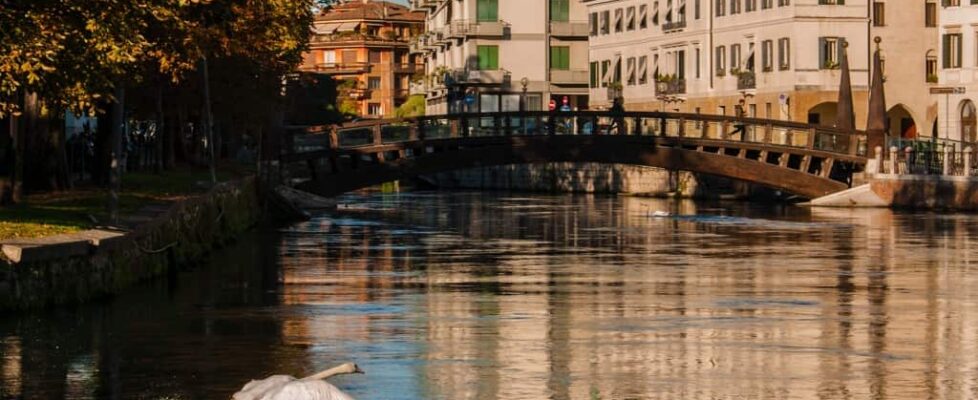
Cold air sharpens reflections in canals.
Silence highlights architecture.
Shorter days encourage intimacy rather than movement.
Treviso was made for winter.
Fewer Visitors, Real Life
In February:
You don’t queue
You don’t rush
You don’t compete for space
Cafés are filled with regulars.
Markets function normally.
Restaurants cook for locals, not volume.
This is Treviso without adaptation.
The Perfect Season for Food Lovers
Winter is when Treviso’s cuisine becomes most expressive.
February is peak season for:
Radicchio di Treviso
Risotti
Hearty vegetable dishes
Polenta
Slow cooking
Menus are seasonal, confident, and honest.
Nothing is decorative. Everything has a reason.
Radicchio Season at Its Best
If radicchio defines Treviso, February is when it shines.
The cold has:
Refined its bitterness
Improved texture
Deepened flavor
Locals talk about radicchio the way others talk about wine vintages.
To taste Treviso properly, you need winter.
Aperitivo Feels More Intimate in Winter
In summer, aperitivo is social and outward.
In winter, it is:
Closer
Warmer
Slower
People gather earlier. Conversations last longer. Bars feel like extensions of living rooms.
A glass of wine or a Spritz in February feels intentional—not automatic.
Walking the City Without Distraction
February is ideal for walking Treviso.
Why?
Cool temperatures
Clear air
Fewer people
You notice:
Painted houses
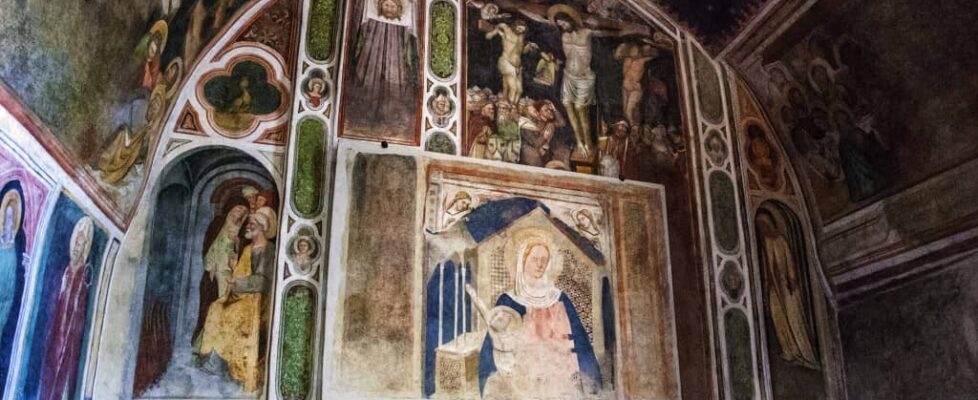
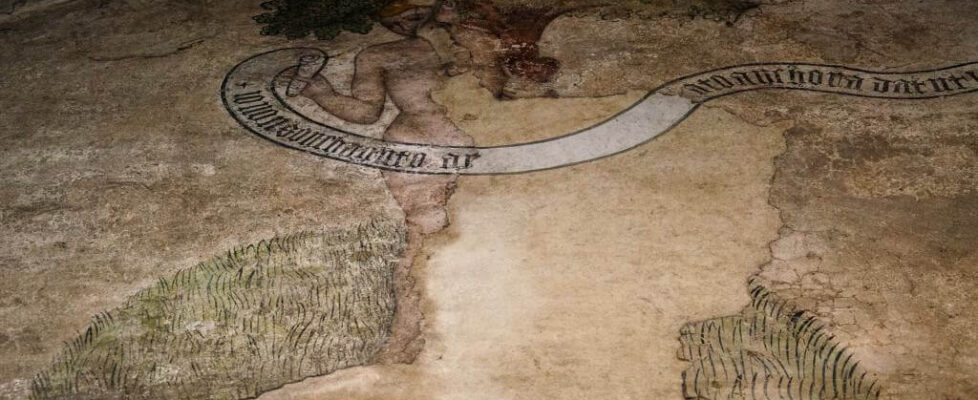
Medieval fresco fragments
Reflections in canals
Architectural details
The city becomes legible.
Museums, Churches, and Quiet Spaces
Winter is the best time for Treviso’s interior spaces.
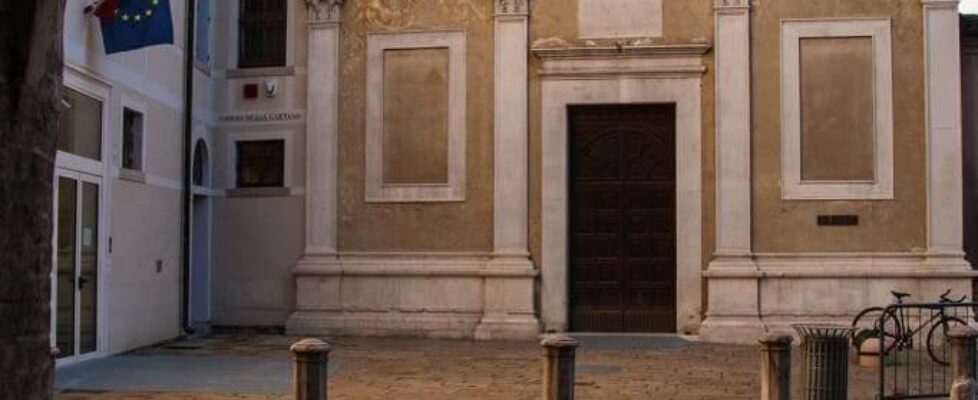
Places like the Church of San Nicolò feel especially powerful in winter light—calm, spacious, and contemplative.
You are not observing from the outside.
You are participating in the space.
Markets Function Normally (And That Matters)
In February, Treviso’s markets are not staged for visitors.
They are:
Practical
Efficient
Seasonal
You see what people actually eat—not what looks good for photos.
This is invaluable if you want to understand daily life.
Winter Light and the Canals
February light is one of Treviso’s best-kept secrets.
It is:
Low
Soft
Reflective
Canals mirror houses and sky with unusual clarity. Early morning and late afternoon walks feel cinematic without trying to be.
What February Lacks—and Why That’s Good
February has:
No major festivals
No event tourism
No pressure to “do” anything
This absence creates space.
You don’t attend Treviso.
You live in it, briefly.
Weather: What to Expect (Honestly)
February is:
Cool
Occasionally foggy
Rarely extreme
Snow is uncommon. Rain is possible. Temperatures are manageable with proper clothing.
Locals don’t cancel plans for winter weather—they adjust.
Why February Visitors Leave More Connected
People who visit Treviso in February often say the same thing:
“It felt real.”
That’s because:
Nothing was performed
Nothing was rushed
Nothing was adapted for them
They met Treviso on its own terms.
Winter as a Mindset, Not a Season
Visiting Treviso in February requires a shift:
From checklist to observation
From activity to presence
From highlights to habits
Those who embrace this mindset are rewarded deeply.
Experiencing Winter Treviso with a Local Guide
As a local guide, February is one of my favorite months to walk the city.
Guests notice more.
Ask better questions.
Slow naturally.
Treviso reveals itself best when it’s not trying to impress.
Final Thoughts: February Is Not a Compromise
If you remember one thing from this article, remember this:
February is when Treviso stops performing and starts being itself.
Quiet streets.
Seasonal food.
Clear light.
Real rhythm.
If you want to understand Treviso—not just visit it—winter is the moment. And February is its heart.
Frequently Asked Questions
1. Is Treviso worth visiting in February?
Absolutely. February offers authenticity, calm, and the best seasonal food.
2. Will things be closed in winter?
No. Treviso functions normally year-round.
3. Is February too cold for walking?
Not at all. It’s one of the most comfortable months for exploring on foot.
If you would like help planning a winter visit to Treviso, designing a slow seasonal itinerary, or combining Treviso with Venice and the Veneto countryside, feel free to contact us at:
📧 info@tourleadertreviso.com
I’ll be happy to help you experience Treviso when it is quiet, honest, and entirely itself.
Asolo: The “City of a Hundred Horizons” (Day Trip from Treviso)
My name is Igor Scomparin, and I am a licensed local guide based in the Veneto, working daily between Treviso and Venice. I am the owner of www.tourleadertreviso.com
and www.tourleadervenice.com
, two boutique travel projects designed to help travelers experience Veneto through places that are lived in—not performed.
If you’re looking for a day trip from Treviso that feels poetic rather than touristic, Asolo is the answer locals quietly give.
Known as the “City of a Hundred Horizons,” Asolo is not about ticking sights. It’s about perspective—how the land opens, how the light shifts, and how silence can be as expressive as architecture.
This guide explains why Asolo makes a perfect day trip from Treviso, how locals experience it, and how to avoid treating it like a postcard.
Why Asolo Is Different from Other Hill Towns
Asolo doesn’t sit on top of a hill like many fortified towns.
It leans into the hills.
Streets curve rather than climb. Views appear unexpectedly. The town reveals itself slowly, often between turns.
This gentle relationship with the landscape is what earned Asolo its nickname: a hundred horizons—not one dominant viewpoint, but many quiet ones.
How Far Is Asolo from Treviso?
Asolo is approximately 1 hour from Treviso by car.
The route passes through:
Vineyards
Small villages
Rolling foothills
Public transport is possible, but a car allows:
Flexible timing
Scenic stops
Easier access to viewpoints
Asolo is best approached without hurry.
A Town Shaped by Culture, Not Commerce
Asolo has long attracted writers, artists, and thinkers—not merchants or mass tourism.
It became especially significant under Caterina Cornaro, former Queen of Cyprus, who made Asolo her court in the late 15th century. Under her patronage, Asolo became a center of refined culture, philosophy, and conversation.
That legacy remains.
Asolo feels contemplative rather than commercial.
Walking Asolo: The Only Way to Experience It
Asolo is not large—but it is layered.
Locals experience it on foot:
Slowly
Without a route
With frequent pauses
You don’t “walk to” things in Asolo.
You walk through them.
Let streets pull you upward and outward. The views will come.
The Castle and the Idea of Protection
Above Asolo stands the Rocca—not dramatic, not imposing.
It doesn’t dominate the town.
It watches over it.
The presence of the castle is symbolic rather than theatrical, reinforcing the idea that Asolo was meant to be protected, not displayed.
The view from above explains the town’s relationship with the land better than any guidebook.
Asolo’s Views: Why They Feel Endless
From Asolo, the land opens toward:
The Venetian plain
The Prealps
Distant horizons
Because Asolo sits between mountains and lowlands, the views are never fixed. Light and weather constantly change them.
This is why locals say Asolo is never the same town twice.
Food in Asolo: Simple, Regional, Unforced
Asolo’s food culture mirrors its character.
Expect:
Regional dishes
Seasonal ingredients
Calm service
Honest portions
Meals here are not events. They are extensions of the day.
Lunch is unhurried. Aperitivo is quiet. Dinner is intimate.
Asolo Is Best Without a Checklist
Visitors who enjoy Asolo most are those who:
Don’t rush
Don’t over-plan
Don’t ask “what’s next?”
Asolo doesn’t reward efficiency.
It rewards presence.
Sit on a bench. Look outward. Let the town pass around you.
Why Asolo Is Ideal for a Half or Full Day
Asolo works beautifully as:
A relaxed half-day escape
A full-day slow visit
What matters is not duration—but pace.
Even a few hours can feel restorative if you let go of urgency.
Common Mistakes Visitors Make in Asolo
From experience, avoid:
Treating Asolo as a photo stop
Rushing to the “top” only
Visiting at peak midday hours
Ignoring side streets
The town lives in its in-between spaces.
Asolo and Treviso: A Natural Pair
Treviso offers:
Water
Markets
Daily rhythm
Asolo offers:
Height
Perspective
Reflection
Together, they show two complementary faces of Veneto—one horizontal, one vertical.
This balance is deeply satisfying.
The Best Time to Visit Asolo
Asolo shines year-round, but especially:
Spring: fresh air and soft light
Autumn: color, quiet, and depth
Summer can be warm, winter very peaceful.
There is no wrong season—only different moods.
Why Locals Return to Asolo Again and Again
Asolo is not something you “see once.”
Locals return because:
It calms them
It resets perspective
It never feels finished
That’s the mark of a meaningful place.
Experiencing Asolo with a Local Guide
With context, Asolo becomes more than a pretty town.
As a local guide, I help visitors:
Understand its cultural role
Read the landscape
Find quiet viewpoints
Avoid superficial stops
Suddenly, Asolo feels personal.
Final Thoughts: A Town That Teaches You to Look Outward
If you remember one thing from this guide, remember this:
Asolo is not about looking at buildings—it’s about looking beyond them.
The City of a Hundred Horizons invites you to lift your gaze, slow your steps, and let the land speak.
As a day trip from Treviso, it’s not just convenient—it’s transformative.
Frequently Asked Questions
1. Is Asolo suitable for a day trip without a car?
Yes, but a car makes the experience smoother and more flexible.
2. Is Asolo crowded like other Italian hill towns?
No. It remains calm, even during busier seasons.
3. Do I need a guide to enjoy Asolo?
Not strictly, but context adds depth—especially to its cultural history.
If you would like help planning a day trip to Asolo from Treviso, combining it with countryside walks, or designing a slow itinerary through Veneto, feel free to contact us at:
📧 info@tourleadertreviso.com
I’ll be happy to help you discover Asolo the way locals do—quietly, thoughtfully, and with time to look beyond the horizon.
The Sile River: Treviso’s Natural Treasure
My name is Igor Scomparin, and I am a licensed local guide based in the Veneto, working daily between Treviso and Venice. I am the owner of www.tourleadertreviso.com
and www.tourleadervenice.com
, two boutique travel projects dedicated to helping travelers understand Northern Italy through its landscapes, rhythms, and quiet, everyday wonders.
If Treviso has a soul outside its walls, it flows gently just beyond them.
That soul is the Sile—a river so calm, so clear, and so integrated into daily life that many visitors underestimate it completely.
This article explains why the Sile River is Treviso’s natural treasure, how locals use it, why it matters ecologically and historically, and how to experience it without turning it into an attraction.
A River Unlike Any Other in Italy
The Sile is not dramatic.
It doesn’t rush.
It doesn’t roar.
It doesn’t carve cliffs or demand attention.
Instead, it glides.
The Sile is Italy’s longest spring-fed river, born not from mountains but from underground resurgences that keep its water:
Clear
Cold
Constant
This unique origin defines everything about it—from biodiversity to human use.
Why the Sile Matters to Treviso
Treviso exists because of water.
The Sile and its branches:
Supplied fresh water
Powered mills
Irrigated fields
Enabled trade
While canals shape the city visually, the Sile sustains it quietly, just outside the historic center.
It has always been a working river, not a decorative one.
From Springs to Lagoon: A Living Corridor
The Sile flows from inland Veneto toward the Venetian Lagoon, creating a continuous ecological corridor.
Along its path, you’ll find:
Wetlands
Meadows
Forested banks
Agricultural land
This continuity allows wildlife to thrive and landscapes to remain connected—rare in heavily developed regions.
The Sile as a Protected Environment
Much of the river is protected within the Parco Naturale Regionale del Fiume Sile.
This protection ensures:
Controlled development
Preservation of habitats
Respect for slow tourism
You won’t find resorts or loud infrastructure here—and that’s intentional.
How Locals Use the Sile
Locals don’t “visit” the Sile.
They:
Walk along it
Cycle beside it
Jog quietly
Sit and think
The river is part of routine, not a special outing.
You’ll notice people:
Alone
With dogs
With time
The Sile is where Treviso breathes.
Walking and Cycling: The Most Natural Way to Experience It
Paths along the Sile are flat, green, and continuous.
They are ideal for:
Slow walks
Easy cycling
Long conversations
There is no rush here. The river sets the pace.
If you feel like you’re “doing” something, you’re probably moving too fast.
Wildlife You Might Not Expect
Because of its clean water and protected banks, the Sile supports surprising biodiversity.
You may see:
Herons
Ducks
Swans
Fish visible beneath the surface
Nature here is not staged. It simply exists—if you pay attention.
The Color and Sound of the Sile
The Sile changes subtly with light and season.
In the morning:
Pale reflections
Mist above water
In the afternoon:
Deep greens
Gentle movement
The sound is constant but soft—water flowing just enough to remind you it’s alive.
This sensory calm is rare.
The Sile and Treviso’s Food Culture
The river nourished:
Fields
Crops
Livestock
This is one reason Treviso’s cuisine feels grounded and seasonal.
Water here supports agriculture without dominating it—another example of balance.
Why Tourists Often Miss the Sile
Most visitors:
Focus on the historic center
Follow monument routes
Don’t leave the walls
The Sile requires:
Extra steps
Extra time
A willingness to wander
It doesn’t announce itself. It waits.
The Best Time to Be Along the River
There is no wrong season—but different moods.
Spring: renewal and birdsong
Summer: shade and cool air
Autumn: color and silence
Winter: clarity and reflection
Locals walk here year-round.
Respecting the River
The Sile is protected because people treat it with respect.
Local rules are unspoken but clear:
No litter
No loud music
No disturbance of wildlife
You are a guest in a living system.
Why the Sile Reflects Treviso Perfectly
Treviso is:
Calm
Balanced
Understated
Deeply livable
So is the Sile.
The river doesn’t try to impress.
It simply sustains.
That parallel is not accidental.
Experiencing the Sile with a Local Guide
As a local guide, I include the Sile in walks not as a highlight—but as a pause.
Guests often say:
“This is where everything slowed down.”
That’s the point.
Understanding Treviso means stepping outside it—just far enough to see how nature supports the city quietly.
Final Thoughts: A Treasure That Doesn’t Shine
If you remember one thing from this article, remember this:
The Sile is a treasure because it doesn’t ask to be one.
It flows.
It sustains.
It waits.
And if you give it time, it gives Treviso meaning beyond stone and streets.
Frequently Asked Questions
1. Can I swim in the Sile River?
Swimming is generally not encouraged due to environmental protection and safety concerns.
2. Is the Sile suitable for families?
Yes. Paths are flat, calm, and ideal for all ages.
3. How far is the Sile from Treviso’s historic center?
Just minutes on foot or by bike—it begins almost immediately outside the walls.
If you would like to explore the Sile River with a local guide, combine nature and city walking, or plan a slow itinerary in Treviso or Venice, feel free to contact us at:
📧 info@tourleadertreviso.com
I’ll be happy to help you discover Treviso where it becomes quiet—and truly itself.
Treviso’s Best Kept Secret: The Church of San Nicolò
My name is Igor Scomparin, and I am a licensed local guide based in the Veneto, working daily between Treviso and Venice. I am the owner of www.tourleadertreviso.com
and www.tourleadervenice.com
, two boutique travel projects created to reveal Northern Italy through its quieter, deeper layers—places that locals value but rarely advertise.
If there is one place in Treviso that consistently surprises visitors, it is the Church of San Nicolò.
People walk past it without realizing what they’re missing.
Others step inside briefly, glance around, and leave—unaware they’ve just entered one of the most important spiritual and artistic spaces in the city.
This article explains why the Church of San Nicolò is Treviso’s best kept secret, what makes it extraordinary, and how to experience it the way locals do.
Why San Nicolò Is So Often Overlooked
San Nicolò does not announce itself.
There is:
No dramatic façade
No monumental staircase
No crowd at the door
From the outside, it appears sober—almost austere. And that is precisely why many visitors underestimate it.
San Nicolò rewards attention, not expectation.
A Dominican Church with a Different Purpose
San Nicolò was built by the Dominican order, and this shapes everything about it.
Dominicans valued:
Teaching
Preaching
Moral clarity
As a result, the church was designed not to overwhelm emotionally, but to educate and guide.
Every architectural choice serves function before spectacle.
The Interior: Space Designed for Thought
The moment you step inside San Nicolò, something changes.
The space is:
Vast
Clean
Harmonious
Calm
This is not accidental.
The long nave, high ceilings, and measured proportions create an environment meant for:
Listening
Reflection
Understanding
It is one of the few places in Treviso where silence feels intentional.
Medieval Frescoes That Speak Quietly
San Nicolò preserves some of Treviso’s most important medieval frescoes—yet they rarely receive the attention they deserve.
These works are:
Didactic
Narrative
Emotionally restrained
They were painted to teach stories, not to impress viewers.
If you rush, they remain invisible.
If you slow down, they begin to speak.
The Fresco Cycles: Stories for Everyone
In the Middle Ages, most people could not read.
Frescoes were visual books.
Inside San Nicolò, these painted stories:
Explain biblical narratives
Emphasize moral lessons
Use gesture and symbolism
They are not decorative.
They are instructional.
This makes San Nicolò one of the most intellectually rich churches in Treviso.
Light as Architecture
One of the most subtle qualities of San Nicolò is its relationship with light.
Light here is:
Soft
Filtered
Never theatrical
As the day changes, the church changes with it.
Morning light emphasizes structure.
Afternoon light warms surfaces.
Evening light quiets everything.
Locals know there is no “best” time—only different moods.
Why Locals Value San Nicolò
Ask Trevigiani where they go to think, and many will mention San Nicolò.
Not to pray loudly.
Not to attend grand ceremonies.
But to:
Sit quietly
Pause during the day
Feel grounded
San Nicolò is used—not consumed.
San Nicolò and the City Around It
The church is deeply connected to its neighborhood.
It stands near:
Residential streets
Schools
Everyday routes
This is not a destination church—it is a living one.
People pass through naturally, without ritual or performance.
What Makes San Nicolò Different from Other Churches
Many Italian churches impress through:
Ornamentation
Gold
Visual drama
San Nicolò impresses through:
Balance
Proportion
Thoughtfulness
It asks you to meet it halfway.
Why Tourists Often Miss Its Importance
Most visitors:
Look for famous names
Expect immediate impact
Move quickly
San Nicolò requires:
Time
Stillness
Curiosity
Without these, it remains just another building.
How to Visit San Nicolò Properly
A few local suggestions:
Enter quietly
Walk the full length of the nave
Sit down at least once
Look at the walls, not just the altar
Do not rush. This church does not reward speed.
San Nicolò as a Reflection of Treviso
San Nicolò is Treviso in architectural form.
It is:
Reserved
Serious
Human-scale
Deep rather than flashy
Understanding this church helps you understand the city.
Why a Guide Changes the Experience
With context, San Nicolò becomes a narrative.
Without it, it remains silent.
As a local guide, I explain:
What you are seeing
Why it matters
How it fits into Treviso’s history
Suddenly, the space comes alive.
Final Thoughts: The Power of Quiet Places
If you remember one thing from this article, remember this:
San Nicolò does not try to impress you—it waits for you to be ready.
In a city full of gentle beauty, this church is one of Treviso’s most honest spaces.
And that is why it remains its best kept secret.
Frequently Asked Questions
1. Is the Church of San Nicolò free to enter?
Yes, entry is generally free, though donations are appreciated.
2. How much time should I spend inside?
At least 20–30 minutes to truly experience the space.
3. Is San Nicolò suitable for non-religious visitors?
Absolutely. Its value is cultural, architectural, and historical as much as spiritual.
If you would like to explore the Church of San Nicolò and Treviso’s hidden heritage with a local guide, or design a thoughtful walking itinerary in Treviso or Venice, feel free to contact us at:
📧 info@tourleadertreviso.com
I’ll be happy to help you discover the places Treviso doesn’t advertise—but never forgets.
Grappa 101: Your Guide from Italy’s Grappa Capital
My name is Igor Scomparin, and I am a licensed local guide based in the Veneto, working daily between Treviso and Venice. I am the owner of www.tourleadertreviso.com
and www.tourleadervenice.com
, two boutique travel projects dedicated to helping travelers understand Northern Italy through its products, traditions, and everyday rituals.
If there is one Italian spirit that is widely misunderstood, it is grappa.
Many visitors try it once—usually too quickly, usually the wrong kind—and decide they don’t like it.
Locals know better.
This is Grappa 101, explained from just a short distance from Bassano del Grappa, universally considered Italy’s grappa capital and the historical heart of grappa culture.
What Grappa Really Is (And What It Isn’t)
Let’s start with clarity.
Grappa is:
A distilled spirit
Made from grape pomace (skins, seeds, stems)
Produced after winemaking
Entirely Italian by law
Grappa is not:
Wine
Brandy
A byproduct meant to be harsh
When made properly, grappa is refined, aromatic, and deeply connected to territory.
Why Veneto Became the Land of Grappa
Grappa exists because of wine culture.
Veneto has long been:
One of Italy’s largest wine-producing regions
Rich in grape varieties
Full of small agricultural communities
After harvest, nothing was wasted.
Pomace was distilled:
For warmth
For medicine
For daily consumption
Grappa began as a rural necessity—and evolved into an art.
Bassano del Grappa: Why This Town Matters
The connection between grappa and Bassano del Grappa is not symbolic—it is practical and historical.
Bassano:
Sits at the meeting point of mountains and plains
Had access to fresh pomace and cold water
Became home to historic distilleries
Over time, the town refined techniques, quality, and identity—earning its reputation as Italy’s grappa capital.
From Harsh to Elegant: How Grappa Changed
For decades, grappa had a reputation:
Strong
Burning
Aggressive
That reputation comes from bad grappa, not grappa itself.
Modern quality grappa is:
Carefully distilled
Clean
Aromatic
Balanced
The difference lies in:
Fresh pomace
Slow distillation
Precise cuts
Respect for raw material
Good grappa is never violent.
The Importance of Grape Variety
Not all grappa tastes the same—because not all grapes are the same.
Grappa can be:
Monovitigno (single grape variety)
Blend
Each grape brings different aromas:
Floral
Fruity
Herbal
Spicy
This is why grappa tasting resembles wine tasting more than people expect.
Young vs Aged Grappa
Understanding this distinction is essential.
Young Grappa
Clear
Fresh
Aromatic
Direct
Best for understanding the grape itself.
Aged Grappa
Rested in wood
Softer
More complex
Notes of vanilla, spice, dried fruit
Neither is better. They simply serve different moments.
How Locals Actually Drink Grappa
This surprises many visitors.
Locals do not:
Shoot grappa
Drink it quickly
Use it to show toughness
Instead, they:
Sip it slowly
Drink small quantities
Use it as a digestive
Treat it with respect
Grappa is about reflection, not impact.
When Grappa Is Drunk
Grappa is not an aperitivo.
It is typically enjoyed:
After a meal
After coffee
In the evening
In quiet moments
It closes something. It does not open it.
The Glass Matters
Grappa is never served in a large tumbler.
Proper glasses:
Narrow at the top
Designed to hold aroma
Encourage slow sipping
This alone can completely change your experience.
Why Tourists Often Dislike Grappa
From experience, the reasons are clear:
Wrong grappa
Wrong moment
Wrong quantity
Wrong expectation
Grappa punishes haste.
Those who slow down often change their mind entirely.
Grappa and Territory: A Direct Connection
Grappa reflects where it comes from.
Mountain pomace differs from plain pomace.
White grapes differ from red.
Freshness changes everything.
This is why tasting grappa near its origin—between Treviso and Bassano—makes sense.
Context matters.
Grappa vs Other Spirits
Grappa is often compared to:
Brandy
Eau-de-vie
Marc
But legally and culturally, it stands alone.
Grappa:
Is protected
Is Italian-only
Carries agricultural identity
It is not meant to imitate anything else.
Why Grappa Is Making a Quiet Comeback
Younger producers are:
Improving quality
Emphasizing terroir
Reducing aggression
Educating drinkers
Grappa is becoming what it always could be—honest and elegant.
Experiencing Grappa with a Local Guide
As a local guide, I introduce grappa:
At the right moment
In the right quantity
With explanation
Without pressure
Suddenly, it makes sense.
And often, it becomes a favorite.
Final Thoughts: Respect Before Judgment
If you remember one thing from this guide, remember this:
Grappa does not ask to be loved immediately—it asks to be understood.
From the hills around Treviso to the distilleries of Bassano del Grappa, this spirit tells a story of land, work, and patience.
And when approached correctly, it rewards you quietly.
Frequently Asked Questions
1. Is grappa always very strong?
It has high alcohol, but quality grappa is smooth and balanced.
2. Should I drink grappa cold or at room temperature?
Room temperature is best to appreciate aromas.
3. Is grappa only for older generations?
No. Modern producers are redefining grappa for new audiences.
If you would like to experience grappa properly—through tastings, distillery visits, or food-and-drink itineraries in Treviso, Bassano, or Venice—feel free to contact us at:
📧 info@tourleadertreviso.com
I’ll be happy to help you discover grappa where it belongs: slowly, thoughtfully, and in the right place.
The Hidden Villas of Treviso Province: Palladio’s Lesser-Known Works
My name is Igor Scomparin, and I am a licensed local guide based in the Veneto, working daily between Treviso and Venice. I am the owner of www.tourleadertreviso.com
and www.tourleadervenice.com
, two boutique travel projects created to help travelers discover Veneto beyond the obvious—quietly, thoughtfully, and in context.
When people hear the name Andrea Palladio, they think of famous masterpieces, grand symmetry, and perfectly photographed villas.
What they rarely think about is Treviso province.
And yet, this countryside—flat, agricultural, and discreet—holds some of Palladio’s least-known and most revealing works. Not monumental showpieces, but villas designed to be used, lived in, and integrated into the land.
This article explores the hidden Palladian villas of Treviso province, why they are overlooked, and why they may offer a deeper understanding of Palladio than his more celebrated sites.
Palladio Beyond the Postcard
Palladio did not design villas as museums.
He designed them as:
Working agricultural centers
Residences for landowners
Symbols of order and balance
Practical structures tied to productivity
In Treviso province, this functional side of Palladio is especially visible.
These villas were not meant to impress travelers.
They were meant to organize land, labor, and life.
Why Treviso Province Is Often Overlooked
Most Palladio itineraries focus on:
Vicenza
The Brenta Riviera
Famous, fully preserved villas
Treviso province is:
Rural
Dispersed
Less documented
Less restored
But this is precisely what makes it fascinating.
Here, Palladio’s architecture blends into daily life rather than standing apart from it.
A Landscape That Shaped the Architecture
Treviso province is flat, fertile, and water-rich.
This influenced Palladio’s designs:
Horizontal emphasis
Clear geometric organization
Integration with farmland
Strong relationship between house and barchesse (farm wings)
These villas feel grounded, not theatrical.
They belong to the land.
Palladio’s Villas as Agricultural Machines
To understand Palladio here, you must forget the idea of villas as “country houses.”
They were:
Centers of production
Administrative hubs
Storage spaces
Residences combined with work
Architecture served economy.
Beauty came from proportion and clarity—not decoration.
Villa Cornaro: The Famous One Near the Border
Villa Cornaro is often mentioned, but rarely truly explored in context.
While not deep inside Treviso city, it sits at the edge of Treviso’s cultural landscape and reflects Palladio’s transition toward domestic elegance combined with rural function.
Its significance lies not in grandeur—but in balance.
Lesser-Known Palladian Influences in Treviso Province
Not all villas in Treviso province are fully documented Palladio works.
Some are:
Attributed
Influenced
Adapted by followers
This makes the area a living laboratory of Palladian ideas rather than a closed catalogue.
You see:
Proportions repeated
Motifs simplified
Concepts adapted to local needs
Palladio becomes a language, not a signature.
Why These Villas Feel Different
Visitors often say these villas feel “quieter.”
That’s because:
They are still surrounded by farmland
Many remain private residences
Tourism has not reshaped them
Daily life continues around them
You don’t “visit” them in the usual sense.
You encounter them unexpectedly.
Private Ownership and Discretion
Most villas in Treviso province are:
Privately owned
Not open to the public
Still lived in
This limits access—but preserves authenticity.
The goal is not entry.
The goal is understanding their place in the landscape.
The Relationship Between Villa and Land
In Treviso province, you can still read Palladio’s logic clearly:
Central house = authority and order
Agricultural wings = productivity
Symmetry = rational control of space
These villas are maps of a worldview where architecture organized society.
Why Palladio Matters More Here Than in Famous Sites
In celebrated villas, Palladio is often admired aesthetically.
In Treviso province, he is understood functionally.
You see:
How design responds to need
How beauty serves purpose
How architecture shapes daily life
This is Palladio without performance.
Why Tourists Rarely See These Villas
Most visitors:
Don’t leave main routes
Expect open monuments
Follow fixed itineraries
Treviso’s Palladian villas require:
Slowness
Curiosity
Context
They reward those willing to look without expecting spectacle.
Experiencing These Villas With a Local Guide
As a local guide, I don’t promise entry into every villa.
What I offer instead:
Historical context
Landscape reading
Architectural explanation
Connection between land and design
Suddenly, fields, roads, and buildings make sense together.
Why This Matters for Understanding Veneto
Palladio shaped not only buildings—but a way of organizing territory.
Treviso province shows:
How architecture supported agriculture
How rural Veneto functioned
How design influenced everyday life
Without places like this, Palladio becomes incomplete.
Final Thoughts: The Most Honest Palladio Is the Quietest
If you remember one thing from this article, remember this:
Palladio’s most revealing works are not always the most famous ones.
In Treviso province, his architecture whispers instead of declaring.
And for those willing to listen, it tells a deeper story.
Frequently Asked Questions
1. Can I visit Palladian villas in Treviso province?
Some can be viewed externally; most are private and should be respected.
2. Are these villas worth seeing if I’ve already visited Vicenza?
Yes. They offer a more functional, rural perspective on Palladio’s work.
3. Do I need a guide to understand them?
Highly recommended—context is essential when access is limited.
If you would like to explore the hidden Palladian landscape of Treviso province, design a countryside itinerary, or combine architecture, history, and local life in Veneto, feel free to contact us at:
📧 info@tourleadertreviso.com
I’ll be happy to help you discover Palladio where he worked most quietly—and most honestly.
From Treviso to the Dolomites: Planning Your Mountain Escape
My name is Igor Scomparin, and I am a licensed local guide based in the Veneto, working daily between Treviso and Venice. I am the owner of www.tourleadertreviso.com
and www.tourleadervenice.com
, two boutique travel projects created to help travelers move naturally between city life and nature—without stress, rush, or unnecessary detours.
One of the most underestimated advantages of Treviso is this:
In just a few hours, you can leave canals and piazzas behind and find yourself surrounded by some of Europe’s most dramatic mountains.
This article is a practical, local guide to planning a mountain escape from Treviso to the Dolomites—not as a checklist of famous peaks, but as a thoughtful transition from lowland rhythm to alpine stillness.
Why Treviso Is the Perfect Gateway to the Dolomites
Treviso sits exactly where the Venetian plain begins to rise toward the Alps.
That position matters.
From Treviso, the Dolomites are:
Close
Directly accessible
Logically connected by roads and valleys
Unlike departing from larger cities, leaving from Treviso feels natural. You don’t fight traffic or crowds—you simply follow the land as it rises.
How Far Are the Dolomites from Treviso?
Most Dolomite destinations are reachable in 2 to 3 hours from Treviso, depending on where you’re going.
Typical routes lead toward:
Cortina d’Ampezzo
Val di Zoldo
Cadore
Belluno
This makes the Dolomites ideal for:
Long day trips
One- or two-night escapes
Slow multi-day stays
You don’t need to reorganize your entire trip.
City to Mountain: A Change in Rhythm
One of the most beautiful aspects of this journey is how gradually the landscape changes.
From Treviso, you pass through:
Vineyards
Small villages
River valleys
Forested slopes
There is no abrupt switch. The mountains arrive slowly, allowing your pace—and mindset—to adjust.
This transition is part of the experience.
Choosing the Right Dolomite Area for You
The Dolomites are not one destination—they are many.
Choosing well matters more than choosing famous.
Cortina d’Ampezzo: For Iconic Views
Best for:
Dramatic scenery
Easy access
Short stays
Less ideal if you want solitude.
Cadore: For Authentic Mountain Life
Best for:
Small villages
Local food
Quiet walks
This area feels lived-in, not curated.
Val di Zoldo: For Nature and Calm
Best for:
Hiking
Forests
Silence
Perfect for travelers who want to disconnect.
Driving vs Public Transport
By Car
The best option if you want:
Flexibility
Scenic stops
Smaller villages
Roads are well-maintained, but winter conditions require attention.
By Train + Bus
Possible, but slower and more structured.
Good for:
Single destinations
Longer stays
Travelers avoiding driving
From Treviso, trains connect easily to Belluno, where buses continue into the mountains.
When to Go: Seasons Matter
Each season changes the Dolomites completely.
Summer
Hiking
Alpine meadows
Long daylight
Autumn
Fewer visitors
Crisp air
Deep colors
Winter
Snow
Silence
Ski culture
Spring
Transition season
Unpredictable weather
Quiet villages
There is no “best” season—only the right one for your expectations.
What to Pack (And What Not to)
Mountain travel does not require heavy gear.
Essentials:
Good walking shoes
Layers
Waterproof jacket
Leave behind:
Overpacked luggage
City expectations
Rigid schedules
The Dolomites reward adaptability.
Food in the Mountains: Simple and Satisfying
Mountain food is different from Treviso’s—but equally honest.
Expect:
Soups
Polenta
Cheese
Game
Seasonal vegetables
Meals are meant to warm, not impress.
After Treviso’s light cuisine, mountain food feels grounding and comforting.
Short Escape or Longer Stay?
Many travelers ask if the Dolomites are “worth it” for just one night.
The answer: yes, if done properly.
A one-night escape offers:
Mental reset
Fresh air
Perspective
A longer stay offers:
Deeper connection
Slower mornings
True rest
Both are valid.
Common Mistakes to Avoid
From experience, here’s what not to do:
Try to see too much
Chase famous spots only
Ignore weather forecasts
Underestimate distances
The mountains are not a checklist.
Why This Escape Complements Venice and Treviso Perfectly
Venice shows beauty shaped by water.
Treviso shows balance and daily life.
The Dolomites show scale and silence.
Together, they create a complete picture of Northern Italy.
This contrast is powerful—and memorable.
Planning With a Local Makes the Difference
As a local guide and travel designer, I help travelers:
Choose the right area
Plan realistic routes
Balance city and nature
Avoid unnecessary stress
The goal is not to “do” the Dolomites—but to feel them.
Final Thoughts: Let the Land Lead You
If you remember one thing from this guide, remember this:
The best mountain escape is not the most ambitious—it’s the most natural.
From Treviso, the Dolomites are not a destination to conquer.
They are a place to arrive calmly, stay briefly or longer, and return changed.
Frequently Asked Questions
1. Can I visit the Dolomites as a day trip from Treviso?
Yes, but an overnight stay allows for a more relaxed experience.
2. Is driving difficult in the Dolomites?
No, but winter conditions require care and proper planning.
3. Are the Dolomites suitable for non-hikers?
Absolutely. Scenic walks, villages, and viewpoints are accessible to all.
If you would like help planning a mountain escape from Treviso, combining Venice, Treviso, and the Dolomites into one itinerary, or designing a nature-focused experience tailored to your pace, feel free to contact us at:
📧 info@tourleadertreviso.com
I’ll be happy to help you move from canals to peaks—smoothly, thoughtfully, and at the right rhythm.
Valentine’s Day in Treviso: Romantic Spots Locals Actually Use
My name is Igor Scomparin, and I am a licensed local guide based in the Veneto, working daily between Treviso and Venice. I am the owner of www.tourleadertreviso.com
and www.tourleadervenice.com
, two boutique travel projects dedicated to showing travelers how places are actually lived—not how they are advertised.
Valentine’s Day in Treviso looks very different from what most visitors imagine.
There are no heart-shaped menus.
No violins in the piazza.
No overbooked restaurants with identical “romantic specials.”
And yet, Treviso is deeply romantic—just not in a loud way.
This article reveals how locals really spend Valentine’s Day in Treviso, and the quiet, authentic spots couples actually choose when romance is about intimacy, not performance.
Romance in Treviso: Quiet by Nature
Treviso does not celebrate romance theatrically.
Romance here is:
Walking side by side
Sharing food slowly
Returning to familiar places
Being comfortable in silence
Valentine’s Day doesn’t change this rhythm—it simply gives it intention.
Locals don’t search for something “special.”
They choose what already feels meaningful.
Why Tourists Often Miss Treviso’s Romantic Side
Many visitors look for:
Big views
Famous landmarks
Dramatic settings
Treviso offers something subtler:
Human-scale beauty
Calm spaces
Familiar routines made intentional
Romance here is woven into everyday life—not isolated into an event.
Canal Walks at Dusk: The Most Local Choice
Ask a local couple what they’ll do on Valentine’s Day, and many will answer:
“We’ll go for a walk.”
Not just any walk—but along Treviso’s canals, at dusk.
Why this works:
Soft light reflecting on water
Quiet streets
No crowds
Natural intimacy
This is not planned romance. It’s instinctive.
Buranelli After the Crowds Leave
The Buranelli area is often busy during the day.
In the early evening of Valentine’s Day, locals pass through it gently—without stopping for photos, without noise.
Couples walk slowly, often arm in arm, enjoying the familiarity of a place they already love.
Romance grows where comfort already exists.
Aperitivo, Not a “Romantic Dinner”
One of the biggest misconceptions about Valentine’s Day in Italy is the idea of a long, elaborate dinner.
Locals in Treviso often prefer:
Aperitivo
A shared glass of wine
Small bites
Conversation
Aperitivo allows:
Movement
Flexibility
Lightness
You can talk, laugh, leave when you want. Romance without pressure.
Standing Side by Side, Not Facing Each Other
An interesting local detail: many couples stand at the bar instead of sitting at a table.
Standing side by side:
Feels more natural
Encourages shared observation
Removes formality
It’s less like a performance—and more like being together.
Quiet Piazzas, Not Famous Ones
Locals rarely choose the main squares for Valentine’s Day.
Instead, they gravitate toward:
Smaller piazzas
Residential corners
Familiar benches
These spaces allow privacy even in public.
Treviso has many places where you can sit without being seen—and locals know exactly where they are.
Sharing Something Simple
On Valentine’s Day, locals don’t aim to impress.
They share:
A dessert
A glass of Prosecco
A favorite snack
The gesture matters more than the quantity.
Food becomes an excuse to linger, not the focus.
Why Familiarity Is Romantic in Treviso
Many couples return to:
The same bar
The same route
The same bench
This repetition is not boring—it is meaningful.
Romance here is built on shared memory, not novelty.
What Locals Avoid on Valentine’s Day
To understand local romance, it helps to know what is avoided:
Overcrowded restaurants
Fixed-price Valentine’s menus
Loud environments
Anything that feels forced
Authenticity always wins over spectacle.
Treviso After Dinner: Walking, Not Rushing Home
After aperitivo or dinner, couples often:
Walk again
Cross a few bridges
Take a longer route home
There is no rush. The city is calm. The evening belongs to them.
Why Treviso Is Perfect for Valentine’s Day
Treviso works for Valentine’s Day because:
It’s walkable
It’s quiet
It’s human
It doesn’t demand attention
Romance here feels private—even when shared.
Experiencing Valentine’s Day Like a Local
If you want to experience Valentine’s Day in Treviso the local way:
Don’t overplan
Follow the light
Walk slowly
Choose simplicity
The city will do the rest.
Final Thoughts: Romance Without Noise
If you remember one thing from this article, remember this:
In Treviso, romance is not something you organize—it’s something you allow.
Valentine’s Day here is not louder or bigger than any other day.
It’s simply more intentional.
And that’s exactly why locals love it.
Frequently Asked Questions
1. Is Treviso a good alternative to Venice for Valentine’s Day?
Yes. Treviso offers intimacy, calm, and authenticity without crowds.
2. Do I need reservations for Valentine’s Day in Treviso?
Usually not, especially if you focus on aperitivo and simple dining.
3. Is Treviso romantic even in winter?
Absolutely. Winter makes Treviso quieter, softer, and more intimate.
If you would like help planning a romantic experience in Treviso or Venice—whether for Valentine’s Day or any time of year—feel free to contact us at:
📧 info@tourleadertreviso.com
I’ll be happy to help you experience romance the way locals do: naturally, quietly, and at the right pace.
Why Treviso’s Radicchio Festival Is Worth Planning Your Trip Around
My name is Igor Scomparin, and I am a licensed local guide based in the Veneto, working daily between Treviso and Venice. I am the owner of www.tourleadertreviso.com
and www.tourleadervenice.com
, two boutique travel projects created to help travelers experience Northern Italy through its seasons, traditions, and everyday rituals—not through staged attractions.
If you ask locals when Treviso feels most like itself, many will answer without hesitation:
“During radicchio season.”
And at the heart of that season is the Radicchio Festival—a celebration that is quiet, agricultural, and deeply meaningful to the people who live here.
This article explains why Treviso’s Radicchio Festival is worth planning your trip around, what actually happens during it, and why it offers a more authentic experience than many better-known Italian events.
Radicchio Is Not a Side Dish in Treviso
To understand the festival, you must first understand the ingredient.
Radicchio Rosso di Treviso is not garnish.
It is not decoration.
It is not a trend.
It is identity.
For Treviso, radicchio represents:
Land
Water
Season
Patience
Knowledge passed down through generations
Celebrating radicchio means celebrating the territory itself.
What the Radicchio Festival Really Is (And What It Isn’t)
The Radicchio Festival—often referred to locally as the Sagra del Radicchio—is not a single, spectacular event with fireworks and stages.
It is:
Agricultural
Seasonal
Community-based
Spread across towns and weeks
There is no fixed formula. And that’s exactly why it feels real.
When the Festival Takes Place
The festival happens during radicchio season, generally between late November and January, depending on weather and harvest conditions.
This timing is not negotiable.
Radicchio depends on:
Cold nights
Frost
Spring-fed water
Slow growth
The festival follows nature, not the calendar.
Planning your trip around it means embracing winter—and Treviso shines in winter.
Why Winter Is the Best Time to Visit Treviso
Many travelers avoid Northern Italy in winter. Locals don’t.
Winter in Treviso means:
Fewer visitors
Quieter streets
Deeper food culture
Authentic daily life
The Radicchio Festival exists precisely because this is when the city slows down enough to celebrate what matters.
What Actually Happens During the Festival
Forget large stages and loud music.
During the Radicchio Festival, you’ll find:
Local producers presenting radicchio
Simple food stands
Seasonal dishes
Conversations, not performances
Radicchio appears everywhere:
Grilled
In risotto
Baked
Paired with meat, cheese, or eggs
This is not “festival food.”
It’s home cooking, shared publicly.
The Role of Producers: The True Stars
The real protagonists of the festival are not chefs or influencers.
They are:
Farmers
Growers
Families who work the fields
Many producers:
Have cultivated radicchio for generations
Follow strict traditional methods
Depend entirely on seasonal conditions
Meeting them gives meaning to every bite.
Radicchio Tardivo and Precoce: A Key Distinction
During the festival, locals pay close attention to variety.
Two types dominate:
Radicchio di Treviso Tardivo
Radicchio di Treviso Precoce
Locals know:
Which is better grilled
Which suits risotto
Which year was better than the last
This knowledge is cultural, not academic.
Why Food Tastes Better During the Festival
Radicchio eaten during the festival is:
At peak freshness
Cooked simply
Prepared with confidence
There is no need to explain it, elevate it, or reinterpret it.
Everyone already understands its value.
Markets, Osterie, and Everyday Life During Festival Season
Even outside official events, the festival changes the city.
You’ll notice:
Radicchio dominating markets
Seasonal menus everywhere
Conversations about harvest quality
Pride in small differences
This immersion is impossible to replicate at any other time of year.
Why Tourists Rarely Plan Around the Festival
Most visitors:
Travel in spring or summer
Associate festivals with spectacle
Don’t research agricultural seasons
As a result, they miss Treviso at its most authentic.
Those who plan around radicchio season experience a city that feels inhabited, not performed.
The Festival as a Lesson in Italian Food Culture
The Radicchio Festival teaches something essential about Italy:
Food is not entertainment.
It is memory, labor, and landscape.
The festival celebrates:
Waiting
Restraint
Respect for nature
Values that are increasingly rare—and deeply Trevigiani.
Why This Festival Is Worth the Trip Alone
You don’t visit the Radicchio Festival to “do” something.
You visit to:
Taste something at its best
Understand a territory
Feel part of a community
It is subtle, sincere, and unforgettable.
Experiencing the Festival With a Local Guide
As a local guide, I help visitors:
Understand what they’re eating
Meet the right producers
Choose the right dishes
Avoid superficial experiences
The festival becomes meaningful when you know why things taste the way they do.
Final Thoughts: Follow the Season, Not the Crowd
If you remember one thing from this article, remember this:
Treviso rewards travelers who follow the calendar of the land, not the calendar of tourism.
The Radicchio Festival is not loud.
It is not famous.
It is not designed for visitors.
And that is exactly why it is worth planning your trip around.
Frequently Asked Questions
1. Do I need tickets for the Radicchio Festival?
No. Events are generally open and informal.
2. Is the festival suitable for non-food-focused travelers?
Yes. It offers cultural insight, not just food.
3. Can I experience radicchio season without attending official events?
Absolutely. Markets and osterie reflect the season throughout the city.
If you would like help planning a winter trip to Treviso, experiencing radicchio season with a local guide, or designing a food-focused itinerary in Treviso or Venice, feel free to contact us at:
📧 info@tourleadertreviso.com
I’ll be happy to help you discover Treviso at the moment when it is most itself—quiet, seasonal, and deeply rooted.