Grappa 101: Your Guide from Italy’s Grappa Capital
My name is Igor Scomparin, and I am a licensed local guide based in the Veneto, working daily between Treviso and Venice. I am the owner of www.tourleadertreviso.com
and www.tourleadervenice.com
, two boutique travel projects dedicated to helping travelers understand Northern Italy through its products, traditions, and everyday rituals.
If there is one Italian spirit that is widely misunderstood, it is grappa.
Many visitors try it once—usually too quickly, usually the wrong kind—and decide they don’t like it.
Locals know better.
This is Grappa 101, explained from just a short distance from Bassano del Grappa, universally considered Italy’s grappa capital and the historical heart of grappa culture.
What Grappa Really Is (And What It Isn’t)
Let’s start with clarity.
Grappa is:
A distilled spirit
Made from grape pomace (skins, seeds, stems)
Produced after winemaking
Entirely Italian by law
Grappa is not:
Wine
Brandy
A byproduct meant to be harsh
When made properly, grappa is refined, aromatic, and deeply connected to territory.
Why Veneto Became the Land of Grappa
Grappa exists because of wine culture.
Veneto has long been:
One of Italy’s largest wine-producing regions
Rich in grape varieties
Full of small agricultural communities
After harvest, nothing was wasted.
Pomace was distilled:
For warmth
For medicine
For daily consumption
Grappa began as a rural necessity—and evolved into an art.
Bassano del Grappa: Why This Town Matters
The connection between grappa and Bassano del Grappa is not symbolic—it is practical and historical.
Bassano:
Sits at the meeting point of mountains and plains
Had access to fresh pomace and cold water
Became home to historic distilleries
Over time, the town refined techniques, quality, and identity—earning its reputation as Italy’s grappa capital.
From Harsh to Elegant: How Grappa Changed
For decades, grappa had a reputation:
Strong
Burning
Aggressive
That reputation comes from bad grappa, not grappa itself.
Modern quality grappa is:
Carefully distilled
Clean
Aromatic
Balanced
The difference lies in:
Fresh pomace
Slow distillation
Precise cuts
Respect for raw material
Good grappa is never violent.
The Importance of Grape Variety
Not all grappa tastes the same—because not all grapes are the same.
Grappa can be:
Monovitigno (single grape variety)
Blend
Each grape brings different aromas:
Floral
Fruity
Herbal
Spicy
This is why grappa tasting resembles wine tasting more than people expect.
Young vs Aged Grappa
Understanding this distinction is essential.
Young Grappa
Clear
Fresh
Aromatic
Direct
Best for understanding the grape itself.
Aged Grappa
Rested in wood
Softer
More complex
Notes of vanilla, spice, dried fruit
Neither is better. They simply serve different moments.
How Locals Actually Drink Grappa
This surprises many visitors.
Locals do not:
Shoot grappa
Drink it quickly
Use it to show toughness
Instead, they:
Sip it slowly
Drink small quantities
Use it as a digestive
Treat it with respect
Grappa is about reflection, not impact.
When Grappa Is Drunk
Grappa is not an aperitivo.
It is typically enjoyed:
After a meal
After coffee
In the evening
In quiet moments
It closes something. It does not open it.
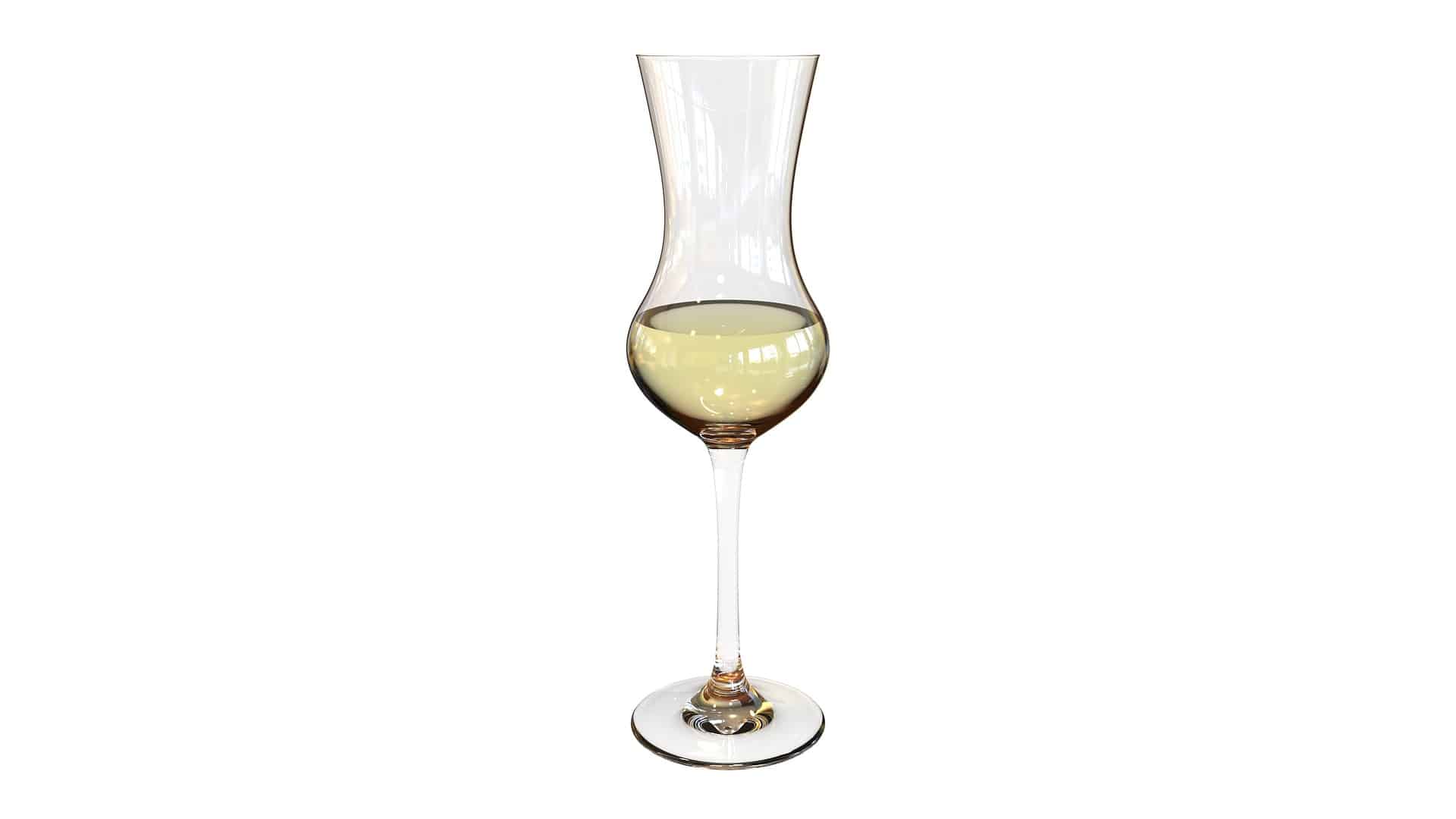
The Glass Matters
Grappa is never served in a large tumbler.
Proper glasses:
Narrow at the top
Designed to hold aroma
Encourage slow sipping
This alone can completely change your experience.
Why Tourists Often Dislike Grappa
From experience, the reasons are clear:
Wrong grappa
Wrong moment
Wrong quantity
Wrong expectation
Grappa punishes haste.
Those who slow down often change their mind entirely.
Grappa and Territory: A Direct Connection
Grappa reflects where it comes from.
Mountain pomace differs from plain pomace.
White grapes differ from red.
Freshness changes everything.
This is why tasting grappa near its origin—between Treviso and Bassano—makes sense.
Context matters.
Grappa vs Other Spirits
Grappa is often compared to:
Brandy
Eau-de-vie
Marc
But legally and culturally, it stands alone.
Grappa:
Is protected
Is Italian-only
Carries agricultural identity
It is not meant to imitate anything else.
Why Grappa Is Making a Quiet Comeback
Younger producers are:
Improving quality
Emphasizing terroir
Reducing aggression
Educating drinkers
Grappa is becoming what it always could be—honest and elegant.
Experiencing Grappa with a Local Guide
As a local guide, I introduce grappa:
At the right moment
In the right quantity
With explanation
Without pressure
Suddenly, it makes sense.
And often, it becomes a favorite.
Final Thoughts: Respect Before Judgment
If you remember one thing from this guide, remember this:
Grappa does not ask to be loved immediately—it asks to be understood.
From the hills around Treviso to the distilleries of Bassano del Grappa, this spirit tells a story of land, work, and patience.
And when approached correctly, it rewards you quietly.
Frequently Asked Questions
1. Is grappa always very strong?
It has high alcohol, but quality grappa is smooth and balanced.
2. Should I drink grappa cold or at room temperature?
Room temperature is best to appreciate aromas.
3. Is grappa only for older generations?
No. Modern producers are redefining grappa for new audiences.
If you would like to experience grappa properly—through tastings, distillery visits, or food-and-drink itineraries in Treviso, Bassano, or Venice—feel free to contact us at:
📧 info@tourleadertreviso.com
I’ll be happy to help you discover grappa where it belongs: slowly, thoughtfully, and in the right place.