Radicchio di Treviso: Why This Bitter Vegetable Is Worth Loving
My name is Igor Scomparin, and I am a licensed local guide based in the Veneto, working daily between Treviso and Venice. I am the owner of two boutique travel projects—www.tourleadertreviso.com
and **www.tourleadervenice.com—both
dedicated to helping travelers experience Northern Italy through local food, traditions, and everyday life rather than rushed sightseeing.
If there is one ingredient that truly represents Treviso’s character, it is Radicchio di Treviso.
Visitors often hesitate when they hear the word bitter. Some even say:
“I’m not sure I’ll like it.”
And yet, after one properly prepared dish, most people fall in love.
This article explains why Radicchio di Treviso is worth loving, how locals use it, and why it is far more than just a salad ingredient. Like Treviso itself, it is subtle, complex, and deeply rooted in place.
Radicchio di Treviso: More Than a Vegetable
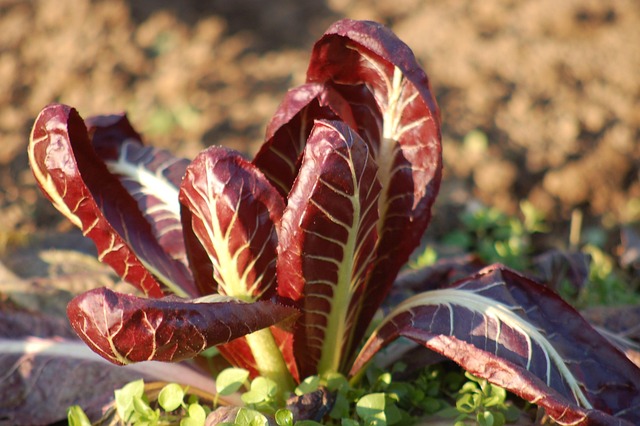
Radicchio di Treviso is not simply radicchio grown near Treviso. It is a protected product, shaped by land, water, and centuries of knowledge.
It belongs to the chicory family, but its elegance, texture, and flavor set it apart from any other bitter greens you may know.
There are two main varieties:
Radicchio di Treviso Tardivo
Radicchio di Treviso Precoce
Both are protected by IGP status, meaning they can only be produced in specific areas under strict rules.
This is not industrial food. It is agricultural heritage.
Why Treviso Is the Perfect Place for Radicchio
Radicchio di Treviso exists because of water.
The springs and rivers flowing through the Treviso countryside—especially those fed by the Sile—create the cold, mineral-rich conditions needed for its unique growing process.
Unlike many vegetables, Radicchio di Treviso is shaped after harvest. This process is what gives it:
Long white ribs
Deep ruby leaves
Crisp texture
Balanced bitterness
Without this land, this water, and this climate, Radicchio di Treviso simply would not exist.
The Whitening Process: Where the Magic Happens
What truly sets Radicchio di Treviso apart is a traditional method called imbiancamento (whitening).
After harvest, the radicchio is:
Tied in bunches
Placed in cold running spring water
Left in darkness
Allowed to regenerate
This forces the plant to grow again, developing its iconic shape and refined bitterness.
It is slow.
It is labor-intensive.
It is completely unindustrial.
Locals know that good radicchio cannot be rushed—just like good food, or good travel.
Why the Bitter Flavor Is a Virtue, Not a Problem
In Treviso, bitterness is not something to hide. It is something to balance.
Radicchio di Treviso teaches the palate to appreciate contrast:
Bitter against sweet
Soft against crisp
Warm dishes against cool seasons
This is why locals rarely eat it raw. Instead, they cook it gently, letting bitterness mellow and deepen rather than disappear.
Bitterness here is elegance, not aggression.
How Locals Really Eat Radicchio di Treviso
If you only know radicchio in salads, you don’t know Radicchio di Treviso.
Here is how it is traditionally enjoyed:
Grilled (Alla Griglia)
Cut lengthwise, brushed with olive oil, lightly grilled, finished with salt. Simple and perfect.
Risotto al Radicchio
Perhaps the most famous dish. The bitterness melts into the rice, creating depth and warmth.
Baked or Roasted
Slow cooking brings out sweetness while preserving structure.
With Eggs
Scrambled or in frittata, a classic home dish.
These preparations respect the ingredient rather than overpower it.
Radicchio and the Seasons: Why Timing Matters
Radicchio di Treviso is a winter vegetable.
Locals wait for:
Cold nights
Frost
Short days
This is when radicchio is at its best—typically from November to February.
Seeing it served in summer menus is a warning sign. In Treviso, seasonality is not optional.
Radicchio in Treviso’s Markets and Kitchens
Walk through Treviso’s markets in winter and you’ll see radicchio everywhere:
Carefully stacked
Hand-trimmed
Sold proudly
Families have favorite producers. Restaurants announce when the first radicchio arrives. It is a shared moment in the local calendar.
Radicchio di Treviso is not luxury food—it is identity food.
Why Tourists Often Misunderstand Radicchio
Many visitors:
Taste it raw
Taste it out of season
Taste poor-quality versions
And then conclude they “don’t like radicchio.”
In reality, they have simply never tasted Radicchio di Treviso prepared properly.
Context matters. So does patience.
Radicchio as a Metaphor for Treviso
I often tell my guests this:
If you understand Radicchio di Treviso, you understand Treviso.
At first:
Quiet
Bitter
Reserved
Over time:
Elegant
Complex
Deeply rewarding
Neither shouts for attention. Both reveal themselves slowly.
Experiencing Radicchio with a Local Guide
As a local guide and travel designer, I introduce guests to Radicchio di Treviso through:
Market visits
Seasonal food walks
Traditional restaurants
Conversations with producers
These experiences are part of the journeys I design through www.tourleadertreviso.com
and www.tourleadervenice.co
, always centered on understanding place through food.
Final Thoughts: Learn to Love the Bitter
Radicchio di Treviso does not try to please everyone.
It asks you to slow down.
To taste carefully.
To appreciate balance.
And once you do, it stays with you.
That is why this bitter vegetable is worth loving.
Frequently Asked Questions
1. Is Radicchio di Treviso always bitter?
Yes, but when prepared correctly, the bitterness becomes balanced and elegant, not harsh.
2. What is the best season to try Radicchio di Treviso?
From November to February, when it reaches peak flavor and texture.
3. Can I find real Radicchio di Treviso outside Italy?
Rarely. Authentic versions are protected and best enjoyed in the Treviso area.
If you would like help discovering Radicchio di Treviso through markets, restaurants, or guided food experiences in Treviso or Venice, feel free to contact us directly at:
📧 info@tourleadertreviso.com
I’ll be happy to help you taste Treviso the way locals do.