There is a moment in early March when Treviso exhales.
The last traces of winter fog lift off the Sile River, the market stalls at the Pescheria start filling up with the first spring vegetables, and the city — free of summer crowds, alive with locals going about their daily rituals — reveals itself for what it truly is: one of the most beautiful, most authentic, and most undervisited cities in all of Italy.
I am Igor Scomparin. I was born and raised between Treviso and the Veneto countryside, and I have been guiding travelers through this region professionally since 2007. I have been featured in Rick Steves’ travel guides to Italy since 2008. And every single year, when I look at my booking calendar, I notice the same thing: March is wide open. Almost nobody comes.
That is their loss. And it can be your gain.
Why Everyone Gets the Timing Wrong
Most American travelers plan their Italy trips around the summer months — June, July, August. Some discover the shoulder season and opt for September or October. A few adventurous souls come in April when the tulips bloom in Tuscany.
Almost nobody thinks of March.
And that, honestly, is the single biggest mistake a traveler can make when it comes to the Veneto.
Because while the rest of Italy is either soaked with tourists or still fully in winter hibernation, Treviso in March occupies this magical in-between space. The days are getting longer. The temperatures are mild — typically between 8°C and 15°C (46°F to 59°F), which is crisp and walkable. The city is awake, buzzing with local life, and completely free of the tour groups and selfie sticks that will descend in a few short weeks.
The Streets Belong to the Locals
Here is something I always tell my guests: if you want to understand a city, visit it when the locals are in charge.
In March, Piazza dei Signori belongs entirely to the people of Treviso. The cafés spill their tables onto the cobblestones on the first sunny afternoon. The elderly men play cards under the porticoes of Palazzo dei Trecento. The fruit vendors at the fish market on the island set up before dawn with the same unhurried precision they have used for generations.
(link on “fish market on the island”: https://www.tourleadertreviso.com/trevisos-fish-market-a-morning-ritual-since-1856/)
Nobody is performing for tourists. Nobody is selling you a postcard version of Italy. This is just Treviso, being Treviso.
The Pescheria in March is something you will want to plan your entire morning around. Arrive before 8am if you can. The light on the water, the shouts of the vendors, the smell of the canal in the cold air — it is one of those experiences that stays with you long after you have gone home.
The Radicchio Season Makes Its Final Bow
March opens with one of the great culinary spectacles of the Veneto calendar: the closing weeks of the Radicchio Rosso Tardivo di Treviso IGP season.
This extraordinary vegetable — bitter, tender, shaped like the fingers of an open hand — is one of the most prized ingredients in Italian cuisine. It grows only in this specific area, harvested in late autumn and then forced in cold running spring water until it reaches perfection. The season runs through winter and ends in early March. Which means that if you visit now, you are catching the finale.
The restaurants of Treviso will be serving it grilled, raw in salads, tucked into risotto, layered with taleggio in a pasta sauce that will make you question every life decision that led you away from this table. Local producers bring their last crates to the markets. And in early March, the event Fiori d’Inverno — Flowers of Winter — brings a dedicated market and show cooking to the piazza, celebrating the radicchio with the kind of reverence Italians reserve for their finest products.
If you want to understand why this vegetable matters so deeply to this city, read my piece on why Treviso’s radicchio is worth loving.
(link on “why Treviso’s radicchio is worth loving”: https://www.tourleadertreviso.com/radicchio-di-treviso-why-this-bitter-vegetable-is-worth-loving/)
And if you are wondering whether the festival itself deserves a trip, I explain exactly why in my guide to the Radicchio Festival of Treviso.
(link on “Radicchio Festival of Treviso”: https://www.tourleadertreviso.com/why-trevisos-radicchio-festival-is-worth-planning-your-trip-around/)
The Prosecco Hills Wake Up
Just north of Treviso, the UNESCO-listed hills of Conegliano and Valdobbiadene are stirring back to life in March.
The vineyards, stripped bare through winter, are beginning to show the first green buds on the Glera vines. The cantinas — the family-run wine producers who have been tending these steep, terraced slopes for generations — are opening their doors again for tastings. The air smells of cold earth and something almost electrical, that particular promise that comes before the growing season begins in earnest.
This is a quietly spectacular time to visit the Prosecco Road. There are no tour buses. There are no crowds. There is just you, a glass of Prosecco Superiore DOCG, a winemaker who has time to actually talk to you, and a view over the hills that changes every time the clouds move.
March is genuinely one of my favourite months to bring guests up into those hills. The conversations are different when a cantina is quiet. The winemaker stops rushing. The tasting becomes an education. I have put together a full guide to what lies along the Prosecco Road and beyond the well-known names.
(link on “what lies along the Prosecco Road and beyond the well-known names”: https://www.tourleadertreviso.com/the-locals-guide-to-prosecco-road-beyond-conegliano-and-valdobbiadene/)
A Big Moment for the Veneto: The 2026 Winter Paralympics
March 2026 carries an extra reason to be in the Veneto right now.
From March 6 to 15, the Milano Cortina 2026 Paralympic Winter Games are taking place across the region — and the Veneto is at the very center of it. The Dolomites, just a two-hour drive from Treviso, are hosting the alpine skiing and snowboard events at the Tofane Centre in Cortina d’Ampezzo. The world’s cameras are pointed at this region. International visitors are arriving from every corner of the globe.
And Treviso is playing its own role: Prosecco DOC — born in this very province — is the official sparkling wine of the Games. The Paralympic torch passed through Treviso’s Piazza dei Signori just days before the opening ceremony in Verona.
If you are visiting the Veneto this month, you are arriving at a genuinely historic moment for this part of Italy. For those who want to combine a stay in Treviso with a day in the Dolomites, read my guide to planning a day trip from Treviso to the Dolomites.
(link on “planning a day trip from Treviso to the Dolomites”: https://www.tourleadertreviso.com/from-treviso-to-the-dolomites-planning-your-mountain-escape/)
The Light Is Different in March
Every photographer I have ever guided has said the same thing about March light in Treviso: it is extraordinary.
The low winter angle is gone. The harsh midday brightness of summer has not yet arrived. What you get in March is a soft, golden, almost cinematic quality of light — particularly in the early morning and the hour before sunset — that makes the frescoed facades of the old city glow as if they are lit from within.
The canals reflect the pale blue sky. The cathedral of San Pietro catches the afternoon sun on its stone walls. The narrow calli behind the Pescheria offer alternating shafts of light and deep shadow that make even a phone camera look like serious photography.
For the best routes to walk with a camera in hand, read my guide to Treviso’s canal walks and the routes most tourists miss.
(link on “Treviso’s canal walks and the routes most tourists miss”: https://www.tourleadertreviso.com/a-locals-guide-to-trevisos-canal-walks-the-routes-tourists-miss/)
In March, with the light as it is, I recommend getting out by 7:30 in the morning. You will have the city entirely to yourself.
The Aperitivo Is in Full March Mode
There is a social rhythm to Italian cities that changes with the seasons, and Treviso’s is no exception.
In March, the aperitivo hour — that sacred 6 to 8pm ritual of spritz, cicchetti, and unhurried conversation — moves indoors and outdoors simultaneously. On warmer evenings, the bars along the canal open their windows. The standing-room crowd at the city’s best bacari grows louder and warmer. The spritz flows freely.
Treviso has a strong claim to having perfected the spritz. The local version, made with Aperol or Select and topped with Prosecco, is poured with a generosity you will not find anywhere else. And in March, with the city belonging mostly to locals, you are likely to find yourself the only non-Italian at the bar. That is not a warning. That is an invitation.
Read my piece on the art of the Italian aperitivo and what Treviso taught me about it.
(link on “the art of the Italian aperitivo and what Treviso taught me about it”: https://www.tourleadertreviso.com/the-art-of-the-italian-aperitivo-lessons-from-treviso/)
And if you want to know exactly where to go, I cover all the best spots in my guide to finding the best spritz in Treviso.
(link on “finding the best spritz in Treviso”: https://www.tourleadertreviso.com/where-to-find-the-best-spritz-in-treviso-according-to-a-local/)
What March Feels Like, Practically Speaking
Let me give you the practical picture, because this is the kind of detail that actually makes a trip work.
The weather in March is transitional. You will want layers — a light jacket in the morning, a sweater for the evenings, and a willingness to be pleasantly surprised by the warmth that arrives by early afternoon on sunny days. Rain is possible — this is northeastern Italy, not Sicily — but it rarely lasts long, and a rain shower in Treviso, with its elegant covered porticoes running the length of the main streets, is barely an inconvenience.
Restaurants and osterie are fully open and operating at their normal pace, without the reservation pressure of high season. You can walk into some of the best osterie and bacari in Treviso on a Tuesday evening and find a table without any difficulty whatsoever. That will not be true in June.
(link on “osterie and bacari in Treviso”: https://www.tourleadertreviso.com/the-ultimate-guide-to-trevisos-osterie-and-bacari/)
Hotel prices are lower. The museums are quiet. The streets are yours.
A March Itinerary: How I Would Plan It for You
If I were designing a March trip to Treviso from scratch, here is how I would approach it.
Arrive on a Thursday or Friday morning. Walk the canal district in the afternoon and find routes nobody else takes.
(link on “canal district”: https://www.tourleadertreviso.com/a-locals-guide-to-trevisos-canal-walks-the-routes-tourists-miss/)
Find a bacaro for your first spritz by 6pm. On your first full day, start at the Pescheria at 8am, then spend the morning in the historic center — the Duomo, the Church of San Nicolò, the Loggia dei Cavalieri. Lunch at a trattoria near the walls.
(link on “Pescheria”: https://www.tourleadertreviso.com/trevisos-fish-market-a-morning-ritual-since-1856/)
(link on “the Church of San Nicolò”: https://www.tourleadertreviso.com/trevisos-best-kept-secret-the-church-of-san-nicolo/)
Afternoon: a drive into the Prosecco Hills, a tasting at a family cantina, back in Treviso for dinner.
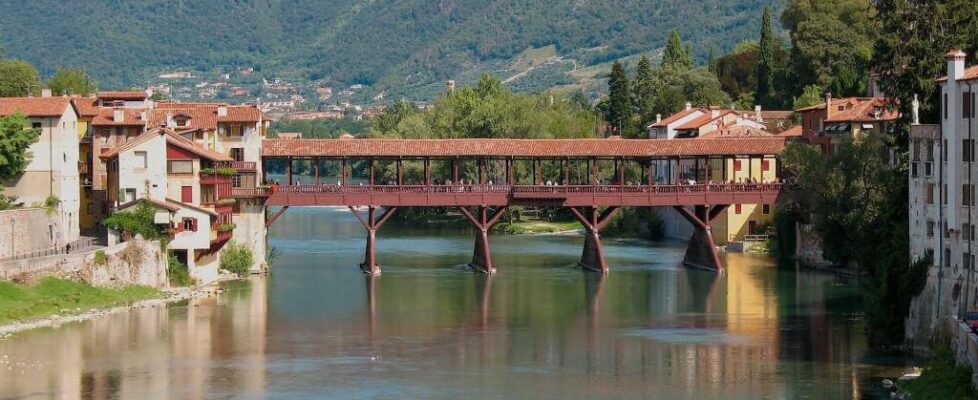
On your second full day, a day trip. Asolo in the morning — the city of a hundred horizons — then a stop at Bassano del Grappa on the way back, with its iconic wooden bridge and its grappa distilleries. Return to Treviso for a slow dinner and a final walk along the Sile as the evening light fades on the water.
(link on “Asolo in the morning”: https://www.tourleadertreviso.com/asolo-the-city-of-a-hundred-horizons-day-trip-from-treviso/)
(link on “Bassano del Grappa”: https://www.tourleadertreviso.com/bassano-del-grappa-history-bridges-and-mountain-views/)
All of this is, of course, infinitely better with a licensed local guide who knows which cantina to visit, which trattoria to book, and which route to take through the hills when the afternoon light is perfect.
Ready to Visit Treviso This March?
I offer fully private, tailor-made tours of Treviso and the surrounding Veneto — walking tours of the city, Prosecco Road excursions, day trips to Asolo, Bassano del Grappa and the Dolomites, private airport transfers from Treviso Canova, and fully customized multi-day itineraries.
Everything I do is 100% private. No shared groups. No rushed itineraries. Just you, the real Treviso, and a guide who has spent his entire career learning to love this place properly.
📩 Get in touch and let’s build your perfect March itinerary together. I will handle every detail — you just have to show up and enjoy it.

February Reflections: What Treviso Teaches You When You Slow Down
My name is Igor Scomparin, and I am a licensed local guide based in the Veneto, working daily between Treviso and Venice. I am the owner of www.tourleadertreviso.com
and www.tourleadervenice.com
, two boutique travel projects built around one idea: places reveal themselves only when you give them time.
February is the month that proves this better than any other.
Not because something special happens—but because very little does.
And in Treviso, that absence is meaningful.
This final February article is not a guide, a list, or a preview.
It is a reflection on what Treviso teaches you when you slow down, and why February is the month when those lessons become clearest.
February Removes the Noise
By late February, everything external has faded.
Holidays are over
Winter tourism has thinned
Spring expectations have not yet arrived
Treviso is no longer responding to visitors or seasons.
It is simply being itself.
This is when the city stops performing.
A City Without Urgency
In February, Treviso moves differently.
Mornings are quieter.
Evenings are earlier.
Conversations last longer.
Nothing feels unfinished—but nothing feels rushed.
This rhythm reveals something important:
Treviso was never meant to be consumed quickly.
Walking Without a Purpose Changes Everything
When there is nothing “to do,” walking becomes observation.
You begin to notice:
How canals reflect winter light
How streets curve instead of align
How people greet each other without stopping
Treviso becomes legible only when it is not competing for your attention.
February allows that.
Food as Continuity, Not Entertainment
Late February food is deeply honest.
No celebration dishes.
No seasonal announcements.
Just continuity.
People eat:
What sustains
What warms
What belongs to this moment
Meals are not experiences.
They are anchors.
This is one of the most overlooked lessons Treviso offers.
Why Silence Matters in Italian Cities
Silence is rare in Italy.
But in Treviso, February silence is not emptiness—it is space.
Space to:
Think
Observe
Reconnect with routine
This silence does not isolate.
It grounds.
Locals Are More Visible When Tourism Is Low
In February, you stop seeing “roles.”
There are no:
Hosts
Sellers
Performers
Only residents.
You see:
How people stand at bars
How they shop
How they walk alone
This is Treviso without adaptation.
Winter Light Teaches You How to Look
Late winter light in Treviso is:
Low
Precise
Honest
It doesn’t flatter buildings.
It reveals proportions.
You understand why Treviso is balanced rather than monumental.
Why it prefers harmony to dominance.
Light explains architecture better than words.
February Is the Month of Belonging
Visitors often ask:
“What is there to do in February?”
The real answer is:
You belong, temporarily.
You are not guided.
You are not entertained.
You are allowed to exist quietly.
Few destinations offer that permission.
Why Slowing Down Feels Uncomfortable at First
Most travelers feel uneasy in February.
There is no:
Schedule
Momentum
Narrative
But once the discomfort passes, something shifts.
You stop asking what’s next
and start asking why this feels right.
That’s the turning point.
Treviso Does Not Reward Efficiency
This is perhaps Treviso’s clearest lesson.
The city gives nothing extra to those who rush.
But it gives depth to those who stay still.
February makes this obvious.
What February Prepares You For
By the end of February, something subtle happens.
You are ready for:
Spring without anticipation
Events without pressure
Movement without urgency
March arrives not as excitement—but as continuation.
Treviso has already taught you how to receive it.
Why This Is the Perfect Article to End February
February is not a beginning.
It is not an ending.
It is a pause with meaning.
Ending the month with reflection rather than recommendation respects Treviso’s character—and the reader’s intelligence.
Final Thoughts: The Gift of an Unremarkable Month
If you remember one thing from this article, remember this:
Treviso in February teaches you that travel does not always need highlights—sometimes it needs honesty.
When nothing asks for your attention, you finally notice what deserves it.
And that is Treviso’s quiet gift at the end of winter.
Frequently Asked Questions
1. Is February too quiet for first-time visitors?
No. It is ideal for travelers who value atmosphere over activities.
2. Will I miss out by visiting before spring?
Only if you expect spectacle. If you seek authenticity, February offers more.
3. Is this a good moment to plan a longer stay?
Yes. February allows you to test rhythm before committing to movement.
If you would like to experience Treviso slowly, thoughtfully, and without performance—or plan a transition from winter calm into spring discovery—feel free to contact us at:
📧 info@tourleadertreviso.com
I’ll be happy to help you discover Treviso not when it is loud—but when it is most honest.
March Preview: Spring Events and Festivals in the Treviso Area
My name is Igor Scomparin, and I am a licensed local guide based in the Veneto, working daily between Treviso and Venice. I am the owner of www.tourleadertreviso.com
and www.tourleadervenice.com
, two boutique travel projects created to help travelers experience Veneto in sync with the calendar, not against it.
March is a transition month—and in Treviso, transitions matter.
Winter does not end abruptly.
Spring does not arrive loudly.
Instead, the city opens slowly, through small events, seasonal markets, agricultural rhythms, and local festivals that rarely make international calendars.
This article is a March preview of spring events and festivals in the Treviso area—not a list of headline acts, but a guide to what actually changes, where locals go, and why March is one of the smartest moments to plan a visit.
Why March Is a Special Month in Treviso
March is when Treviso resets.
Days grow longer
Light softens
Outdoor life cautiously returns
Seasonal food changes
Nothing explodes into activity—but everything begins to move again.
For visitors, this means access without pressure.
Spring Without the Crowds
March is still off-season.
You won’t find:
Large tour groups
Sold-out attractions
Compressed schedules
But you will find:
Functioning markets
Active cultural life
Locals reclaiming public space
March belongs to residents first—and that’s exactly why it’s rewarding.
Markets Change First (Always)
Before festivals appear, markets speak.
In March, Treviso’s markets begin to shift:
Winter vegetables fade
Early spring produce appears
Colors return slowly
This change is subtle—but locals notice immediately.
Markets are the first signal that the season has turned.
Local Spring Sagra Season Begins
March marks the reopening of the sagra calendar—local food and village festivals tied to seasonality.
These events are:
Small
Community-focused
Food-centered
They are not staged for visitors, but visitors are welcome.
Sagras in March often celebrate:
Early spring produce
Local products
Village identity
They are simple—and sincere.
Carnevale’s Final Echoes (Early March)
Depending on the year, Carnevale may spill into early March.
In the Treviso area, Carnevale is:
Family-oriented
Neighborhood-based
Modest compared to Venice
Masks appear briefly, then disappear—without ceremony.
This quiet ending fits Treviso’s character perfectly.
Cultural Programming Reawakens
March is when:
Small exhibitions open
Cultural associations restart activities
Talks, lectures, and concerts resume
These are not blockbuster events—but they are deeply local.
They reflect what Trevigiani are interested in right now.
Spring Walks and Outdoor Events Begin
As weather improves, informal outdoor events return:
Guided nature walks
River and countryside paths reopen socially
Community strolls appear on weekends
These activities often:
Have no online promotion
Are announced locally
Welcome participation without registration
You discover them by being present.
Food Culture Shifts Toward Lightness
March is a culinary turning point.
Heavy winter dishes give way to:
Lighter risotti
Early vegetables
Fresh herbs
Restaurants don’t announce this change.
They simply adjust.
Eating in March means tasting transition—a rare and revealing moment.
Prosecco Hills Begin to Stir
In the hills north of Treviso:
Vineyards wake up
Work resumes
Landscapes shift from brown to green
March is not harvest time—but it is preparation time.
This is when Prosecco country feels most authentic: quiet, agricultural, and focused.
Why March Is Ideal for Curious Travelers
March rewards travelers who:
Observe rather than rush
Accept unpredictability
Enjoy daily life more than events
You won’t “do” Treviso in March.
You’ll live alongside it.
Events Without Advertising
One of the most important things to understand about March in Treviso:
Many events are not advertised online.
They are:
Posted locally
Shared by word of mouth
Known to residents
This means flexibility matters more than planning.
Treviso as a Base in March
March is an excellent month to use Treviso as a base.
From here, you can:
Reach nearby towns easily
Adjust plans based on weather
Avoid congestion everywhere
Everything is accessible—but nothing is crowded.
March and the Return of Outdoor Aperitivo
One of the most pleasant signs of spring:
People start standing outside again.
Aperitivo slowly moves:
From inside to doorways
From bar counters to small outdoor spaces
This shift happens gradually—and locals notice it instinctively.
Why March Is Better Than April for Some Travelers
April brings:
More visitors
More fixed schedules
More expectations
March offers:
Space
Authentic rhythm
Fewer assumptions
For travelers who value atmosphere over agenda, March often feels better.
Planning a March Visit: What to Expect
Be prepared for:
Flexible schedules
Weather variation
Unannounced events
But also expect:
Open museums
Functioning restaurants
Fully active city life
March is not “quiet.”
It is balanced.
How a Local Guide Makes March Meaningful
March is one of the best months to explore with a local guide.
Why?
Context replaces programming
Small events become visible
Seasonal logic becomes clear
Without guidance, March can feel understated.
With it, everything connects.
Final Thoughts: March Is a Beginning, Not a Preview
If you remember one thing from this article, remember this:
March is not waiting for spring—it is already living it.
In the Treviso area, spring doesn’t arrive with fireworks.
It arrives through habits, food, light, and local gatherings.
And if you visit in March, you don’t witness the season.
You enter it.
Frequently Asked Questions
1. Is March a good month to visit Treviso?
Yes. It offers authentic daily life, mild weather, and minimal crowds.
2. Are there major festivals in March?
Mostly small, local events rather than large international festivals.
3. Should I plan specific dates far in advance?
No. Flexibility is more valuable than a fixed schedule in March.
If you would like help planning a March visit to Treviso, discovering local spring events, or building a seasonal itinerary for the coming months in Veneto, feel free to contact us at:
📧 info@tourleadertreviso.com
I’ll be happy to help you experience spring where it begins quietly—exactly the way Treviso does.
The Art of the Italian Aperitivo: Lessons from Treviso
My name is Igor Scomparin, and I am a licensed local guide based in the Veneto, working daily between Treviso and Venice. I am the owner of www.tourleadertreviso.com
and www.tourleadervenice.com
, two boutique travel projects created to help travelers understand Italy through its daily habits—not through staged experiences.
Few Italian words are as misunderstood abroad as aperitivo.
Many visitors imagine:
A pre-dinner drink
A happy hour
A buffet
A social obligation
In Treviso, aperitivo is none of those things—and all of them miss the point.
This article explains the art of the Italian aperitivo, using Treviso as a living classroom. Not rules to memorize, but lessons to observe—because aperitivo is not something you do. It’s something you understand.
What Aperitivo Really Is (Before We Go Further)
Aperitivo is a transition, not an event.
It sits between:
Work and home
Day and evening
Obligation and choice
Its purpose is not to eat, drink, or socialize excessively—but to pause.
In Treviso, aperitivo exists to soften the edges of the day.
Why Treviso Is the Perfect Place to Learn Aperitivo
Treviso is not theatrical.
It doesn’t exaggerate habits.
It doesn’t perform tradition.
It doesn’t adapt rituals for visitors.
That makes it the ideal place to observe aperitivo in its most honest form—quiet, social, and unforced.
Timing Matters More Than the Drink
In Treviso, aperitivo happens:
Between 5:30 and 7:30 PM
Rarely earlier
Rarely later
Arrive too early and it feels premature.
Arrive too late and the moment has passed.
Aperitivo respects the rhythm of the day. It never interrupts it.
The Drink Is Secondary
This surprises many people.
In Treviso, aperitivo is not defined by what you drink.
Locals may choose:
A Spritz
A glass of Prosecco
Wine
Beer
Even something non-alcoholic
The drink adapts to the person, not the other way around.
What matters is the pause—not the glass.
Standing Is Not an Accident
One of the most important lessons from Treviso: standing is intentional.
Most locals:
Stand at the bar
Lean slightly
Keep posture open
Standing:
Encourages conversation
Discourages lingering too long
Keeps aperitivo light
Sitting turns aperitivo into something else. Standing preserves its purpose.
Cicchetti: Enough to Accompany, Never to Replace
Food during aperitivo is not dinner.
In Treviso, it is:
Small
Simple
Optional
You might see:
Olives
Crostini
Small bites
Cicchetti exist to support the drink—not compete with the meal that follows.
If you’re full afterward, something went wrong.
Conversation Over Consumption
Aperitivo is a social filter.
People come to:
Exchange a few words
Share a thought
Acknowledge the day
Not to:
Tell long stories
Sit for hours
Perform
This is why aperitivo feels light and energizing rather than tiring.
Why Locals Rarely Say “Let’s Go for Aperitivo”
Another subtle detail.
Locals don’t plan aperitivo days in advance.
It happens because:
You run into someone
Work ends at the same time
The day calls for it
Aperitivo is often spontaneous—and that spontaneity is part of its charm.
Aperitivo Is Not About Groups
Large groups change the dynamic.
In Treviso, aperitivo works best:
Alone
In pairs
In very small groups
This keeps conversation fluid and allows people to join or leave without pressure.
Aperitivo welcomes movement.
Why Aperitivo Is Not Happy Hour
The comparison is tempting—and wrong.
Aperitivo is not about:
Discounts
Quantity
Consumption
There are no promotions.
No urgency.
No incentives.
You pay for quality and context—not volume.
Season Changes Aperitivo
In Treviso, aperitivo adapts to the season.
Summer: lighter drinks, outdoor standing
Autumn: wine-focused, slower pace
Winter: earlier timing, warmer interiors
Spring: transitional, social
The ritual stays the same. The expression changes.
Aperitivo as a Social Skill
Aperitivo teaches Italians:
How to arrive without obligation
How to leave without explanation
How to converse briefly
How to share space respectfully
These are not rules—but instincts built over time.
Why Tourists Often Feel Awkward
Visitors struggle with aperitivo because they:
Sit too quickly
Order too much
Stay too long
Expect structure
Aperitivo has none.
Once you stop trying to “do it right,” it starts working.
The Role of Familiar Places
Locals return to the same bars.
Not because they’re “the best,” but because:
They know the rhythm
The staff recognizes them
The environment feels neutral
Aperitivo thrives on familiarity, not novelty.
Aperitivo Ends Naturally
This is crucial.
There is no formal ending.
People:
Finish their drink
Say goodbye
Move on
No ceremony. No conclusion.
Aperitivo fades—just like the day.
What Aperitivo Teaches About Italian Life
From Treviso, one lesson stands out:
Life is not divided into events—it flows through moments.
Aperitivo is one of those moments. Brief, meaningful, and unrepeatable.
Experiencing Aperitivo with a Local Guide
As a local guide, I don’t schedule aperitivo.
I let it happen.
Guests often say:
“It felt natural.”
That’s the highest compliment aperitivo can receive.
Final Thoughts: Learn the Pause, Not the Drink
If you remember one thing from this article, remember this:
Aperitivo is not about alcohol—it’s about permission to stop.
Treviso teaches this lesson quietly, without explanation, every evening.
If you let it, aperitivo will teach you something too.
Frequently Asked Questions
1. Can I have aperitivo every day in Treviso?
Yes—but only if it remains light and unforced.
2. Do I need to order food during aperitivo?
No. Food is optional and secondary.
3. Is aperitivo only for social people?
Not at all. Many locals enjoy it alone.
If you would like to experience aperitivo the way locals do—naturally, without choreography—or design a slow cultural itinerary in Treviso or Venice, feel free to contact us at:
📧 info@tourleadertreviso.com
I’ll be happy to help you understand Italy through its quietest—and most revealing—rituals.
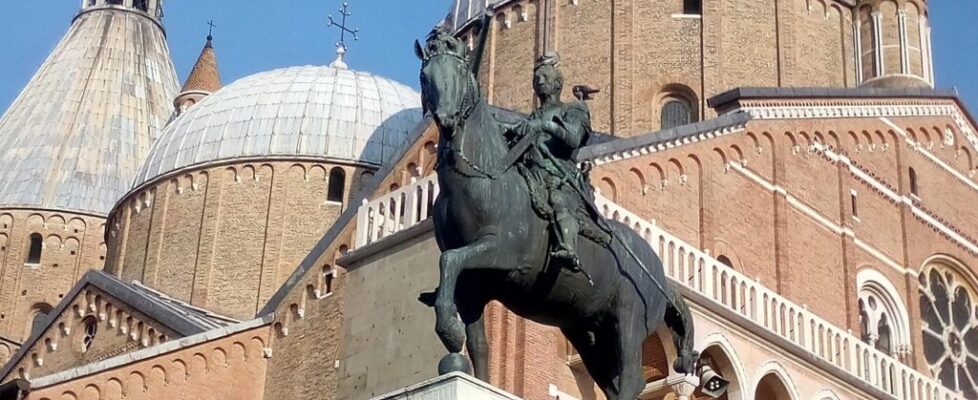
Padua from Treviso: Giotto, Saints, and the Oldest Botanical Garden
My name is Igor Scomparin, and I am a licensed local guide based in the Veneto, working daily between Treviso and Venice. I am the owner of www.tourleadertreviso.com
and www.tourleadervenice.com
, two boutique travel projects created to help travelers experience Veneto as a connected cultural landscape—not a series of isolated highlights.
From Treviso, one of the most meaningful day trips you can take is to Padua.
Padua is not a city you skim.
It is a city you enter—intellectually, spiritually, and historically.
This article explains how to visit Padua from Treviso, why Giotto, saints, and science coexist so naturally here, and how to experience the city without turning it into a checklist.
Why Padua Matters in Veneto
Padua is one of the intellectual pillars of northern Italy.
For centuries, it has been a city of:
Learning
Faith
Debate
Experimentation
While Venice looked outward to the sea, Padua looked inward—toward ideas, medicine, theology, and art.
Understanding Padua helps you understand the mind of Veneto.
Getting from Treviso to Padua
Padua is easy to reach from Treviso.
Train time: approximately 1 hour
Frequent connections
Arrival: Padua station, walkable to the historic center
No car is necessary.
The journey is smooth, direct, and ideal for a full-day visit.
Giotto and the Birth of Modern Painting
Padua holds one of the most important turning points in Western art history.
That moment lives inside the Scrovegni Chapel, painted by Giotto in the early 14th century.
Giotto did something revolutionary:
He gave weight to bodies
Emotion to faces
Space to scenes
Painting moved from symbolic to human.
Everything that follows in Renaissance art begins here.
Why the Scrovegni Chapel Is Not “Just Another Church”
The Scrovegni Chapel is:
Small
Controlled
Intense
It is not designed for crowds or speed.
Inside, the frescoes form a complete narrative—from life to death, hope to judgment. You don’t observe them individually. You absorb them as a whole.
This is why access is limited and timed.
Giotto demands attention, not admiration.
Padua as a City of Saints
Padua is also inseparable from Saint Anthony of Padua.
Unlike many religious cities, devotion here is not distant or symbolic. It is active.
People come to Padua:
To pray
To ask
To give thanks
The presence of Saint Anthony is not historical—it is living.
The Basilica of Saint Anthony: Faith in Motion
The Basilica of Saint Anthony is not quiet.
It is:
Constantly visited
Actively used
Deeply emotional
You will see:
Locals lighting candles
Pilgrims kneeling
People passing through quickly but intentionally
This is not a museum. It is a functioning spiritual center.
Why Padua Balances Faith and Reason
What makes Padua unique is not that it has saints and scholars—but that it embraces both equally.
This balance is embodied in:
Its university
Its hospitals
Its churches
Faith and science here grew side by side, not in opposition.
Europe’s Oldest Botanical Garden
Padua is home to the Orto Botanico di Padova, the oldest academic botanical garden in the world, founded in 1545.
It was created to:
Study medicinal plants
Teach medical students
Advance scientific knowledge
This garden represents Padua’s commitment to observation, experimentation, and learning.
Why the Botanical Garden Still Matters Today
The Orto Botanico is not just historical.
It remains:
A research center
A living archive
A symbol of continuity
Plants are arranged not for decoration, but for understanding.
It is one of the clearest expressions of Padua’s scientific soul.
Walking Padua: A City Built for Thought
Padua is flat, spacious, and walkable.
As you move through it, you notice:
Arcaded streets
Large piazzas
Long visual axes
This architecture supports conversation, teaching, and gathering.
Padua feels designed for minds at work.
The University City Atmosphere
Founded in 1222, the University of Padua shaped the city profoundly.
You still feel it:
In cafés
In bookstores
In mixed-age crowds
Students and professors coexist with pilgrims and residents.
This mix keeps Padua intellectually alive.
Food in Padua: Functional and Regional
Padua’s food culture reflects its academic nature.
Meals are:
Nourishing
Practical
Regional
Expect:
Simple pastas
Rice dishes
Seasonal vegetables
Food supports the day—it doesn’t dominate it.
How Much Time You Need in Padua
Padua deserves a full day.
Trying to compress:
Giotto
Saint Anthony
The botanical garden
into a half day turns depth into stress.
Padua rewards patience.
Common Mistakes Visitors Make
From experience, visitors often:
Only see the Scrovegni Chapel
Rush between highlights
Ignore the city in between
Padua lives in its continuity—not just its monuments.
Padua and Treviso: A Powerful Combination
Treviso offers:
Daily rhythm
Quiet beauty
Food and water
Padua offers:
Ideas
Faith
Knowledge
Together, they represent two essential sides of Veneto life.
One feeds the body.
The other feeds the mind.
Why a Local Guide Changes Padua Completely
Padua is rich—but complex.
With a local guide, you gain:
Context between sites
Historical connections
A readable narrative
Without guidance, Padua can feel overwhelming.
With it, everything aligns.
Final Thoughts: A City That Thinks Deeply
If you remember one thing from this article, remember this:
Padua is not a city you visit for beauty alone—it’s a city you visit to understand how Europe learned to think differently.
From Giotto’s humanity to Saint Anthony’s devotion, from medicine to botany, Padua shows how art, faith, and science can grow together.
As a day trip from Treviso, it is not just convenient—it is essential.
Frequently Asked Questions
1. Is Padua suitable for a day trip from Treviso?
Yes, a full day allows you to experience its main cultural layers without rushing.
2. Do I need to book the Scrovegni Chapel in advance?
Yes. Reservations are required and strongly recommended.
3. Is Padua very religious?
It is both religious and academic—this balance defines the city.
If you would like help planning a day trip to Padua from Treviso, booking Giotto’s frescoes, or designing a cultural itinerary combining Treviso, Padua, and Venice, feel free to contact us at:
📧 info@tourleadertreviso.com
I’ll be happy to help you experience Padua not as a list of monuments—but as a city where ideas, faith, and observation still meet.
Treviso’s Craft Beer Revolution: From Wine Country to Hop Heaven
My name is Igor Scomparin, and I am a licensed local guide based in the Veneto, working daily between Treviso and Venice. I am the owner of www.tourleadertreviso.com
and www.tourleadervenice.com
, two boutique travel projects created to help travelers understand how Veneto evolves—without losing its roots.
If someone had told a Trevigiano twenty years ago that Treviso would become a serious craft beer destination, the reaction would have been skeptical at best.
This is wine country.
This is Prosecco land.
This is a place where tradition matters.
And yet, quietly and without noise, Treviso has experienced a craft beer revolution—one that didn’t replace wine, but grew alongside it.
This article explains how Treviso went from wine-only identity to hop-friendly culture, why the change feels natural rather than forced, and how locals actually drink craft beer today.
Why Craft Beer Took Root in Treviso
The rise of craft beer in Treviso was not a rebellion.
It was an extension.
Treviso already had:
Agricultural knowledge
Fermentation culture
Respect for raw materials
A habit of drinking locally
Beer did not arrive as a novelty. It arrived as another expression of craftsmanship.
That difference matters.
From Wine Logic to Beer Thinking
Trevigiani already understood:
Terroir
Seasonality
Balance
Moderation
These concepts translated easily into craft beer.
Local drinkers didn’t ask:
“Is this strong?”
They asked:
“Is this well made?”
That mindset allowed quality beer to grow without resistance.
Why This Happened Quietly (On Purpose)
Unlike other cities, Treviso didn’t brand itself as a beer destination.
There were no:
Festivals designed for hype
Loud marketing campaigns
Sudden “beer districts”
Instead, craft beer appeared:
In small bars
Alongside wine
In everyday contexts
It integrated rather than interrupted.
The Influence of Veneto’s Food Culture
Treviso’s food culture shaped its beer scene immediately.
Local craft beer developed to:
Pair with food
Complement aperitivo
Sit comfortably at the table
Beers here tend to be:
Balanced
Drinkable
Thoughtful
Extreme bitterness and novelty styles never dominated.
Food comes first. Always.
Craft Beer and Aperitivo: A Natural Match
One of the key moments in Treviso’s beer revolution was aperitivo.
Locals began choosing:
A craft lager instead of wine
A hoppy pale ale with cicchetti
A dark beer in winter evenings
Beer entered the same social space as wine—not as competition, but as choice.
Why Wine Was Never Replaced
This is crucial to understand.
Craft beer did not replace wine in Treviso.
Wine remains:
Cultural
Daily
Identitarian
Beer became:
Situational
Seasonal
Personal
Locals choose based on mood, food, and moment—not ideology.
Seasonality in Treviso’s Beer Scene
Just like food and wine, beer here follows seasons.
You’ll notice:
Lighter beers in summer
Darker, maltier styles in winter
Experimental batches tied to availability
Drinking craft beer year-round doesn’t mean drinking the same beer year-round.
That seasonal awareness feels very Trevigiano.
Where Craft Beer Lives in Treviso
Craft beer in Treviso is not concentrated in one area.
You find it:
In neighborhood bars
In mixed wine-and-beer spaces
In places locals already frequent
This decentralization keeps it authentic.
You don’t go “out for craft beer.”
You encounter it naturally.
Who Drinks Craft Beer in Treviso
Not just young people.
You’ll see:
Professionals after work
Older locals curious and informed
Couples sharing a glass
Solo drinkers reading or thinking
Craft beer here is not a trend—it’s a habit.
Quality Over Quantity
One defining trait of Treviso’s beer culture is restraint.
Locals:
Drink fewer beers
Choose more carefully
Value consistency
Flights and over-tasting are rare.
Beer is enjoyed—not collected.
Craft Beer and Local Identity
Treviso’s craft beer scene reflects the city itself:
Quiet
Serious
Unpretentious
Rooted in quality
No one is trying to prove anything.
That confidence makes all the difference.
Why Tourists Are Often Surprised
Visitors expect:
Only wine
Only Prosecco
Limited beer culture
What they find instead is:
Informed choices
Well-kept taps
Knowledgeable staff
Beer that fits the place
Surprise turns into appreciation quickly.
Craft Beer vs Industrial Beer
Treviso’s craft beer success also comes from rejection of excess.
Industrial beer never disappeared—but it stopped being the default.
People learned to:
Ask questions
Taste differences
Pay a bit more for quality
Education happened organically, not through campaigns.
Winter Evenings and Dark Beers
Winter in Treviso is when craft beer truly shines.
Cold evenings invite:
Stouts
Porters
Strong ales
These beers fit the season just as naturally as radicchio fits winter menus.
Beer becomes comforting rather than refreshing.
Craft Beer and the Future of Drinking in Treviso
The future here is not about expansion.
It’s about:
Stability
Quality
Local loyalty
Craft beer has earned its place—not by shouting, but by belonging.
Experiencing Treviso’s Beer Scene Like a Local
To experience craft beer properly in Treviso:
Don’t search for “the best”
Don’t rush tastings
Let the place guide you
Ask what fits the moment
That’s how locals do it.
Final Thoughts: Evolution Without Noise
If you remember one thing from this article, remember this:
Treviso didn’t become a craft beer city by changing who it is—but by extending what it already was.
From wine country to hop-friendly culture, the transition feels natural, measured, and honest.
And that’s why it works.
Frequently Asked Questions
1. Is Treviso better for wine or craft beer lovers?
Both. Wine defines identity, beer expands choice.
2. Can I find craft beer year-round in Treviso?
Yes, with seasonal variation.
3. Is Treviso’s craft beer scene tourist-focused?
No. It exists primarily for locals—which is why it’s so good.
If you would like to explore Treviso’s evolving food and drink culture with a local guide—combining wine, craft beer, markets, and daily life—feel free to contact us at:
📧 info@tourleadertreviso.com
I’ll be happy to help you understand Treviso not as a trend—but as a place that evolves quietly, and with purpose.
Bassano del Grappa: History, Bridges, and Mountain Views
My name is Igor Scomparin, and I am a licensed local guide based in the Veneto, working daily between Treviso and Venice. I am the owner of www.tourleadertreviso.com
and www.tourleadervenice.com
, two boutique travel projects created to help travelers understand Veneto through places that are lived in, not staged.
If Treviso teaches balance and rhythm, Bassano del Grappa teaches perspective.
Set where the Venetian plain meets the mountains, Bassano is a city shaped by history, bridges, and views—not as postcard clichés, but as elements that define daily life. It is a place where war memory, craftsmanship, river culture, and alpine geography coexist naturally.
This guide explains why Bassano del Grappa is far more than a famous bridge or a name on a bottle—and why it makes one of the most meaningful day trips from Treviso.
A City at the Edge of Two Worlds
Bassano del Grappa sits at a natural threshold.
Behind it rise:
The Prealps
Mountain valleys
Cold air and forests
In front of it stretch:
Rivers
Farmland
The Venetian plain
This position has shaped Bassano’s role for centuries—as a meeting point between mountain and lowland cultures.
You feel this immediately when you walk the city.
Why Bassano’s History Feels So Present
Bassano does not separate its past from its present.
History here is:
Written on buildings
Remembered in names
Embedded in daily habits
From medieval trade to World War memory, Bassano carries its past quietly—without turning it into spectacle.
The Brenta River: Bassano’s Backbone
The Brenta is not decoration in Bassano—it is structure.
The river:
Shaped trade routes
Powered mills
Defined defense
Created identity
Bassano exists because of the Brenta, not beside it.
Locals walk along it not for views, but because it is part of the city’s circulation.
Ponte degli Alpini: More Than a Bridge
The symbol everyone recognizes is the Ponte degli Alpini, also known as Ponte Vecchio.
Designed by Andrea Palladio, the bridge is famous—but what matters most is why.
It was built to be:
Functional
Rebuildable
Flexible
Over centuries, it has been destroyed and rebuilt multiple times—especially during wars.
The bridge represents resilience, not perfection.
The Alpini and Collective Memory
Bassano is inseparable from the Alpini, Italy’s mountain troops.
The bridge is a place of:
Remembrance
Identity
Shared memory
This is why it feels different from tourist monuments.
People pause here not to photograph—but to reflect.
Walking Bassano: Compact and Layered
Bassano is ideal on foot.
Within a short walk you encounter:
Medieval streets
Renaissance façades
River views
Mountain backdrops
The city reveals itself in layers, not highlights.
If you rush, you miss the transitions—and those transitions are the story.
Bassano and Craft Tradition
Bassano has long been a center of craftsmanship.
Historically known for:
Printing
Ceramics
Woodwork
Distillation
This tradition explains why production and quality still matter here more than branding.
The city values making as much as showing.
Why Bassano Became Italy’s Grappa Capital
The connection between Bassano and grappa is practical, not romantic.
Located between:
Vineyards of the plain
Cold mountain water
Trade routes
Bassano became the ideal place to refine distillation.
Grappa here developed from necessity into expertise—slowly and seriously.
Views That Change with Every Step
One of Bassano’s greatest gifts is how often the landscape opens.
From the historic center, you glimpse:
The Brenta flowing below
Hills beyond rooftops
Mountains framing the horizon
Unlike hill towns, Bassano does not isolate itself above the land.
It remains connected to it.
Bassano in Different Seasons
Each season reshapes the city.
Spring: clear air and flowing water
Summer: mountain breezes and long evenings
Autumn: reflection and color
Winter: silence, clarity, and depth
There is no wrong moment—only different moods.
Food Culture: Grounded and Honest
Bassano’s cuisine reflects its position between plain and mountain.
Expect:
Polenta
Cheeses
Seasonal vegetables
Simple meat dishes
Meals are filling, but never excessive.
Food here sustains—it doesn’t distract.
Why Bassano Feels Authentic
Bassano works because:
People live in the center
Shops serve locals
Traditions remain functional
It has not been redesigned for visitors.
You step into a city that already exists.
Common Visitor Mistakes
From experience, visitors often:
Only visit the bridge
Skip the streets beyond
Rush through on tight schedules
Bassano needs time—even a few unplanned minutes make a difference.
Bassano and Treviso: A Perfect Contrast
Treviso offers:
Water and rhythm
Markets and calm
Bassano offers:
Height and memory
Structure and perspective
Together, they explain Veneto’s balance between land, water, and mountain.
Why a Local Guide Changes the Experience
Bassano is easy to see—but harder to understand.
With a local guide, you gain:
Historical context
Meaning behind symbols
Connection between city and landscape
Suddenly, Bassano becomes personal.
Final Thoughts: A City That Stands Firm
If you remember one thing from this guide, remember this:
Bassano del Grappa is not a place you pass through—it’s a place that holds its ground.
Between river and mountain, past and present, function and beauty, Bassano stands steady.
That quiet strength is what stays with you.
Frequently Asked Questions
1. Is Bassano del Grappa suitable for a day trip from Treviso?
Yes. It’s an ideal full-day or relaxed half-day excursion.
2. Is the famous bridge free to access?
Yes. It is a public bridge, open to everyone.
3. Is Bassano very touristy?
No. It attracts visitors, but daily life remains dominant.
If you would like help planning a day trip to Bassano del Grappa, combining it with mountain views, cultural walking, or a wider Veneto itinerary from Treviso or Venice, feel free to contact us at:
📧 info@tourleadertreviso.com
I’ll be happy to help you experience Bassano del Grappa not just as a destination—but as a place with weight, memory, and perspective.
The Local’s Guide to Prosecco Road: Beyond Conegliano and Valdobbiadene
My name is Igor Scomparin, and I am a licensed local guide based in the Veneto, working daily between Treviso and Venice. I am the owner of www.tourleadertreviso.com
and www.tourleadervenice.com
, two boutique travel projects created to help travelers understand Veneto through its landscapes, habits, and quiet excellence—rather than through crowded highlights.
When people talk about the Prosecco Road, they almost always stop at two names:
Conegliano and Valdobbiadene.
They are important, yes—but they are only the beginning.
This article is a local’s guide to the Prosecco Road beyond Conegliano and Valdobbiadene: the lesser-known villages, back roads, viewpoints, and rhythms that locals actually seek when they want to reconnect with Prosecco country—without crowds, schedules, or performances.
First, What the Prosecco Road Really Is
The Prosecco Road is not a single road.
It is a network of hills, villages, vineyards, and habits stretching north of Treviso, shaped by:
Steep slopes
Small family producers
Hand-harvested vineyards
Seasonal life
Locals don’t “do” the Prosecco Road.
They move through it slowly, often without a destination.
Why Conegliano and Valdobbiadene Get All the Attention
Conegliano and Valdobbiadene are gateways.
They offer:
Accessibility
Recognition
Infrastructure
They are where many itineraries begin—and unfortunately, end.
Beyond them lies a more intimate landscape, where Prosecco is still part of daily life, not an attraction.
Leaving the Main Route Changes Everything
The moment you turn off the main road:
Traffic disappears
Hills become steeper
Vineyards get closer
Silence returns
This is where locals go.
The Prosecco landscape becomes less polished—and more real.
The Hills Between Villages: Where Prosecco Makes Sense
Beyond famous towns, Prosecco country reveals its true character:
Narrow roads
Sharp curves
Vineyards impossible to mechanize
These slopes explain why Prosecco here is:
More expressive
More mineral
More demanding to produce
You don’t need signage to understand quality.
The land tells you.
Small Villages That Locals Prefer
Instead of chasing labels, locals gravitate toward villages that feel lived in.
Places like:
Follina
Cison di Valmarino
San Pietro di Feletto
These villages offer:
Perspective
Calm
Continuity
They are not destinations—they are anchors.
Why Views Matter More Than Tastings
Locals don’t measure the Prosecco Road by how many wineries they visit.
They measure it by:
Where the land opens
Where the hills align
Where silence settles
Stopping at a viewpoint often explains more about Prosecco than a tasting ever could.
Understanding the Landscape Before the Glass
To appreciate Prosecco, you must first understand:
The steepness of the hills
The exposure to sun
The role of wind and cold
Once you see how demanding the land is, the wine makes sense.
This is why rushing through tastings without walking the hills often disappoints visitors.
Family Producers and Quiet Excellence
Beyond the main route, producers are often:
Small
Family-run
Low-volume
Focused on consistency, not marketing
Appointments are personal. Conversations are direct. There is no performance.
You are entering someone’s working life—not a showroom.
When to Explore Beyond the Famous Stops
Timing matters more than itinerary.
Best moments:
Late morning light on the hills
Weekdays
Outside peak harvest crowds
Avoid trying to “fit everything in.”
Choose one area and stay with it.
Driving the Prosecco Hills: What Locals Know
A few local realities:
Roads are narrow
Curves are tight
Patience is required
This is not scenic driving for speed.
It’s about attentiveness.
If you feel rushed, you’re doing it wrong.
Food Along the Prosecco Road
Eating well here means eating simply.
Expect:
Local osterie
Seasonal menus
Familiar dishes
No reinterpretation
Meals are meant to ground you after the hills—not distract you from them.
Why Many Visitors Leave Unsatisfied
This may sound surprising, but it’s common.
Visitors often say:
“The Prosecco Road was beautiful, but…”
The reason is usually:
Too many stops
Too little time
Too much focus on labels
The Prosecco Road rewards depth, not coverage.
A Local Way to Experience the Area
A local-style approach looks like this:
One base village
One or two slow walks
One producer
One long lunch
One sunset view
That’s enough.
Anything more becomes noise.
Why This Area Complements Treviso Perfectly
Treviso offers:
Daily rhythm
Water
Markets
The Prosecco hills offer:
Height
Silence
Agricultural logic
Together, they explain each other.
Wine is not separate from the city—it flows from it.
Experiencing the Prosecco Road with a Local Guide
As a local guide, I don’t offer “Prosecco tours.”
I offer:
Context
Landscape reading
Right timing
Thoughtful pacing
Guests leave understanding why Prosecco tastes the way it does—not just what they drank.
Final Thoughts: Go Where the Road Becomes Quiet
If you remember one thing from this guide, remember this:
The best part of the Prosecco Road begins where the signs disappear.
Beyond Conegliano and Valdobbiadene lies a landscape that doesn’t ask for attention—but rewards it deeply.
Slow down.
Turn off.
Listen to the hills.
That’s where Prosecco truly lives.
Frequently Asked Questions
1. Can I explore beyond Conegliano and Valdobbiadene without a guide?
Yes, but local knowledge helps you choose roads and villages that fit your pace.
2. Is this area suitable for non-wine travelers?
Absolutely. The landscape, villages, and walks are the main experience.
3. How much time should I allow?
Half a day minimum. A full day is ideal for a relaxed visit.
If you would like help planning a thoughtful journey along the Prosecco Road, discovering lesser-known villages, or combining Treviso with the Prosecco hills at a local pace, feel free to contact us at:
📧 info@tourleadertreviso.com
I’ll be happy to help you experience Prosecco country beyond the obvious—quietly, slowly, and exactly where it makes sense.
Treviso in Winter: Why February Is the Best Time to Visit
My name is Igor Scomparin, and I am a licensed local guide based in the Veneto, working daily between Treviso and Venice. I am the owner of www.tourleadertreviso.com
and www.tourleadervenice.com
, two boutique travel projects created to help travelers experience Northern Italy when it feels most authentic—not when it is most crowded.
Many travelers assume winter is a compromise.
Locals know better.
If you ask people who live here when Treviso feels most itself, many will answer without hesitation:
February.
This article explains why Treviso in winter—and especially in February—is the best time to visit, what changes in the city during this season, and why travelers who come now often leave with a deeper connection than those who visit at any other time of year.
February in Treviso: The City at Its Quietest
February is not empty—but it is calm.
The rush of Christmas is gone.
Spring tourism has not started.
The city returns to its natural rhythm.
In February, Treviso feels:
Lived-in
Unhurried
Balanced
You are not navigating around visitors. You are moving with locals.
Why Winter Suits Treviso Perfectly
Treviso is not a city that relies on spectacle.
Its beauty lies in:
Water
Proportion
Daily habits
Subtle details
Winter enhances all of this.
Cold air sharpens reflections in canals.
Silence highlights architecture.
Shorter days encourage intimacy rather than movement.
Treviso was made for winter.
Fewer Visitors, Real Life
In February:
You don’t queue
You don’t rush
You don’t compete for space
Cafés are filled with regulars.
Markets function normally.
Restaurants cook for locals, not volume.
This is Treviso without adaptation.
The Perfect Season for Food Lovers
Winter is when Treviso’s cuisine becomes most expressive.
February is peak season for:
Radicchio di Treviso
Risotti
Hearty vegetable dishes
Polenta
Slow cooking
Menus are seasonal, confident, and honest.
Nothing is decorative. Everything has a reason.
Radicchio Season at Its Best
If radicchio defines Treviso, February is when it shines.
The cold has:
Refined its bitterness
Improved texture
Deepened flavor
Locals talk about radicchio the way others talk about wine vintages.
To taste Treviso properly, you need winter.
Aperitivo Feels More Intimate in Winter
In summer, aperitivo is social and outward.
In winter, it is:
Closer
Warmer
Slower
People gather earlier. Conversations last longer. Bars feel like extensions of living rooms.
A glass of wine or a Spritz in February feels intentional—not automatic.
Walking the City Without Distraction
February is ideal for walking Treviso.
Why?
Cool temperatures
Clear air
Fewer people
You notice:
Painted houses
Medieval fresco fragments
Reflections in canals
Architectural details
The city becomes legible.
Museums, Churches, and Quiet Spaces
Winter is the best time for Treviso’s interior spaces.
Places like the Church of San Nicolò feel especially powerful in winter light—calm, spacious, and contemplative.
You are not observing from the outside.
You are participating in the space.
Markets Function Normally (And That Matters)
In February, Treviso’s markets are not staged for visitors.
They are:
Practical
Efficient
Seasonal
You see what people actually eat—not what looks good for photos.
This is invaluable if you want to understand daily life.
Winter Light and the Canals
February light is one of Treviso’s best-kept secrets.
It is:
Low
Soft
Reflective
Canals mirror houses and sky with unusual clarity. Early morning and late afternoon walks feel cinematic without trying to be.
What February Lacks—and Why That’s Good
February has:
No major festivals
No event tourism
No pressure to “do” anything
This absence creates space.
You don’t attend Treviso.
You live in it, briefly.
Weather: What to Expect (Honestly)
February is:
Cool
Occasionally foggy
Rarely extreme
Snow is uncommon. Rain is possible. Temperatures are manageable with proper clothing.
Locals don’t cancel plans for winter weather—they adjust.
Why February Visitors Leave More Connected
People who visit Treviso in February often say the same thing:
“It felt real.”
That’s because:
Nothing was performed
Nothing was rushed
Nothing was adapted for them
They met Treviso on its own terms.
Winter as a Mindset, Not a Season
Visiting Treviso in February requires a shift:
From checklist to observation
From activity to presence
From highlights to habits
Those who embrace this mindset are rewarded deeply.
Experiencing Winter Treviso with a Local Guide
As a local guide, February is one of my favorite months to walk the city.
Guests notice more.
Ask better questions.
Slow naturally.
Treviso reveals itself best when it’s not trying to impress.
Final Thoughts: February Is Not a Compromise
If you remember one thing from this article, remember this:
February is when Treviso stops performing and starts being itself.
Quiet streets.
Seasonal food.
Clear light.
Real rhythm.
If you want to understand Treviso—not just visit it—winter is the moment. And February is its heart.
Frequently Asked Questions
1. Is Treviso worth visiting in February?
Absolutely. February offers authenticity, calm, and the best seasonal food.
2. Will things be closed in winter?
No. Treviso functions normally year-round.
3. Is February too cold for walking?
Not at all. It’s one of the most comfortable months for exploring on foot.
If you would like help planning a winter visit to Treviso, designing a slow seasonal itinerary, or combining Treviso with Venice and the Veneto countryside, feel free to contact us at:
📧 info@tourleadertreviso.com
I’ll be happy to help you experience Treviso when it is quiet, honest, and entirely itself.
Asolo: The “City of a Hundred Horizons” (Day Trip from Treviso)
My name is Igor Scomparin, and I am a licensed local guide based in the Veneto, working daily between Treviso and Venice. I am the owner of www.tourleadertreviso.com
and www.tourleadervenice.com
, two boutique travel projects designed to help travelers experience Veneto through places that are lived in—not performed.
If you’re looking for a day trip from Treviso that feels poetic rather than touristic, Asolo is the answer locals quietly give.
Known as the “City of a Hundred Horizons,” Asolo is not about ticking sights. It’s about perspective—how the land opens, how the light shifts, and how silence can be as expressive as architecture.
This guide explains why Asolo makes a perfect day trip from Treviso, how locals experience it, and how to avoid treating it like a postcard.
Why Asolo Is Different from Other Hill Towns
Asolo doesn’t sit on top of a hill like many fortified towns.
It leans into the hills.
Streets curve rather than climb. Views appear unexpectedly. The town reveals itself slowly, often between turns.
This gentle relationship with the landscape is what earned Asolo its nickname: a hundred horizons—not one dominant viewpoint, but many quiet ones.
How Far Is Asolo from Treviso?
Asolo is approximately 1 hour from Treviso by car.
The route passes through:
Vineyards
Small villages
Rolling foothills
Public transport is possible, but a car allows:
Flexible timing
Scenic stops
Easier access to viewpoints
Asolo is best approached without hurry.
A Town Shaped by Culture, Not Commerce
Asolo has long attracted writers, artists, and thinkers—not merchants or mass tourism.
It became especially significant under Caterina Cornaro, former Queen of Cyprus, who made Asolo her court in the late 15th century. Under her patronage, Asolo became a center of refined culture, philosophy, and conversation.
That legacy remains.
Asolo feels contemplative rather than commercial.
Walking Asolo: The Only Way to Experience It
Asolo is not large—but it is layered.
Locals experience it on foot:
Slowly
Without a route
With frequent pauses
You don’t “walk to” things in Asolo.
You walk through them.
Let streets pull you upward and outward. The views will come.
The Castle and the Idea of Protection
Above Asolo stands the Rocca—not dramatic, not imposing.
It doesn’t dominate the town.
It watches over it.
The presence of the castle is symbolic rather than theatrical, reinforcing the idea that Asolo was meant to be protected, not displayed.
The view from above explains the town’s relationship with the land better than any guidebook.
Asolo’s Views: Why They Feel Endless
From Asolo, the land opens toward:
The Venetian plain
The Prealps
Distant horizons
Because Asolo sits between mountains and lowlands, the views are never fixed. Light and weather constantly change them.
This is why locals say Asolo is never the same town twice.
Food in Asolo: Simple, Regional, Unforced
Asolo’s food culture mirrors its character.
Expect:
Regional dishes
Seasonal ingredients
Calm service
Honest portions
Meals here are not events. They are extensions of the day.
Lunch is unhurried. Aperitivo is quiet. Dinner is intimate.
Asolo Is Best Without a Checklist
Visitors who enjoy Asolo most are those who:
Don’t rush
Don’t over-plan
Don’t ask “what’s next?”
Asolo doesn’t reward efficiency.
It rewards presence.
Sit on a bench. Look outward. Let the town pass around you.
Why Asolo Is Ideal for a Half or Full Day
Asolo works beautifully as:
A relaxed half-day escape
A full-day slow visit
What matters is not duration—but pace.
Even a few hours can feel restorative if you let go of urgency.
Common Mistakes Visitors Make in Asolo
From experience, avoid:
Treating Asolo as a photo stop
Rushing to the “top” only
Visiting at peak midday hours
Ignoring side streets
The town lives in its in-between spaces.
Asolo and Treviso: A Natural Pair
Treviso offers:
Water
Markets
Daily rhythm
Asolo offers:
Height
Perspective
Reflection
Together, they show two complementary faces of Veneto—one horizontal, one vertical.
This balance is deeply satisfying.
The Best Time to Visit Asolo
Asolo shines year-round, but especially:
Spring: fresh air and soft light
Autumn: color, quiet, and depth
Summer can be warm, winter very peaceful.
There is no wrong season—only different moods.
Why Locals Return to Asolo Again and Again
Asolo is not something you “see once.”
Locals return because:
It calms them
It resets perspective
It never feels finished
That’s the mark of a meaningful place.
Experiencing Asolo with a Local Guide
With context, Asolo becomes more than a pretty town.
As a local guide, I help visitors:
Understand its cultural role
Read the landscape
Find quiet viewpoints
Avoid superficial stops
Suddenly, Asolo feels personal.
Final Thoughts: A Town That Teaches You to Look Outward
If you remember one thing from this guide, remember this:
Asolo is not about looking at buildings—it’s about looking beyond them.
The City of a Hundred Horizons invites you to lift your gaze, slow your steps, and let the land speak.
As a day trip from Treviso, it’s not just convenient—it’s transformative.
Frequently Asked Questions
1. Is Asolo suitable for a day trip without a car?
Yes, but a car makes the experience smoother and more flexible.
2. Is Asolo crowded like other Italian hill towns?
No. It remains calm, even during busier seasons.
3. Do I need a guide to enjoy Asolo?
Not strictly, but context adds depth—especially to its cultural history.
If you would like help planning a day trip to Asolo from Treviso, combining it with countryside walks, or designing a slow itinerary through Veneto, feel free to contact us at:
📧 info@tourleadertreviso.com
I’ll be happy to help you discover Asolo the way locals do—quietly, thoughtfully, and with time to look beyond the horizon.