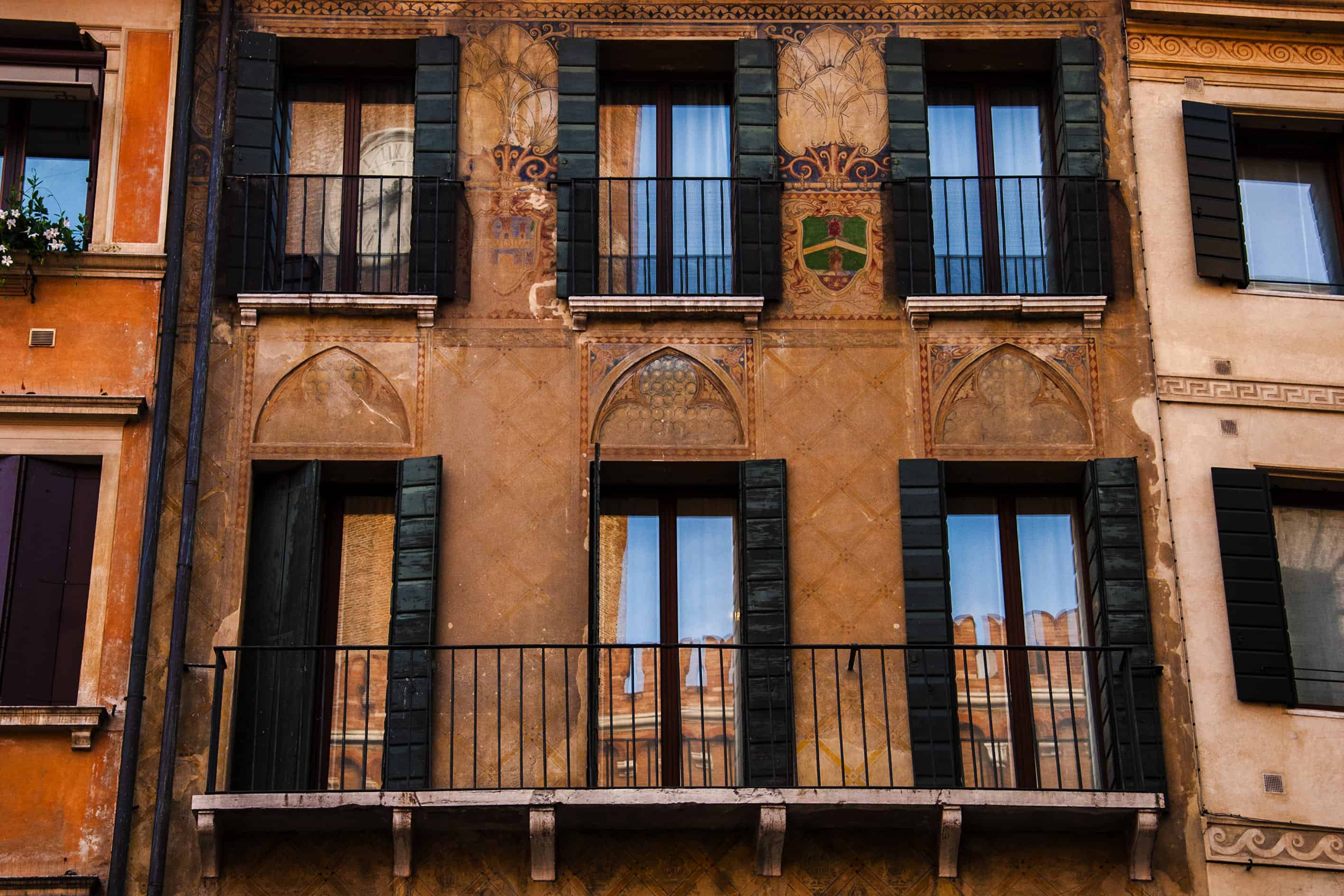
The Medieval Frescoes of Treviso You’ve Never Seen
My name is Igor Scomparin, and I am a licensed local guide based in the Veneto, working daily between Treviso and Venice. I am the owner of www.tourleadertreviso.com
and www.tourleadervenice.com
, two boutique travel projects created to reveal Northern Italy through details most visitors overlook.
When people think about medieval frescoes, they imagine Florence, Assisi, or Padua.
Almost no one thinks of Treviso.
And yet, Treviso preserves a quiet, fragmented, and deeply human collection of medieval frescoes—often hidden in plain sight, often passed without notice, and almost never explained.
This article explores the medieval frescoes of Treviso you’ve never seen—not because they are inaccessible, but because they require a different way of looking.
Why Treviso’s Medieval Frescoes Are Invisible to Most Visitors
Treviso does not present its medieval art loudly.
There are no long queues.
No single “masterpiece room.”
No dramatic lighting or signage.
Instead, frescoes appear:
On exterior walls
Inside modest churches
In former civic buildings
Partially erased by time
They are fragments, not spectacles—and that is precisely why they are authentic.
Treviso in the Middle Ages: A City of Trade and Faith
During the Middle Ages, Treviso was a strategic commercial city connected to Venice but firmly rooted inland. It was wealthy enough to commission art, but not wealthy enough to monumentalize it.
Art here was:
Functional
Didactic
Devotional
Frescoes were not created for tourists or collectors. They were meant to be seen by everyone, every day.
What Makes Medieval Frescoes Different from Renaissance Art
Understanding Treviso’s frescoes requires letting go of Renaissance expectations.
Medieval frescoes are:
Symbolic rather than realistic
Spiritual rather than anatomical
Narrative rather than decorative
Proportions are intentional. Perspective is secondary. Meaning matters more than beauty.
Once you understand this, Treviso’s frescoes become surprisingly powerful.
Hidden Frescoes on Private and Public Walls
One of the reasons Treviso’s medieval frescoes remain unseen is their location.
Unlike museum pieces, many are still where they were painted:
On house façades
On internal courtyards
On civic buildings now repurposed
Some are visible only at certain times of day, when light catches faded pigments just enough to reveal figures.
You don’t “visit” these frescoes.
You encounter them.
The Church of San Nicolò: More Than It Appears
From the outside, San Nicolò looks severe, almost austere.
Inside, however, the church preserves some of Treviso’s most significant medieval fresco cycles.
These works:
Tell biblical stories for the illiterate
Emphasize gesture and expression
Focus on moral instruction
They are not meant to impress. They are meant to teach and move.
Many visitors walk through without ever truly seeing them.
Fragments That Survived by Accident
Some frescoes survived not because they were protected—but because they were forgotten.
Over centuries:
Walls were plastered over
Buildings were modified
Art was hidden rather than destroyed
Ironically, neglect often preserved what restoration might have erased.
When these frescoes resurface, they feel like messages sent across time.
Color, Symbolism, and Meaning
Even in their faded state, medieval frescoes communicate clearly—if you know how to read them.
Common elements include:
Halos to indicate sanctity
Gesture over facial expression
Color symbolism (red for sacrifice, blue for heaven)
These paintings were visual theology, accessible to anyone who stood before them.
Why Treviso’s Frescoes Feel More Human
Unlike the idealized figures of later centuries, medieval frescoes in Treviso feel intimate.
Faces are:
Imperfect
Expressive
Sometimes almost naïve
They reflect a world where faith was lived daily, not idealized.
This humanity is what makes them so compelling today.
Why Tourists Walk Past Them
Most visitors:
Look for famous names
Expect labels and explanations
Move quickly between highlights
Treviso’s medieval frescoes demand the opposite:
Slowness
Curiosity
Context
Without guidance, they blend into the background.
How a Local Guide Changes Everything
When I walk with guests through Treviso, I often stop suddenly and say:
“Look up.”
That moment—when someone realizes a medieval fresco has been above them the whole time—is unforgettable.
Guidance doesn’t add facts.
It changes perception.
Preservation Without Exhibition
Treviso protects its frescoes quietly.
They are:
Integrated into living buildings
Rarely isolated
Treated as part of the city, not separate from it
This approach respects history without turning it into spectacle.
Why These Frescoes Matter Today
Treviso’s medieval frescoes remind us that art once belonged to everyone.
They were:
Public
Didactic
Spiritual
They did not ask for admiration.
They offered meaning.
In a world of curated experiences, this honesty feels radical.
Final Thoughts: Learn to See, Not Just Look
If you remember one thing from this article, remember this:
Treviso hides its art in plain sight.
The medieval frescoes you’ve never seen are not hidden behind doors.
They are waiting for you to slow down, lift your eyes, and pay attention.
Frequently Asked Questions
1. Are Treviso’s medieval frescoes accessible to the public?
Many are visible in churches and public spaces, though some are partially hidden or only visible from certain angles.
2. Why aren’t these frescoes better known?
Because Treviso never promoted them as attractions—they remained part of everyday life.
3. Do I need a guide to understand them?
Not strictly, but a guide provides essential context that transforms fragments into stories.
If you would like to explore Treviso’s medieval frescoes with a local guide, or design a culturally focused walk in Treviso or Venice, feel free to contact us at:
📧 info@tourleadertreviso.com
I’ll be happy to help you discover the layers of Treviso that most visitors never see