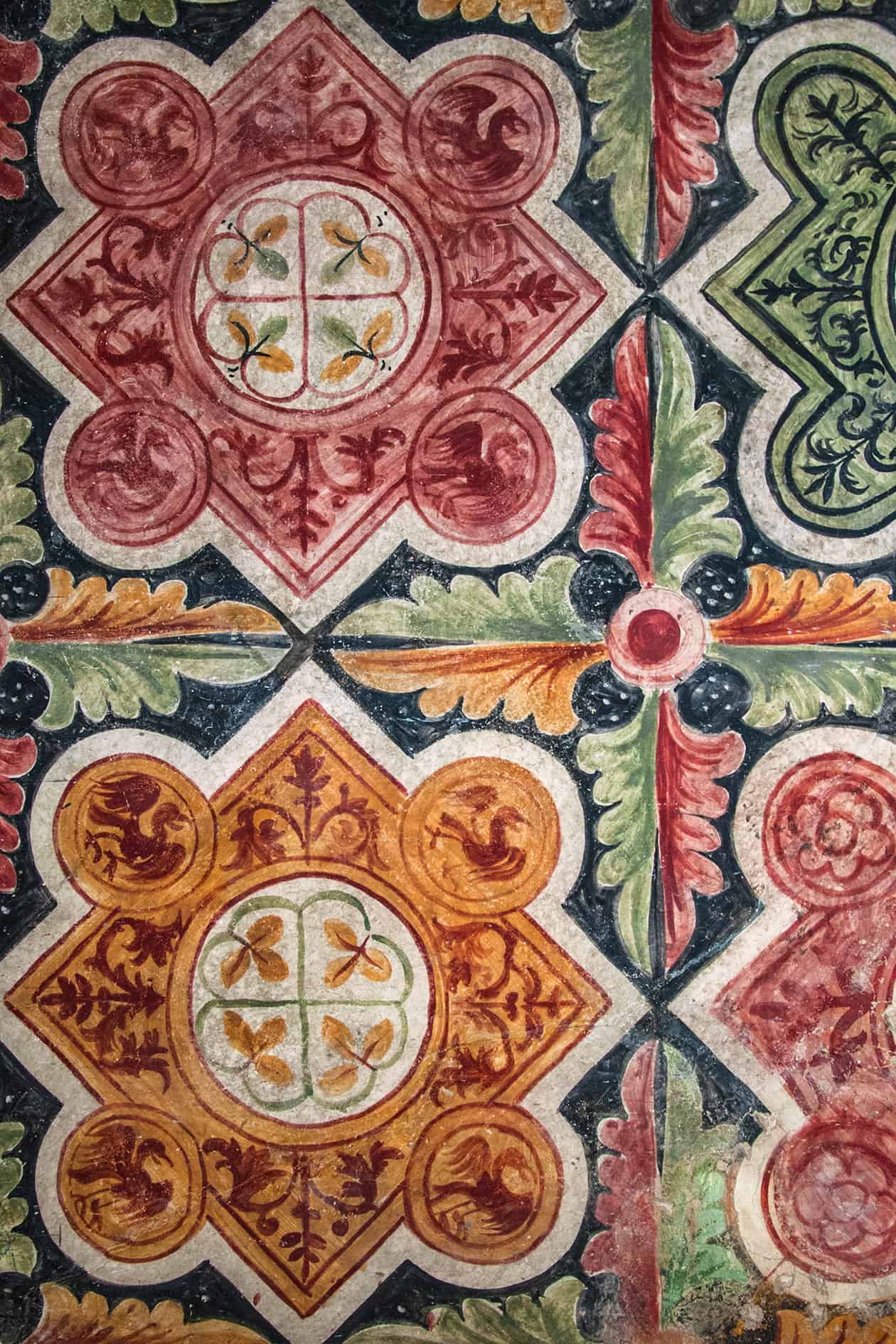
“The Secret History of Treviso’s Painted Houses”
My name is Igor Scomparin, and I am a licensed local guide based in the Veneto, working daily between Treviso and Venice. I am the owner of www.tourleadertreviso.com
and www.tourleadervenice.com
, two boutique travel projects created to help travelers discover Northern Italy through its lesser-known stories, everyday details, and authentic local life.
One of the most frequent—and most interesting—questions I receive while walking with guests through Treviso is this:
“Why are some houses painted like that?”
They notice them suddenly: faded frescoes, geometric patterns, mythological figures barely visible under centuries of weather. These are not museums. They are not landmarks. They are private homes.
And yet, they tell one of the most fascinating and least-explained stories in Treviso.
This article explores the secret history of Treviso’s painted houses, why they were created, what they once communicated, and why most visitors walk past them without ever realizing what they are seeing.
Treviso: A City That Once Spoke Through Its Walls
Before street numbers, before shop signs, before modern advertising, cities communicated visually.
In Treviso, façades were not neutral surfaces. They were:
Visual identifiers
Social statements
Decorative pride
Practical communication tools
During the Middle Ages and Renaissance, painted houses were common throughout Northern Italy. Treviso embraced this tradition deeply, turning walls into a shared urban language.
Paint, here, was not decoration alone—it was meaning.
Why Houses in Treviso Were Painted
There was never a single reason, and that complexity is exactly what makes them interesting.
Recognition Before Literacy
In a time when many people could not read, images helped identify homes, families, and workshops.
Social Status and Aspiration
Painted façades signaled prosperity, education, and refinement—without the cost of stone architecture.
Visual Illusion
Paint was used to imitate architectural elements:
Columns
Cornices
Window frames
This technique, known as trompe-l’œil, allowed modest houses to appear more prestigious.
Civic Pride
City authorities often encouraged façade decoration to enhance the beauty and order of the city.
Treviso believed that elegance belonged in daily life—not only in palaces.
Venetian Influence Without Venetian Excess
Treviso spent centuries under the rule of Venice, and the influence is visible—but never copied outright.
Venetian façades tended to be:
Monumental
Mythological
Designed to impress outsiders
Treviso’s painted houses, instead, were:
Domestic
Intimate
Understated
Made for neighbors
They spoke quietly, not theatrically.
Common Motifs Still Visible Today
If you know where to look, Treviso’s painted houses start to reveal themselves.
Geometric Frames
Painted borders around windows and doors created symmetry and order.
False Architecture
Illusionistic columns and cornices gave depth to flat walls.
Heraldic Symbols
Family crests or abstract emblems marked ownership and lineage.
Mythological or Allegorical Figures
Less common, but still present—often faded and fragmented.
These decorations were never random. Every element had intention.
Why So Many Paintings Have Faded
Visitors often ask why these paintings are so worn.
The answer is simple—and very Trevigiano.
Paint was not meant to last forever
Houses were lived in, altered, repaired
New fashions replaced old ones
Weather did the rest
Unlike frescoes inside churches, these paintings were exposed to time—and Treviso accepted that.
Fading was not failure. It was part of life.
Where Tourists Usually Miss Them
Most visitors stick to:
Main squares
Direct routes between landmarks
Restaurant-lined streets
But Treviso’s painted houses often hide:
One street away from main paths
Along canals
In residential zones
This is why guided walking—not rushing—is essential here.
Painted Houses and the Canals
Many painted façades appear near canals, where:
Trade flourished
Goods arrived
Families prospered
Waterways were economic lifelines, and houses along them often reflected that status through decoration.
Walking slowly along canals reveals layers of history most people never notice.
Why Treviso Preserves Them Quietly
Treviso does not spotlight its painted houses with signs or plaques.
This is intentional.
They are:
Part of daily life
Not museum objects
Still private property
The city protects them without turning them into attractions. This restraint is very Trevigiano.
Painted Houses as a Reflection of Treviso’s Character
Treviso does not show off.
It rewards attention.
It reveals itself slowly.
It values subtlety over spectacle.
Painted houses reflect exactly that mentality—present, but never demanding attention.
Discovering Painted Houses With a Local Guide
As a local guide, I often include painted houses in my walking tours—not as isolated facts, but as part of a living city.
Guests are often surprised when they realize:
They walked past them already
They never noticed them
They suddenly see the city differently
This shift—from sightseeing to understanding—is what I aim for through www.tourleadertreviso.com
and www.tourleadervenice.com
.
Final Thoughts: Look Up, Slow Down
If you remember one thing from this article, remember this:
Treviso’s history is written on its walls—but only for those who slow down enough to read it.
The painted houses are not hidden.
They are simply quiet.
Frequently Asked Questions
1. Are Treviso’s painted houses protected?
Yes. Many are protected by local heritage regulations, even if they are not formally labeled.
2. Can I enter any of these houses?
No. They are private residences and should be respected as such.
3. Are there still painted houses being created today?
Rarely. The tradition largely belongs to the past, which makes the surviving examples even more precious.
If you would like to explore Treviso’s painted houses with a local guide, or plan a deeper cultural walk in Treviso or Venice, feel free to contact us at:
📧 info@tourleadertreviso.com
I’ll be happy to help you see Treviso the way locals do—one wall at a time.