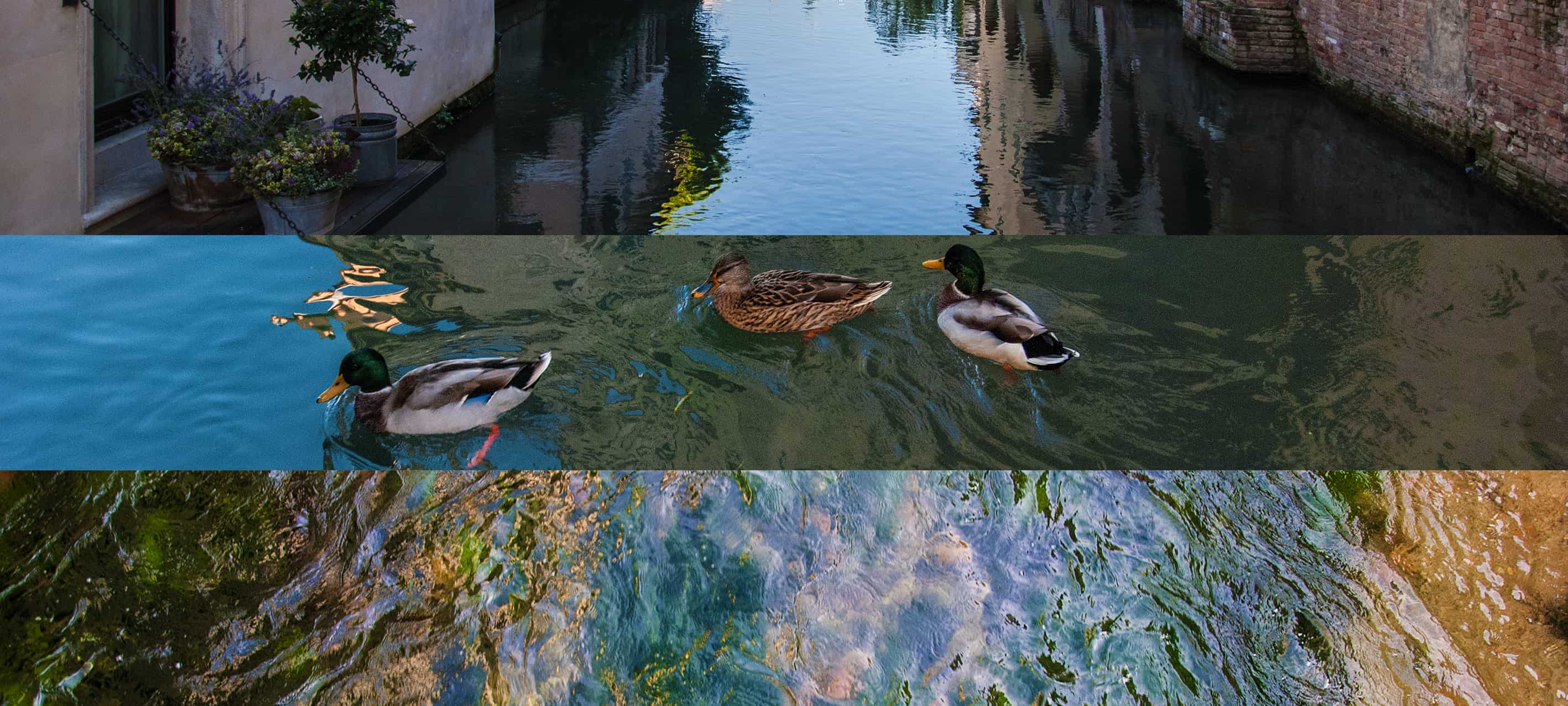
The Sile River: Treviso’s Natural Treasure
My name is Igor Scomparin, and I am a licensed local guide based in the Veneto, working daily between Treviso and Venice. I am the owner of www.tourleadertreviso.com
and www.tourleadervenice.com
, two boutique travel projects dedicated to helping travelers understand Northern Italy through its landscapes, rhythms, and quiet, everyday wonders.
If Treviso has a soul outside its walls, it flows gently just beyond them.
That soul is the Sile—a river so calm, so clear, and so integrated into daily life that many visitors underestimate it completely.
This article explains why the Sile River is Treviso’s natural treasure, how locals use it, why it matters ecologically and historically, and how to experience it without turning it into an attraction.
A River Unlike Any Other in Italy
The Sile is not dramatic.
It doesn’t rush.
It doesn’t roar.
It doesn’t carve cliffs or demand attention.
Instead, it glides.
The Sile is Italy’s longest spring-fed river, born not from mountains but from underground resurgences that keep its water:
Clear
Cold
Constant
This unique origin defines everything about it—from biodiversity to human use.
Why the Sile Matters to Treviso
Treviso exists because of water.
The Sile and its branches:
Supplied fresh water
Powered mills
Irrigated fields
Enabled trade
While canals shape the city visually, the Sile sustains it quietly, just outside the historic center.
It has always been a working river, not a decorative one.
From Springs to Lagoon: A Living Corridor
The Sile flows from inland Veneto toward the Venetian Lagoon, creating a continuous ecological corridor.
Along its path, you’ll find:
Wetlands
Meadows
Forested banks
Agricultural land
This continuity allows wildlife to thrive and landscapes to remain connected—rare in heavily developed regions.
The Sile as a Protected Environment
Much of the river is protected within the Parco Naturale Regionale del Fiume Sile.
This protection ensures:
Controlled development
Preservation of habitats
Respect for slow tourism
You won’t find resorts or loud infrastructure here—and that’s intentional.
How Locals Use the Sile
Locals don’t “visit” the Sile.
They:
Walk along it
Cycle beside it
Jog quietly
Sit and think
The river is part of routine, not a special outing.
You’ll notice people:
Alone
With dogs
With time
The Sile is where Treviso breathes.
Walking and Cycling: The Most Natural Way to Experience It
Paths along the Sile are flat, green, and continuous.
They are ideal for:
Slow walks
Easy cycling
Long conversations
There is no rush here. The river sets the pace.
If you feel like you’re “doing” something, you’re probably moving too fast.
Wildlife You Might Not Expect
Because of its clean water and protected banks, the Sile supports surprising biodiversity.
You may see:
Herons
Ducks
Swans
Fish visible beneath the surface
Nature here is not staged. It simply exists—if you pay attention.
The Color and Sound of the Sile
The Sile changes subtly with light and season.
In the morning:
Pale reflections
Mist above water
In the afternoon:
Deep greens
Gentle movement
The sound is constant but soft—water flowing just enough to remind you it’s alive.
This sensory calm is rare.
The Sile and Treviso’s Food Culture
The river nourished:
Fields
Crops
Livestock
This is one reason Treviso’s cuisine feels grounded and seasonal.
Water here supports agriculture without dominating it—another example of balance.
Why Tourists Often Miss the Sile
Most visitors:
Focus on the historic center
Follow monument routes
Don’t leave the walls
The Sile requires:
Extra steps
Extra time
A willingness to wander
It doesn’t announce itself. It waits.
The Best Time to Be Along the River
There is no wrong season—but different moods.
Spring: renewal and birdsong
Summer: shade and cool air
Autumn: color and silence
Winter: clarity and reflection
Locals walk here year-round.
Respecting the River
The Sile is protected because people treat it with respect.
Local rules are unspoken but clear:
No litter
No loud music
No disturbance of wildlife
You are a guest in a living system.
Why the Sile Reflects Treviso Perfectly
Treviso is:
Calm
Balanced
Understated
Deeply livable
So is the Sile.
The river doesn’t try to impress.
It simply sustains.
That parallel is not accidental.
Experiencing the Sile with a Local Guide
As a local guide, I include the Sile in walks not as a highlight—but as a pause.
Guests often say:
“This is where everything slowed down.”
That’s the point.
Understanding Treviso means stepping outside it—just far enough to see how nature supports the city quietly.
Final Thoughts: A Treasure That Doesn’t Shine
If you remember one thing from this article, remember this:
The Sile is a treasure because it doesn’t ask to be one.
It flows.
It sustains.
It waits.
And if you give it time, it gives Treviso meaning beyond stone and streets.
Frequently Asked Questions
1. Can I swim in the Sile River?
Swimming is generally not encouraged due to environmental protection and safety concerns.
2. Is the Sile suitable for families?
Yes. Paths are flat, calm, and ideal for all ages.
3. How far is the Sile from Treviso’s historic center?
Just minutes on foot or by bike—it begins almost immediately outside the walls.
If you would like to explore the Sile River with a local guide, combine nature and city walking, or plan a slow itinerary in Treviso or Venice, feel free to contact us at:
📧 info@tourleadertreviso.com
I’ll be happy to help you discover Treviso where it becomes quiet—and truly itself.